Small Ruminant Monthly Newsletter
April 2025 |
|
|
 |
|
Spring Edition Newsletter |
|
In this newsletter you will find an article titled "Spring Into action For Small Ruminant Health". This article has some information and tips on what you should do when preparing for spring weather. Something else to think about is taking soil samples. This is very important when determining what nutrients your plants need in order to succeed.
If you have any questions or comments please feel free to call the office and speak with the Livestock Agent, Skyler Murray or email her at skyler_murray@ncsu.edu. |
|
|
|
|
|
|
|
Spring Into Action for Small Ruminant Health |
|
|
|
Spring has arrived and it’s an important time to focus on the health and well-being of your small ruminants, including sheep and goats. As the weather warms and the pastures begin to green up, there are several key management steps that will help ensure your herd stays healthy and productive throughout the season.
1. Pasture Management
Spring pastures provide fresh forage, but it's important to manage them properly to avoid issues like overgrazing and parasite buildup.
- Rotate pastures – Begin rotational grazing to prevent overgrazing and give grass time to recover. Divide your pasture into sections and move animals every few days.
- Monitor forage quality – Early spring grass can be high in moisture but low in fiber. Supplement with hay or other roughage if needed to keep their digestive systems balanced.
- Avoid grazing on wet ground – Wet pastures are prone to compaction and damage, which can reduce forage growth later in the season.
2. Parasite Control
Spring brings warmer weather and moisture, which creates ideal conditions for parasites like barber pole worms.
- FAMACHA scoring – Regularly check your animals’ eyelids using the FAMACHA system to monitor anemia caused by parasites.
- Deworming – Only treat animals that show signs of parasitic infection to prevent resistance buildup. Use a targeted approach based on fecal egg counts if possible.
- Pasture rotation – Moving animals to fresh pasture helps reduce parasite load by breaking the lifecycle of the worms.
3. Nutrition and Supplementation
Fresh grass in spring can lack key minerals and nutrients, so supplementation may be necessary.
- Provide loose minerals – Offer free-choice loose minerals designed for sheep or goats. Avoid copper supplements for sheep, as they can be toxic.
- Monitor body condition – Keep an eye on your animals' body condition and adjust feeding as needed to maintain healthy weight.
- Water availability – Ensure clean, fresh water is always available, as animals will drink more in warmer weather.
4. Hoof Care
Spring rains and mud can lead to hoof problems, including foot rot.
- Trim hooves regularly – Trimming hooves helps prevent overgrowth and reduces the risk of infection.
- Watch for lameness – If you notice any limping, check for signs of foot rot or injury and treat promptly.
- Keep barn areas dry – Provide a dry, well-ventilated area for animals to reduce time spent in wet or muddy conditions.
5. Breeding and Kidding/Lambing Preparation
If you’re planning for spring lambing or kidding, now is the time to prepare.
- Create a clean, dry birthing area – Ensure you have a sheltered space ready for birthing.
- Stock up on supplies – Keep essential supplies like iodine, towels, and colostrum replacer on hand.
- Monitor pregnant animals – Watch for signs of labor and provide assistance if needed.
6. Health and Vaccination
Spring is a good time to catch up on routine health care.
- CD&T vaccinations – Administer CD&T (Clostridium perfringens types C & D and tetanus) vaccines to protect against enterotoxemia and tetanus.
- Check for signs of illness – Monitor for respiratory issues, diarrhea, or poor body condition, which could indicate health problems.
- Consult your vet – If you notice any concerning signs, contact your veterinarian for advice.
7. Predator Control
Warmer weather can also bring increased predator activity.
- Secure fencing – Check fencing for gaps or weak spots and repair as needed.
- Guard animals – Consider using livestock guardian dogs or other protective animals to deter predators.
By staying on top of these spring management tasks, you’ll help ensure your small ruminants stay healthy and productive throughout the season. Proactive care now will pay off with strong animals and healthy pastures all year long.
|
|
|
|
|
|
|
|
|
|
 |
|
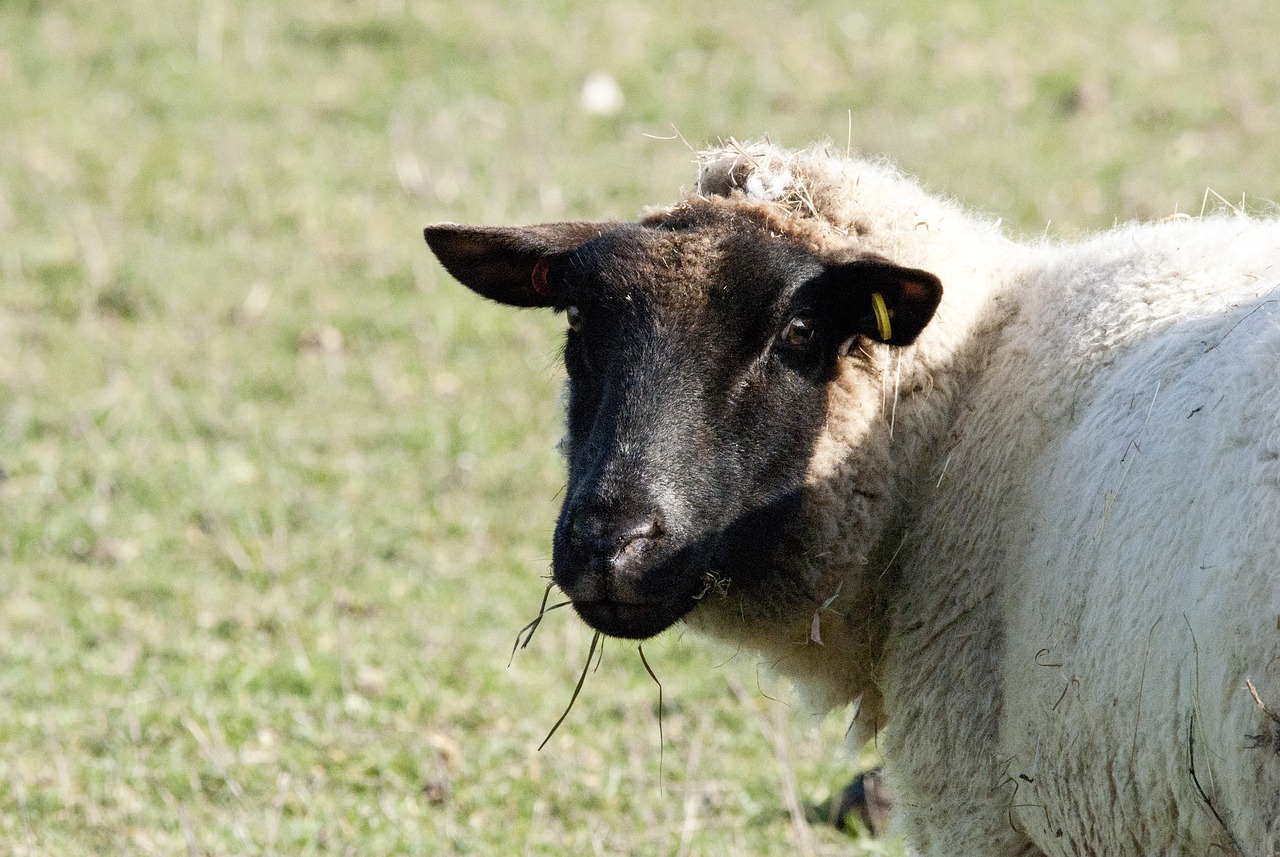
Southdown Sheep
It is recognized that the appearance of a sheep is important but only as it relates to maximum productivity, profits and breed characteristics. Therefore, the Hampshire Standards are made to include mainly those traits that research has found to make them more productive. Major emphasis, then is put on such traits as multiple births, weight per age, face covering, refinement about the head and shoulders, muscling and freedom from unsoundness.
To learn more about Hampshire sheep click here.
Photo from: Oklahoma State University |
|
 |
|
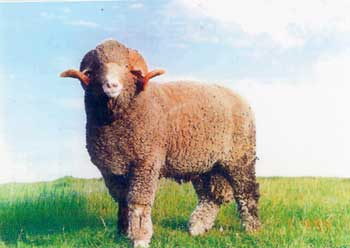
Rambouillet Sheep
Mature Rambouillet rams weigh between 250-300 lbs (113-135 kg), ewes range from 150-200 pounds (68-90 kg). Mature ewes will have a fleece weigh of 8-18 lbs (3.6-8.1 kg) with a yield of 35-55%. The fleece staple length will vary from two to four inches (5-10 cm) and range in fiber diameter from 18.5-24.5 microns or 60-80 for the numerical count.
To learn more about Rambouillet Sheep click here.
Photo From: Oklahoma State University
|
|
|
|
|
 |
|
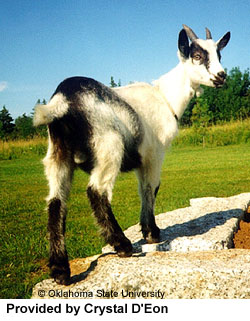
Alpine Goat
Size and production rather than color pattern have been stressed in the development of the French-Alpine. No distinct color has been established, and it may range from pure white through shades of fawn, gray, brown, black, red, bluff, piebald, or various shadings or combinations of these colors. Both sexes are generally short haired, but bucks usually have a roach of long hair along the spine. The beard of males is also quite pronounced. The ears in the Alpine should be of medium size, fine textured, and preferably erect.
To learn more about Alpine Goats click here.
Photo From: Oklahoma State University
|
|
 |
|
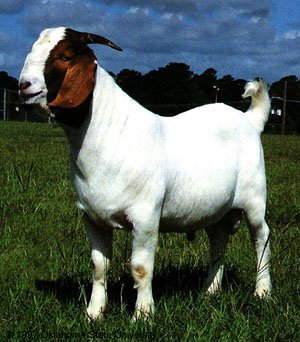
Boer Goat
The Boer goat is primarily a meat goat with several adaptations to the region in which it was developed. It is a horned breed with lop ears and showing a variety of color patterns. The Boer goat is being used very effectively in South Africa in combination with cattle due to its browsing ability and limited impact on the grass cover. Producing weaning rates in excess of 160% the Boer goat doe is a low maintenance animal that has sufficient milk to rear a kid that is early maturing. The mature Boer Goat buck weighs between 110-135 kg (~240-300 lbs) and does between 90 and 100 kg (~200-225 lbs).
To learn more about Boer Goats click here.
Photo From: Oklahoma State University
|
|
|
|
|
|
|
|
|
Extra Information & Articles |
|
|
|
Body Condition Scoring
This article was written by the University of Florida. It talks about the importance of looking at the Body Condition Score. It also has great pictures that represent what thin and obese look like on the scale. Something interesting about it, is that it goes into detail of how it would feel if you was handling the animal as well.
|
| LEARN MORE |
|
|
|
|
|
FAMACHA Information
The NC Extension website has more information on parasite control, and educational videos on how to check your FAMACHA score. The website has great information on wormers, as well as Factsheets for external parasites. |
| LEARN MORE |
|
|
|
|
Soil Testing Kits |
|
This article was written by an NC Cooperative Extension Employee. This is a well written article, that covers a variety of helpful topics from how and where do I need to take soil samples to how to interpret the report whenever you get it back. |
| LEARN MORE |
|
|
Sheep Care Guide |
|
This PDF has great information covering a variety of topics for sheep care. |
| LEARN MORE |
|
|
|
|
|
|
|
|
 |
|
|
|
NC State University and N.C. A&T State University work in tandem, along with federal, state and local governments, to form a strategic partnership called N.C. Cooperative Extension.
This institution is an equal opportunity provider.
N.C. Cooperative Extension - McDowell County Center, 60 E Court St, Marion, NC 28752, United States
Click here to unsubscribe |
|
|
|
|