|
As colder weather arrives and the production year comes to a close, winter is an important time for producers to focus on preparation, evaluation, and planning. While field activities may slow, decisions made during this period can have a significant impact on operational efficiency, sustainability, and profitability in the coming year.
Preparing for Cold Weather Conditions
Winter conditions can place added stress on livestock, equipment, and infrastructure. Taking steps now can help prevent disruptions and reduce risk.
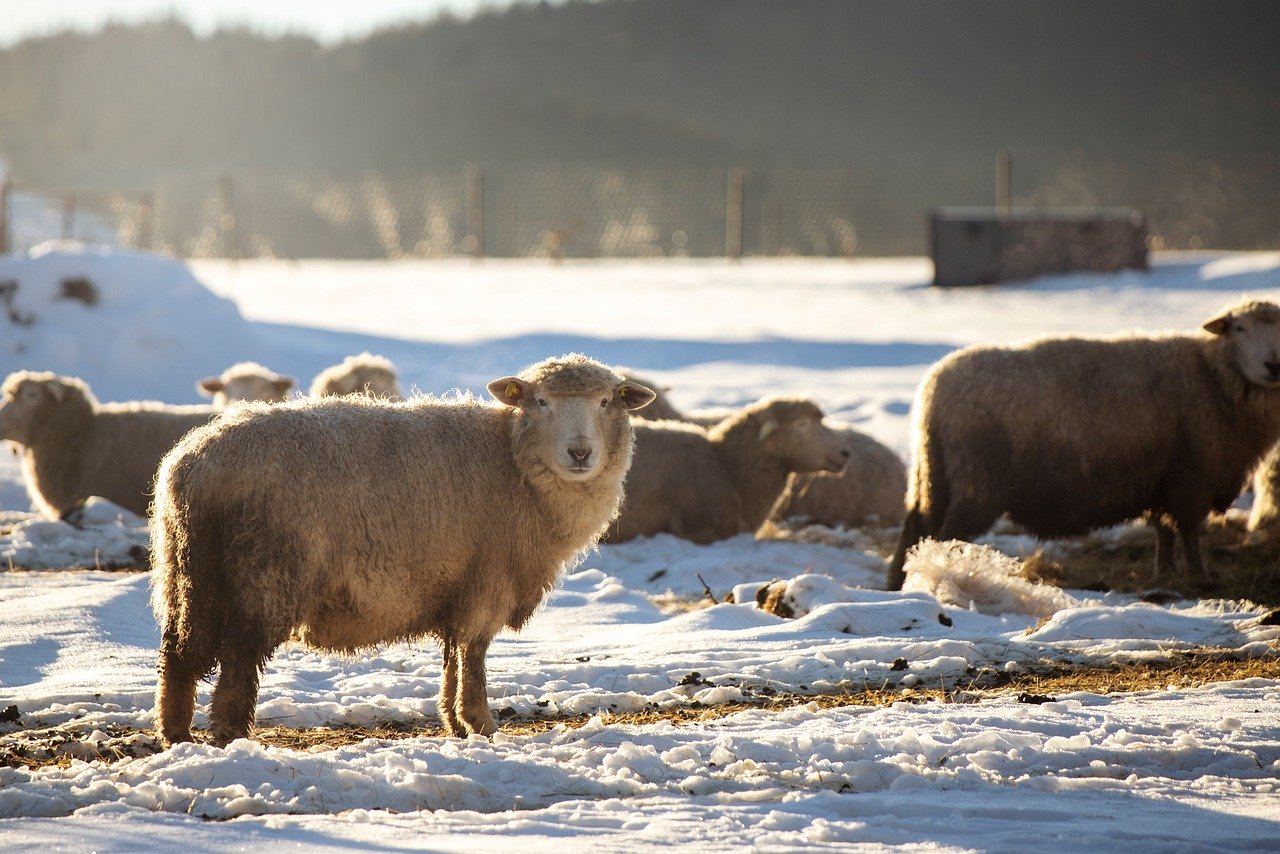
For livestock operations, maintaining access to clean, unfrozen water is essential. Producers should routinely check water systems, insulate exposed lines, and ensure tank heaters and pumps are functioning properly. Adequate shelter, wind protection, and dry bedding can help reduce cold stress and support animal health and performance throughout the winter. Nutritional needs may increase as temperatures drop, making it important to review feed inventories and rations to ensure adequate energy and intake.
For equipment and facilities, winterizing is recommended before severe weather occurs. This includes protecting plumbing from freezing, servicing generators, monitoring fuel supplies, and completing routine maintenance on tractors and feeding equipment. Performing maintenance during the off-season can help minimize downtime during critical periods later in the year.
Reviewing the Past Production Year
The end of the year provides an opportunity to evaluate the operation and identify areas for improvement.
Producers are encouraged to review production records, input costs, and overall performance. Assessing feed efficiency, labor use, equipment costs, and pasture or crop productivity can help identify trends and areas where adjustments may improve efficiency. Reviewing insurance coverage, disaster documentation, and participation in assistance or cost-share programs is also recommended prior to year-end deadlines.
Consulting with financial advisors, lenders, or Extension professionals during this time can support informed decision-making and long-term planning.
Soil, Pasture, and Resource Management
Winter planning is an important component of long-term resource stewardship.
Soil testing, pasture assessments, and forage planning can help guide nutrient management and grazing strategies for the upcoming season. Identifying erosion-prone areas, compacted soils, or underperforming pastures allows producers to plan corrective actions, such as cover crops, improved grazing management, or infrastructure adjustments.
For operations relying on stored feed, evaluating forage quality and storage methods can help reduce waste and improve feed utilization, contributing to both cost savings and environmental stewardship.
Planning for the Upcoming Year
As producers begin planning for the next production year, considering efficiency and sustainability can strengthen overall operation resilience.
Areas to consider include:
-
Grazing and pasture management strategies
-
Equipment or infrastructure improvements
-
Labor efficiency and workflow adjustments
-
Energy use and backup power planning
-
Participation in conservation or cost-share programs
-
Risk management related to weather and market variability
Reflecting on challenges and successes from the past year can help guide more effective planning moving forward.
Education and Technical Support
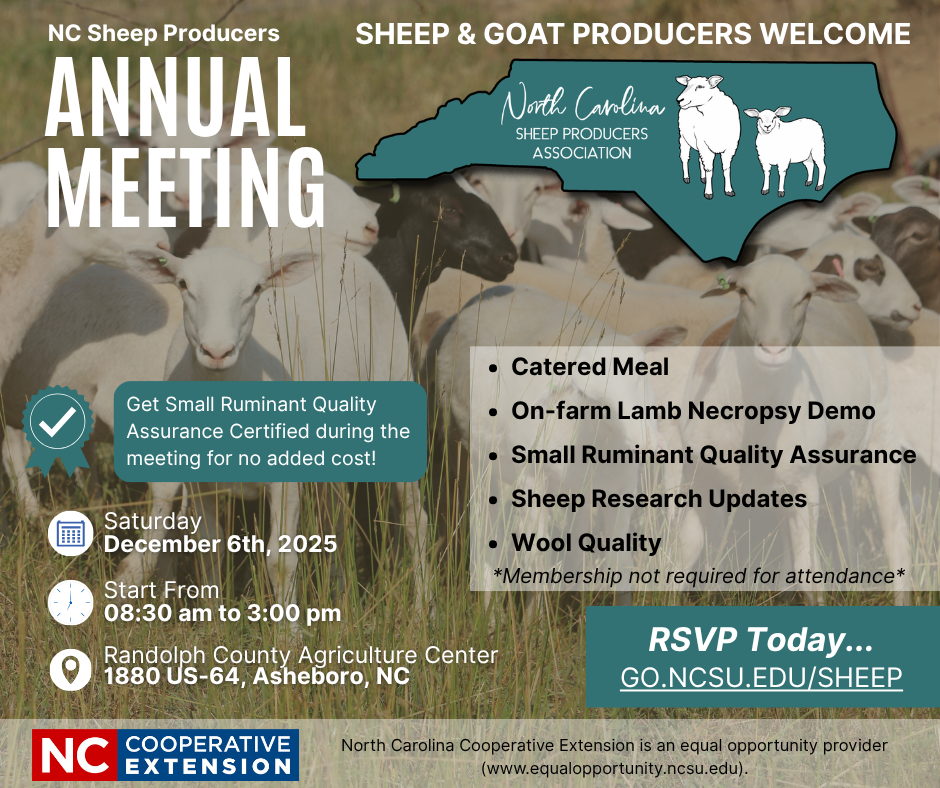
Winter is often a good time to participate in educational programs and training opportunities. Extension workshops, producer meetings, and technical assistance programs can provide updated information on management practices, regulatory changes, and new technologies.
Staying engaged with Extension services and agricultural partners can help producers access resources, strengthen networks, and make informed management decisions.
Moving Forward
Although winter may bring a slower pace of production activity, it is a critical period for preparation and planning. By focusing on winter readiness, evaluating past performance, and setting clear goals for the year ahead, producers can improve efficiency, support long-term sustainability, and enhance profitability.
For more information, contact the McDowell County Cooperative Extension Office at (828) 652-8104.
|