Month-by-month lists of common plant diseases, pests, and other problems you may encounter in North Carolina yards and gardens. Straight from our PDIC (Plant Disease & Insect Clinic) entomologists and pathologists!
What You Should Be Doing for Your Lawn: March–May
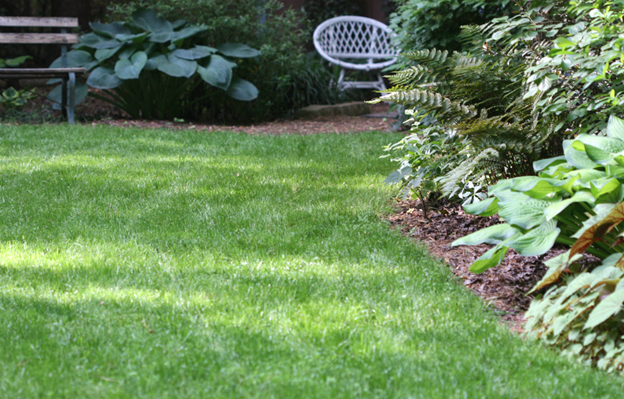
Spring is the time when cool-season lawns—especially tall fescue—begin to grow more actively. Here are the key tasks to keep your turf healthy as we move into the warmer months.
Mowing:
Maintain a height of 2.5 to 3.5 inches.
Mow frequently enough so that you’re never removing more than one-third of the grass blade at a time—usually every 5–7 days in late spring.
Leave grass clippings on the lawn whenever possible. They break down quickly and can supply up to 25% of your lawn’s fertilizer needs.
If heavy rain or rapid growth causes excess clippings, collect and use them as mulch—never bag them for the landfill.
Fertilization:
Fertilize only as needed to maintain color or help turf recover from stress (pests, foot traffic, or early disease).
If applying fertilizer, aim for 1/5 to 1/2 lb of nitrogen per 1,000 sq ft, with lighter rates recommended after March 15.
Watering:
Tall fescue needs about 1 inch of water per week, applied gradually rather than all at once.
Look for signs your lawn needs irrigation: dark bluish-gray patches and wilted, folded, or curled leaves.
Water deeply to moisten soil 4–6 inches down. Use a screwdriver or soil probe to check moisture.
Sandy soils: water more often (about ½ inch every 3 days).
Clay soils: water until runoff begins, pause to let it soak in, then resume.
Aim to water between 2 a.m. and 8 a.m. to reduce disease issues.
Weed Control:
Apply preemergence herbicides in early March to prevent crabgrass, goosegrass, and foxtail.
Timing is earlier in the Piedmont and coastal regions.
Always follow label instructions for safe and effective use.
Insect Control:
White grubs may be present now, but spring treatments are not effective.
Note any problem areas and plan for preventive treatments in late spring or early summer next year.
Treatment timing varies by grub species and should coincide with peak adult activity.
Aeration:
Wait until fall. Spring aeration is not recommended for tall fescue lawns.
Thatch Removal:
Generally not necessary for tall fescue, which rarely develops significant thatch.
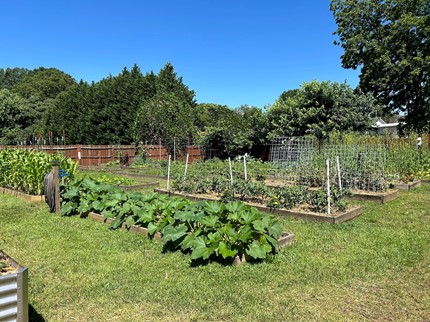
If you don’t know already, Alexander County is home to the Taylorsville Community Garden! If you are interested in renting a bed, they are $25 per bed for the ENTIRE SEASON! Any additional bed is $10. That is a great deal! Stop by our office to claim a bed.
Arbor Day! - March 20th
Arbor Day is all about giving thanks to your trees. There are many ways you can celebrate your trees. Here are a few ideas:
Pick up litter. The trees clean the air for us. Let’s clean up the ground for them.
Get outside. You can’t show your gratitude to trees from indoors. Get outside and spend time in nature.
Plant a tree! What better way to celebrate our trees than planting one? Learn more about how to best plant trees with our reforestation page.
Learn tree identification. Learn what trees are around you and their individual benefits. Check out our new tree identification resource helping you identify 21 of North Carolina’s most common trees.
Understand invasive species. You can protect trees by understanding invasive species that harm them and utilizing best practices to avoid further spread. Learn more about invasive species on our forest health page.
Manage your woodlots. The best way to have healthy trees is by learning forest management. Discover how to manage your forestland with our forest management page.
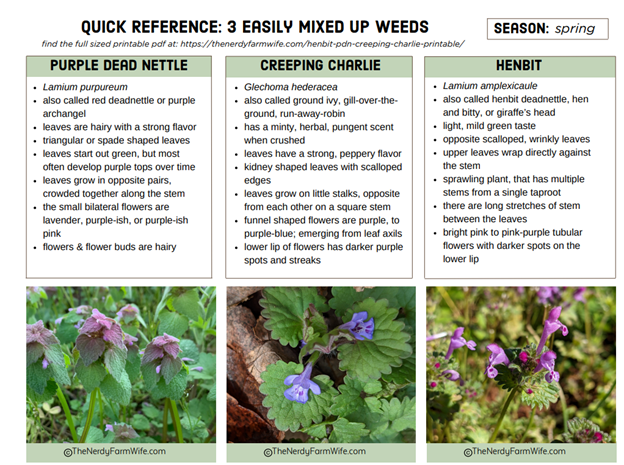
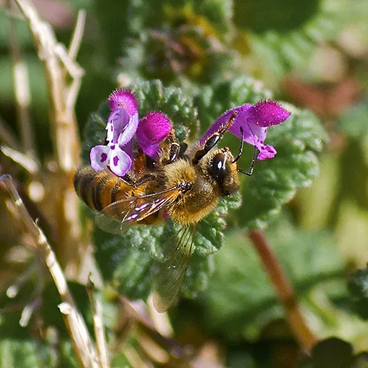
Spring Chores in the Pollinator Garden - Debbie Roos - NC Cooperative Extension Check out this great article written by a fellow Extension Agent on what things you need to be doing in the garden - specifically a pollinator garden! She is also an amazing resource on anything and everything pollinator gardening. Check out the Top 25 Plants for Pollinators for North Carolina. This list is the best bang for your buck when you are trying to figure out what to plant for pollinators to help them in each season! photo: Honey bee on purple deadnettle_Ron Guest_CC BY-NC-ND 2.0_Flick
Upcoming Events:
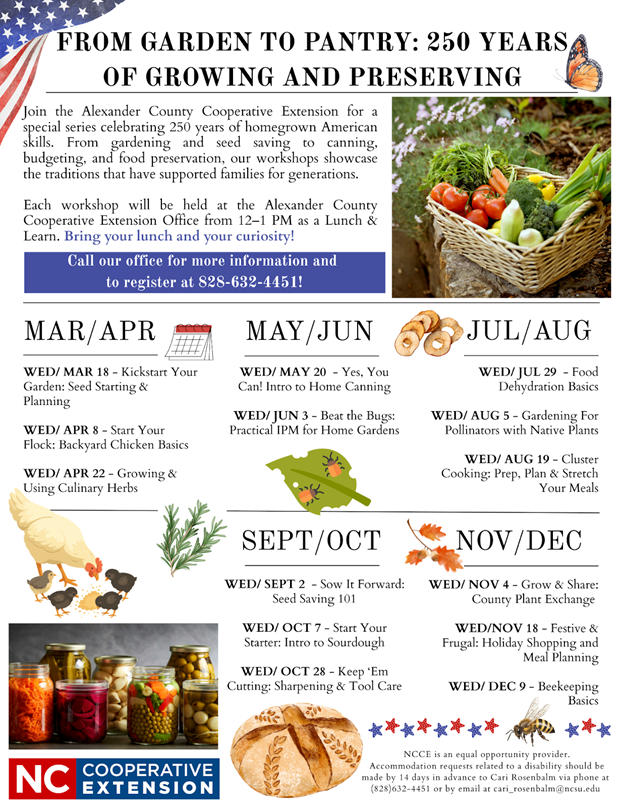
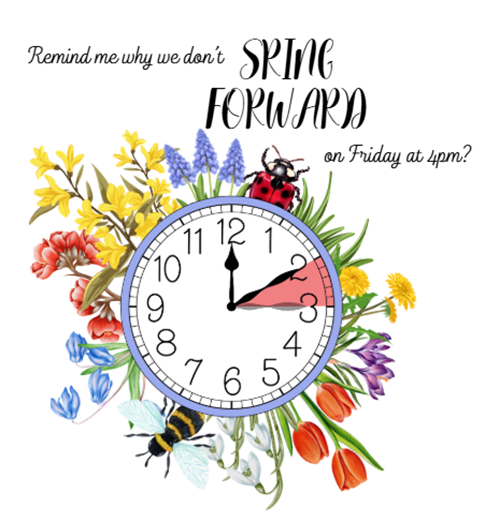
3/5-6 @ 8am - 5 p.m. - Small Fruit Plant Sale Pickup!! 3/8 - Spring Forward! 3/9 @ 7pm - Beekeepers Meeting 3/11 @ 9am - 12 p.m. - Respirator Fit Testing 3/12 @ 4pm - 4-H Garden Club 3/17 - St. Patrick’s Day 🍀🪙 3/18 @ 12-1 p.m. - Lunch & Learn Series → 🌱Kickstart Your Garden! - Seed Starting and Planning (From Garden to Pantry: 250 Years of Growing and Preserving) 3/20 - NC Arbor Day (go plant a tree!)
NC State University and N.C. A&T State University work in tandem, along with federal, state and local governments, to form a strategic partnership called N.C. Cooperative Extension.