|
|
|
|
|
|
|
|
|
|
|
|
|
|
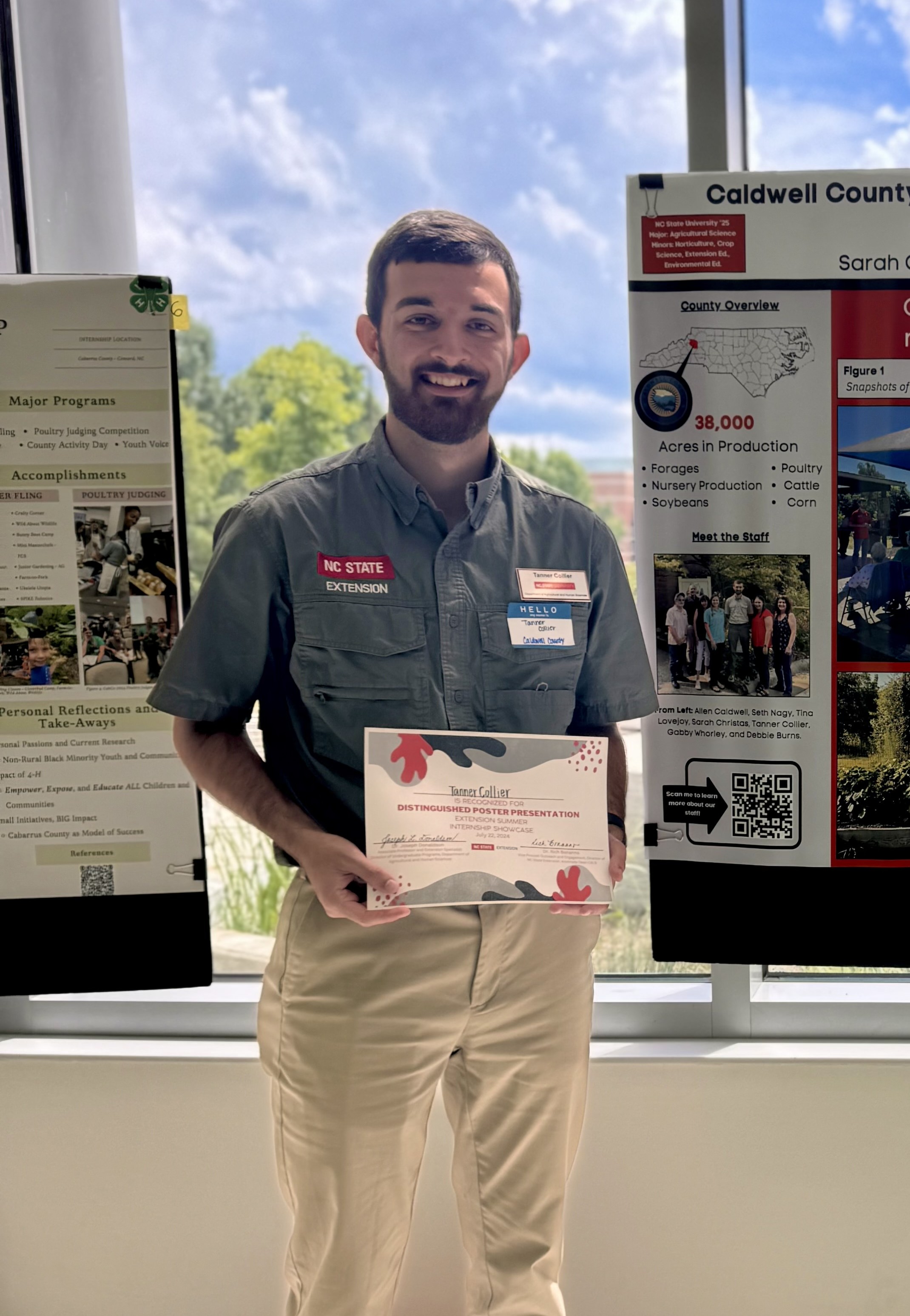
Welcome to N.C. Cooperative Extension, Burke Center's new: Consumer Horticulture Extension Agent!!
Meet Tanner Collier, he is from Lenoir, North Carolina. Tanner graduated from NC State with a Bachelor's degree in Agricultural Science with minors in Horticulture, Crop Science, and Extension Education. During his time at NC State, he had the opportunity to gain experience in different fields of agriculture through working at a greenhouse and nursery, The Biltmore Estate, and with NC Cooperative Extension. When not working, he likes to be outside hiking, fishing, swimming, and spending time with his family.
"I am excited to join the Burke County Cooperative Extension team and serve the Burke County community."
|
|
|
|
|
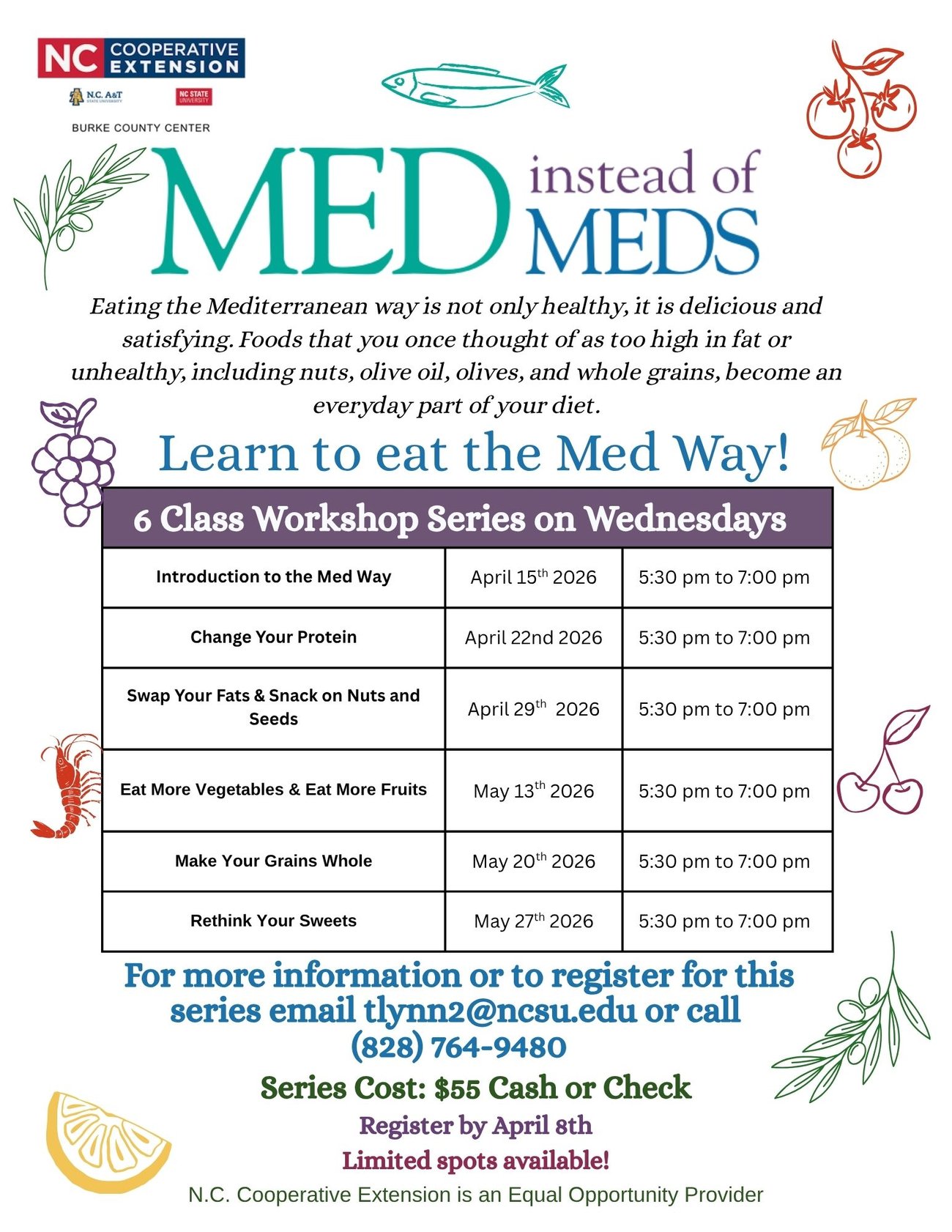
Med Instead of Meds: Classes begin April 15-May 27th
"Med Instead of Meds" is a six-week workshop series starting in April designed to help participants explore the delicious and healthful principles of the Mediterranean eating pattern. Through weekly sessions, attendees will learn practical ways to incorporate more whole grains, fruits, vegetables, healthy fats, and lean proteins into everyday meals for better long-term health.
|
|
|
|
|
|
|
|
A Meet and Greet will be held on Tuesday, April 7, 2026 at the Burke County Agricultural Building. You will have the chance to meet Taylor Lynn, Family and Consumer Sciences Agent. She joined our staff in January this year. In addition, we will be welcoming our new Consumer Horticulture Agent, Tanner Collier.
|
|
|
|
|
Understanding Lime
Damon Pollard, Extension Agent, Livestock
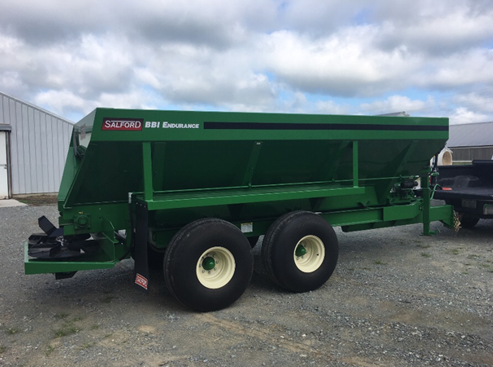
When lime and fertilizers are applied to soils, the onset of many chemical reactions takes place. Some occur instantly, and others take months to occur. These chemical reactions have a major influence on how efficiently lime and fertilizers are utilized by growing plants, when they should be applied, and pronounce the economic returns from their usage.
By understanding the nature of these chemical reactions, in relationship to soils, we can determine how to use lime, and fertilizer
as well, to our benefit. Surface area of soils exposed to contact with lime and fertilizer
is key to making the most of soil amendments. The amount of clay present in a given soil, largely determines the surface area available. Most of a soil's potentially reactive surface area is made up of clay particles, and clay particles per given volume, have more surface area than sand , silt or loam. The mineral forms of individual soil particles and the extent to which these particles have been coated with layers of oxides and
organic materials, also affect the total soil reaction. All clay particles in soil have a negative net electrical charge(-). With this negative charge, clay particles will react with components of lime, and fertilizer that dissolve into soil as positively(+) charged
particles, or cations, when added to the soil. Lime particles dissolve to release positively charged calcium( Ca++), or magnesium(Mg++) in the case of dolomitic limestone. These positively charged particles, or cations, are attracted to the negatively charged particles present in soils. This process occurs when lime is applied to soil, and it reacts with soil moisture to dissolve. The rate at which lime dissolves, releasing these particles, is directly related to how fine the limestone is ground, and the chemical form of the limestone. Calcium oxide is burned lime, and calcium hydroxide is hydrated lime. These forms of limestone react much quicker in the soil, than do calcitic, or dolomitic limestones, because they are more soluble in water. Calcium or magnesium particles are attracted to and held captive by clay particles, after lime dissolves in soil, thus neutralizing soil acidity, and raising soil pH. Due to this captivity, lime does not move downward in soils very rapidly, especially in our clay dominated soil profiles. For this reason, lime can be applied anytime in Burke county without any losses from soil leaching. It remains a good idea, however, to apply it well enough in advance to adequately react with the soil, and reduce acidity, prior to planting or establishment.
|
|
|
|
|
Growing Together: Head, Heart, Hands, and Health!
Nicki Carpenter, Extension Agent, 4-H Youth Development
Spring is here and our 4-H calendar is blooming with new opportunities! Whether you're a teen looking for leadership skills, a parent wanting to get involved, or a future beekeeper, there is a place for you here. Let’s make the best better this month!
First Steps 4-H Club (April 30th):
New to 4-H? This agent-led club demonstrates 4-H structures through hands-on activities. Open to all families; youth must be accompanied by an adult. Meeting will be held at 5:30 PM. Call 828-764-9480 to let us know you’re coming!
|
|
|
|
|
|
PowerPay
This free online tool that helps users build a clear, personalized plan to pay off debt faster and more efficiently. By entering balances, interest rates, and monthly payments, individuals can explore repayment strategies that may reduce total interest and shorten the time it takes to become debt-free. This tool can be found at: https://extension.usu.edu/powerpay/
|
|
|
|
Agribusiness Assistance Appointments -
Jennifer is back online!
As our Area Specialized Agent transitions back from maternity leave, 1:1 Agribusiness Coaching with Jennifer will resume April 1, 2026 - no joke.
|
|
|

Stretch Your Food Budget at the Market with More in My Basket
With farmers market season approaching, shopping at your local Burke County farmers market can be a great way to make your food dollars go further while bringing home fresh, healthy foods for your family. If you use SNAP/EBT benefits, you may be able to get even more value while supporting local farmers.
Many farmers markets offer Double Bucks or matching programs. These programs can increase your buying power for fresh fruits and vegetables. In addition to SNAP, programs like WIC and the Senior Farmers’ Market Nutrition Program may also provide vouchers for fresh produce.
Using your EBT card at the market is simple. Start by visiting the Welcome Table or looking for EBT/SNAP signs. Staff can swipe your card and give you market tokens to use with vendors selling eligible items.
Shopping at the farmers market means more than just buying groceries. It gives you access to fresh food, a chance to connect with the people who grow it, and an opportunity to support Burke County farmers and our local economy.
If you need assistance with SNAP or have questions about eligibility, the More In My Basket (MIMB) team with NC State Extension offers free assistance.
For assistance or more information, call Monday-Friday, 8 a.m.-5 p.m :1-855-240-1451
Visit morefood.org to learn more.
|
|
|
|
|
|
|
|
|
|
|
|
|
We want to hear from you!
The NC Cooperative Extension Burke Center is planning new Family & Consumer Sciences programs. Your input matters! Please take a few minutes to complete our short interest survey and let us know what topics you’d like to see offered. Or you can stop by our office and speak to Taylor Lynn, Family and Consumer Sciences Extension Agent.
Follow our survey link https://bit.ly/burkefcs or scan the QR code below to participate!
Your feedback will help shape future classes, programs, and workshops in our community.
|
|
|
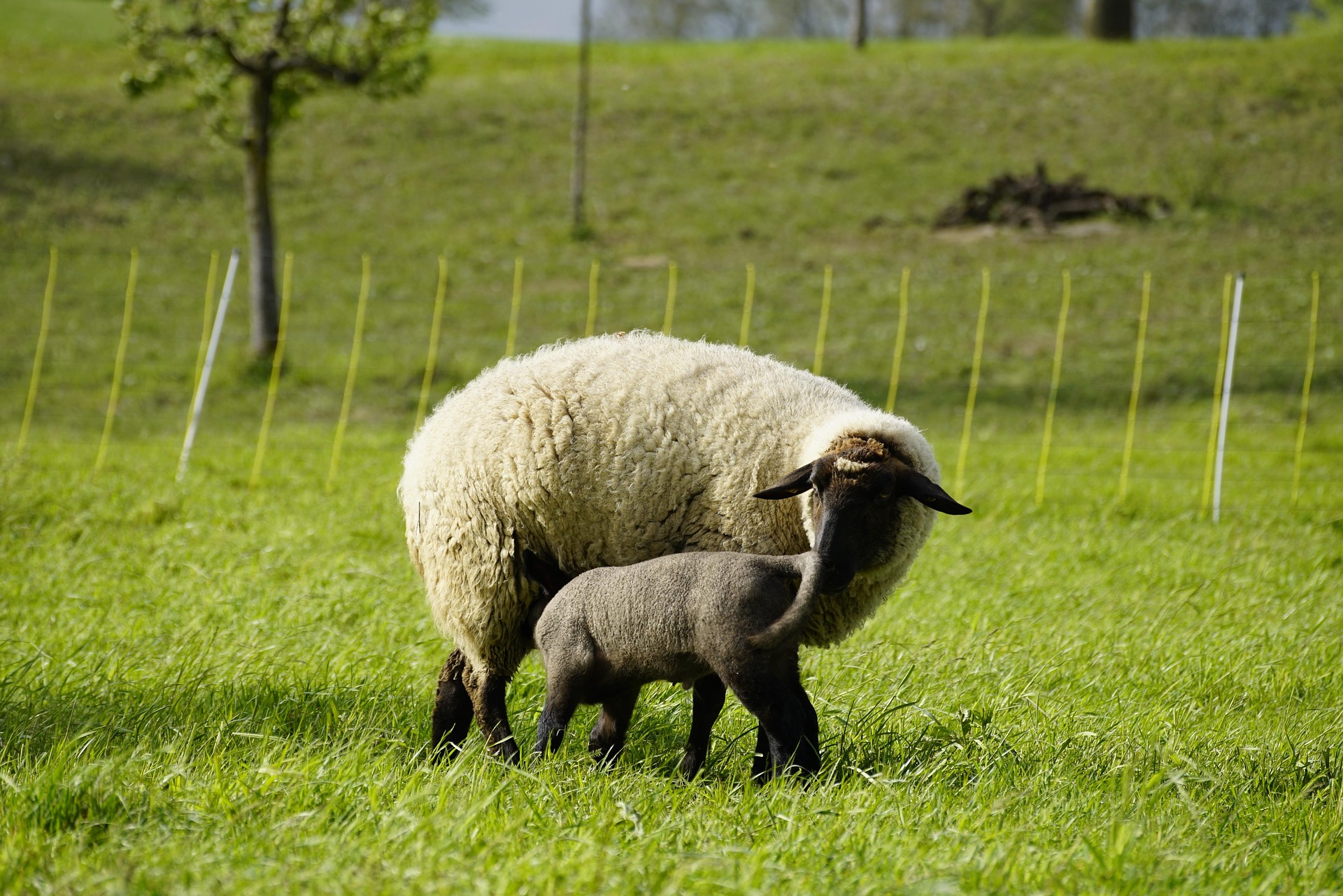
Parasite Control for Sheep & Goats
Damon Pollard, Livestock Extension Agent
Parasites in sheep/goats are a continual problem. With our recent
drought, conditions are prime for infestation, once we get some rain. Here
are a couple of general guidelines concerning parasite control. When grass-
growing conditions are good, parasite levels are high. Now our pastures are
over grazed, and animals must eat close to the soil. With rainfall and lower
temperatures, grass growth begins. Animals looking for grass will greedily
consume this new growth and are sure to pickup a greater number of parasites. Therefore, particular attention to parasite load will be needed this fall.
With very few effective dewormers for sheep/goats, producers have very few options. Effectiveness of dewormers is greatly enhanced by taking animals off feed for 12 hours prior and 12 hours after deworming, which slows down metabolic rate and allows dewormers more time in the gut. Another option is to combine 2 different dewormers to increase the scope of their effectiveness. Mature animals should be dewormed when needed at regular intervals and young growing animals may need deworming more often. By examining the lower eyelid color and the color of the gums, producers can evaluate the level of anemia, and deworm based on the redness present. Chronic problems with coccidiosis can also be a problem. Producers may need to treat more often, if we emerge from the drought and conditions improve for this intestinal parasite.
|
|
|
|
|
Burke County Beekeepers Association
Burke County Beekeepers are pleased to invite all our gardening friends to our Tuesday April 14 program starting at 7pm featuring Travis Snodgrass, Pesticide Field Operations and Compliance Monitoring Western District Pesticide Manager. Integrated Pest Management will be discussed. Of course the proper use of pesticides is important to all of us. It’s complicated. Healthy bees pollinate our gardens and make good honey.
Beekeepers Monthly Meeting
April 14, 2026
7:00 pm
Burke County Agricultural Building
130 Ammons Dr.
Morganton, NC 28655
|
|
|
|
|
|
|
|
|
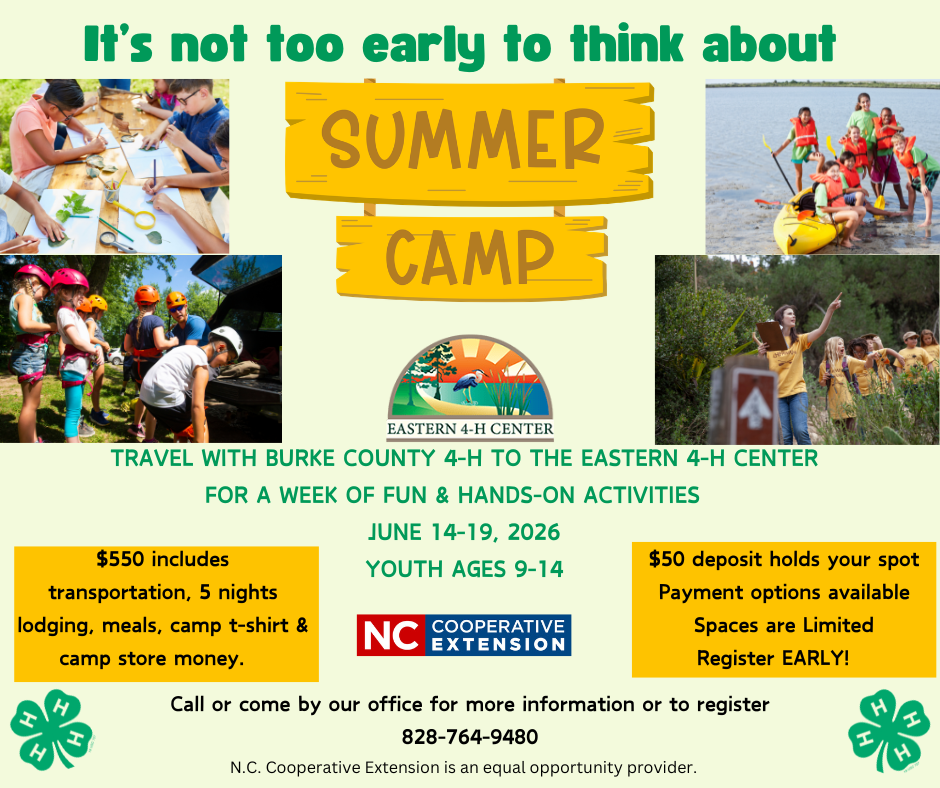
4-H Summer Camp: Eastern Center
Get ready for a 5-night adventure at the Eastern 4-H Conference Center in Columbia,
NC, from June 14-19! For Ages: 9–14. Cost: $550 (Scholarship applications are available!). Activities include: Coastal ecology, shooting sports, kayaking, and offsite camping for older youth. Spaces are limited, so contact Nicki soon to get on the list!
|
|
|
|
|
|
|
|
|
|
|
|
|
|
|
|
NC State University and N.C. A&T State University works in tandem, along with federal, state and local governments, to form a strategic partnership called N.C. Cooperative Extension.
|
|
|
|
N.C. Cooperative Extension is an equal opportunity provider.
|
|
|
|
|
|
|
|
|
|
|
|
|