Month-by-month lists of common plant diseases, pests, and other problems you may encounter in North Carolina yards and gardens. Straight from our PDIC (Plant Disease & Insect Clinic) entomologists and pathologists!
The Face of Drought: What to Expect from Your Landscape This Season
As North Carolina continues to navigate severe or extreme drought conditions, homeowners may be noticing a dramatic shift in the appearance of their yards. If your landscape looks like it’s struggling, it is likely reacting to the stress of high temperatures and insufficient rainfall. Here is what you can expect to see as your plants and lawn attempt to survive these conditions.
The Dormant Lawn: Brown, Not Necessarily Dead The most visible sign of drought is a brown lawn. While it may look dead, turf often enters a state of dormancy to protect itself. This is a natural survival mechanism; it is actually much less stressful for grass to remain dormant than to be forced into an active, drought-stressed state by light watering. You may also notice that grass stops growing entirely, which is why experts recommend setting mowers to the highest cutting height to shade the soil and protect what remains from "sunburn".
Trees and Shrubs: Early "Autumn" and Yellowing Your trees may look like fall has arrived months early. Yellowing or browning leaves and early leaf fall, sometimes as early as June or July, are common responses to heat and drought stress. Healthy trees can often regrow these leaves once the rains return, but the loss is a clear sign the tree is trying to use less water.
However, keep a sharp eye on your evergreens and pines. If you see bright brown needles and small, popcorn-like white to reddish pitch tubes on the bark, this could indicate a secondary attack from native pine beetles, which target trees already weakened by drought. For evergreens like rhododendrons and spruce, drought symptoms in the fall are particularly dangerous, as they can lead to needle death once the ground freezes and prevents any further water intake.
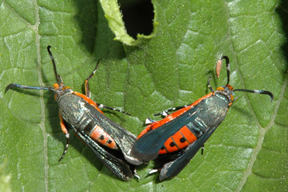
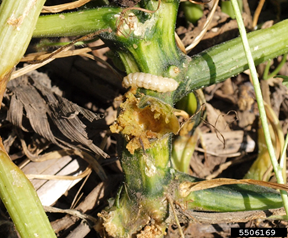
Who’s Ready for Squash?!?I love some fried squash, like I’m sure many of you do. But how are we supposed to battle in growing our own squash with that pesky vine borer??? Our NC State Extension has the answers!! The key is to create a barrier around the base of the squash vine where it meets the soil line. There are some other cultural practices that will help as well! Check them out!
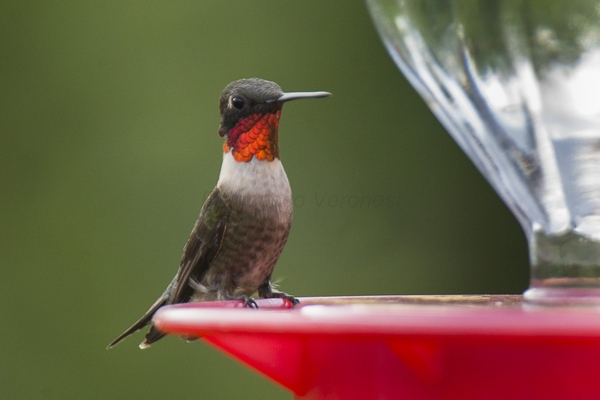
Hummingbirds Are Back! - Tips on Maintaining Your Feeders
Mix your own feed!! It is super easy and cheap, and you know exactly what’s in it. Boil 1 cup of water and mix with 1 cup of sugar until it dissolves. Then add 3 cups of cold water and mix again. Then fill you clean feeder and store any excess in the fridge for up to 2 weeks.
Check your feeders daily! You may need to refill or clean it out!
To keep a clean feeder, disassemble it and soak it in hot water. Scrub ALL the feeder parts, especially the port holes that they are drinking out of (a pipe cleaner works great for this area)! Rinse, allow the feeder parts to air dry, and then reassemble and refill. It is recommended to clean every time you change out the water, and to change our water often (especially as we get into regular hotter temperatures)!
NEVER add red dyes, it can harm your hummers!
Put out feeders in early spring and take up around 2 weeks after you see your last hummingbird in the fall/winter.
2026 Farmers Market Season!!
The Alexander County Farmers Markets will be starting back near Mothers’ Day! The Taylorsville Location will start back on April 18th, running on Saturdays from 9am-1pm until the heat of summer kicks in, then hours will change to 8am-Noon. The location of the Taylorsville market will be in the parking lot of the Alexander County Services Center in Taylorsville. The Bethlehem Location will start back on April 16th, running on Thursdays from 4-7pm in the parking lot of Mount Pisgah Lutheran Church off Hwy 127 (a **NEW LOCATION**). Alexander County Farmers market has vendors with all kinds of homemade products, including baked goods, produce, crafts, jewelry, plants, honey, and more! Support your local vendors this year on Thursdays and Saturdays through mid-September! If you are interested in being a farmers market vendor at either market in Alexander County, please feel free to contact Cari Rosenbalm (cari_rosenbalm@ncsu.edu). We always look forward to adding new vendors who either hand make, bake, or grow their own products!
Are you looking for plants to buy locally?? Here is a great list to start with of local garden centers & greenhouses:
2026 4-H Garden Club Schedule:
May 7th - Food Chain! June 4th - All on Insects July - Sign up for Jr. Master Gardener Summer Camp! August - NO Meeting September 10th - Habitats: Build a Burrow October 8th - Leaf Mosaic or Planting Bulbs November - NO Meeting December - NO Meeting
Alexander County offices will be closed Monday, May 25th in observance of
Memorial Day.
NC State University and N.C. A&T State University work in tandem, along with federal, state and local governments, to form a strategic partnership called N.C. Cooperative Extension.