 |
|
|
NC Cooperative Extension - Person County Center Monthly Newsletter - July 2026 |
|
NC State Extension extends research-based knowledge to all North Carolinians, helping them transform science into everyday solutions that improve their lives and grow our state. Discover how we're transforming lives through innovative research, educational programs, and community connections across North Carolina this month. |
|
|
| Family Consumer Sciences |
|
|
|
|
|
Youth Learn Public Speaking |
|
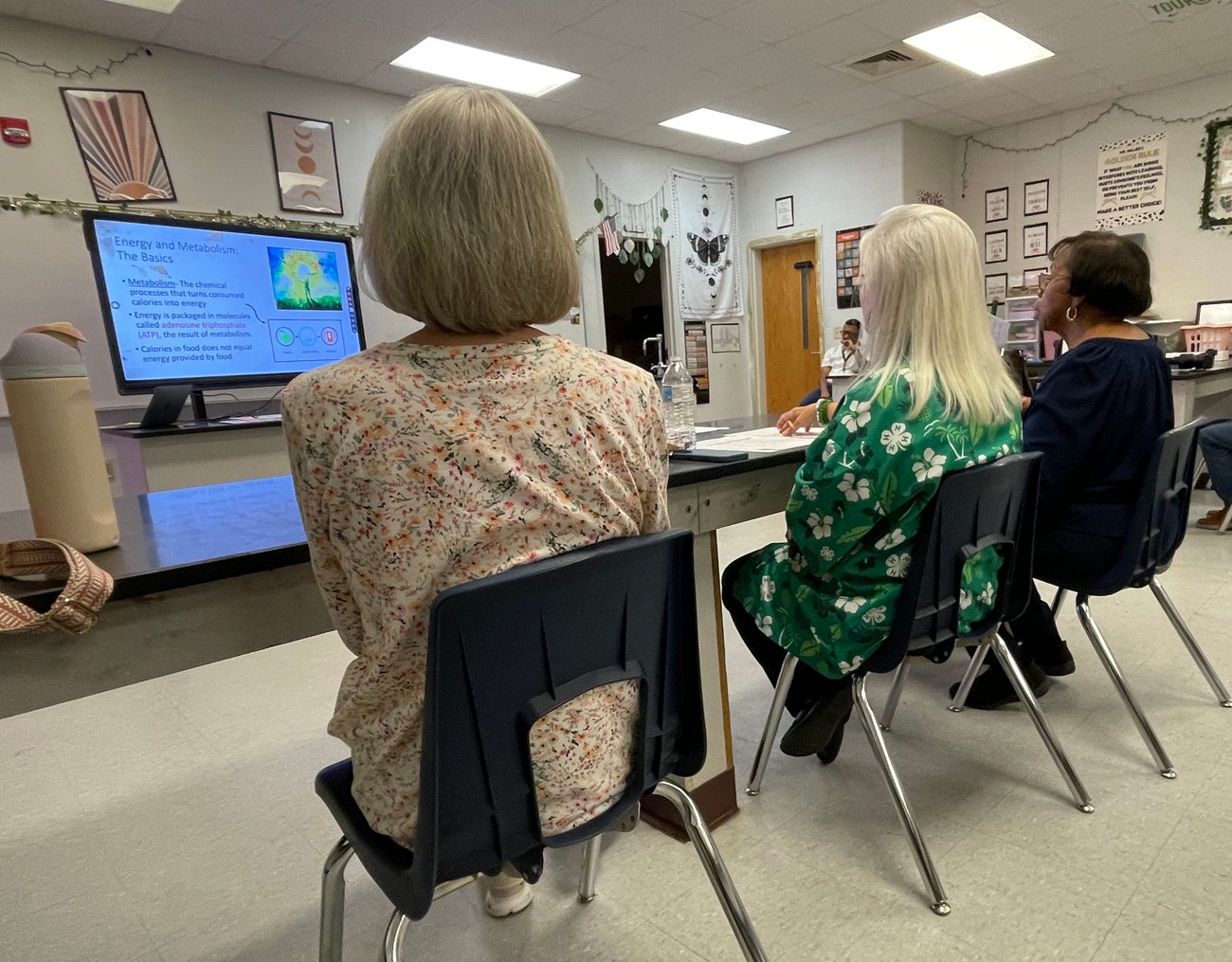
Thanks to our Person County Extension Community Association (ECA) members for helping serve as judges for the 4-H North Central District Activity Day event held in Caswell County on Wednesday, June 24. This is the annual district public speaking presentation contest for youth ages 8-18. Our judges helped judge the following categories: Food & Nutrition, Peanut Foods, Dairy Foods, and Fruits & Vegetable Use. Next summer, Person County 4-H will be hosting this event for the over 150 4-H'ers across the district who will be competing. |
|
|
|
Let's Prevent Diabetes |
|
Did you miss the Information Sessions about the upcoming Diabetes Prevention Program (that we hope to start in mid-July)? No worries. We've added one final Information Session on Thursday, July 2 at 12:00p.m. just for you. Call the Health Department at (336) 597-2204x2277 or register online at go.ncsu.edu/diabetesinfo |
|
|
|
Show Me the Money! |
|
Stop wondering where your money goes by learning tips to build your financial confidence! Not sure where your money is going? Join us on Tuesday, July 14 at 12:00p.m. for a fun, interactive virtual session where you’ll learn practical tips to manage your money and build financial confidence. Register online at go.ncsu.edu/money-skills |
|
|
|
Volunteers On the Go! |
|
We have two Person County Extension Community Association (ECA) members that will be ino Wisconsin on Tuesday - Thursday, July 14-16 for the annual National Volunteer Outreach Network (NVON) Conference, representing NC. |
|
|
|
See You At the Movies!! |
|
Come support the Person County Extension Community Association (ECA) Friday, July 24 at 6:30p.m. at the Kirby Theater by joining us for another installment of the FREE Friday Night Movie series, which is put together by the Person County Tourism Development Authority. The movie is FREE but we will be selling concessions such as popcorn, chips, candy and drinks. The movie this month is "Elio" and it follows eleven-year-old Elio who is mistaken for the intergalactic ambassador of Earth. |
|
|
|
|
|
4-H'er Wins District Award |
|
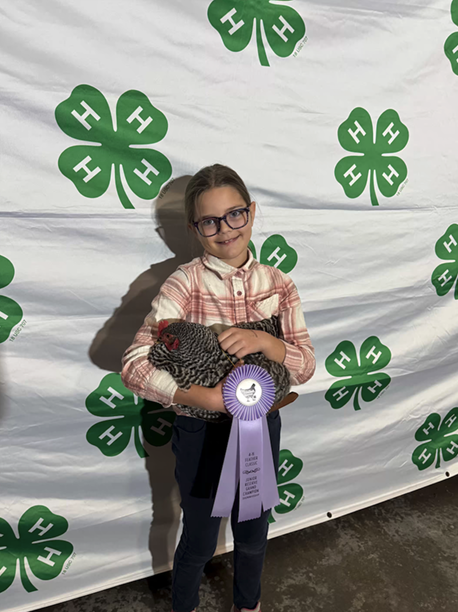
Person County 4-H member Annabelle Eagleburger was awarded the bronze medal in the 8-10 age category for her outstanding Animal Science Project Record Book at the 4-H District Contest. Annabelle’s award-winning record book focused on her chicken project. She raised young chicks at home, learned critical poultry management and biosecurity skills, and shower her chickens at the Person County 4-H Feather Classic Chicken show. |
|
|
|
Join the 4-H Quilt Project |
|
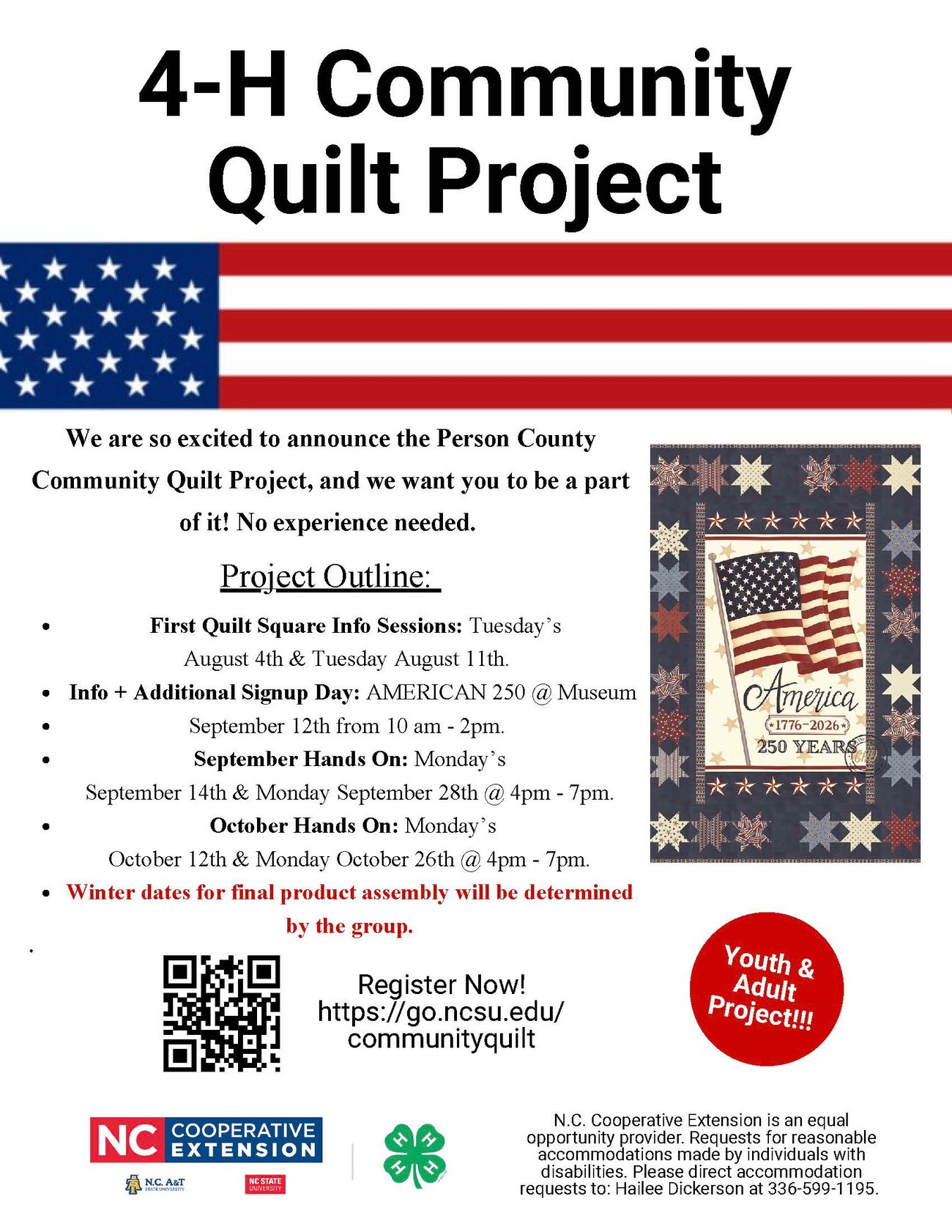
It is not too late to sign up for our 4-H Community Quilt Project, and absolutely no experience is needed to join the fun! This is an intergenerational youth and adult project. We will have our First Quilt Square Info Session on Tuesday, August 4. Best of all, the final masterpiece will be proudly displayed in the Person County Office Building for the whole community to enjoy! It is FREE to participate. Be sure to register online at go.ncsu.edu/communityquilt |
|
|
|
|
|
Pond Clinic |
 |
|
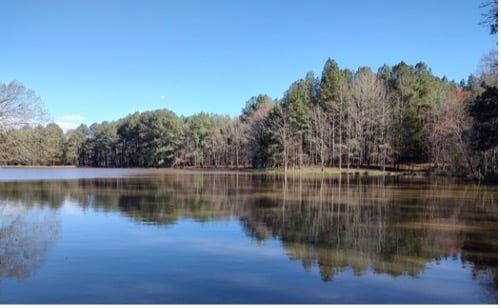
The Granville and Person County Cooperative Extension offices held a pond clinic on Friday, June 5 at the Granville County Expo Center. This clinic included presentations from NC State Extension pond specialists. Participants learned about pond weed identification and their control measures, along with overall pond management. The clinic had 23 very engaged participants with great questions for the presenters. If you have any pond questions, please contact Person County Cooperative Extension at 336-599-1195. |
|
|
|
Tomato Spotted Wilt Virus |
|
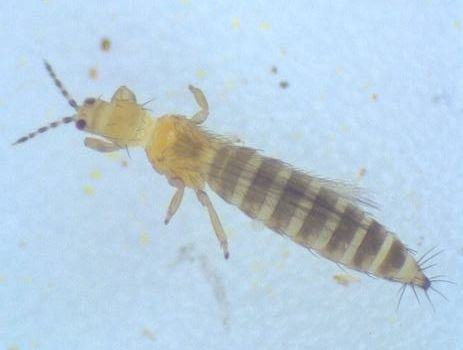
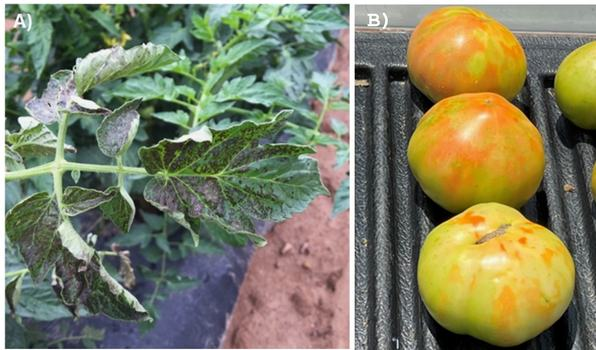
There have been more Tomato Spotted Wilt Virus issues this year than most for some reason, possibly the dry hot weather. A lot of individuals are having it affect their tomato and pepper plants. This virus is vectored, introduced/spread, by an insect called Thrips. The Thrips feed on the plant infecting the plant with the virus causing symptoms on the vegetation and usually death of the plant. To control this disease you need to control the Thrips. Unfortunately, once a plant is infected with the virus there is no control or cure. For homeowners, products with Spinosad as the active ingredient is affective in controlling the Thrips. Insecticidal soaps and Neem oil is also affective insecticides. As always if you have any questions regarding this, please contact Person County Cooperative Extension at 336-599-1195 |
|
|
|
|
|
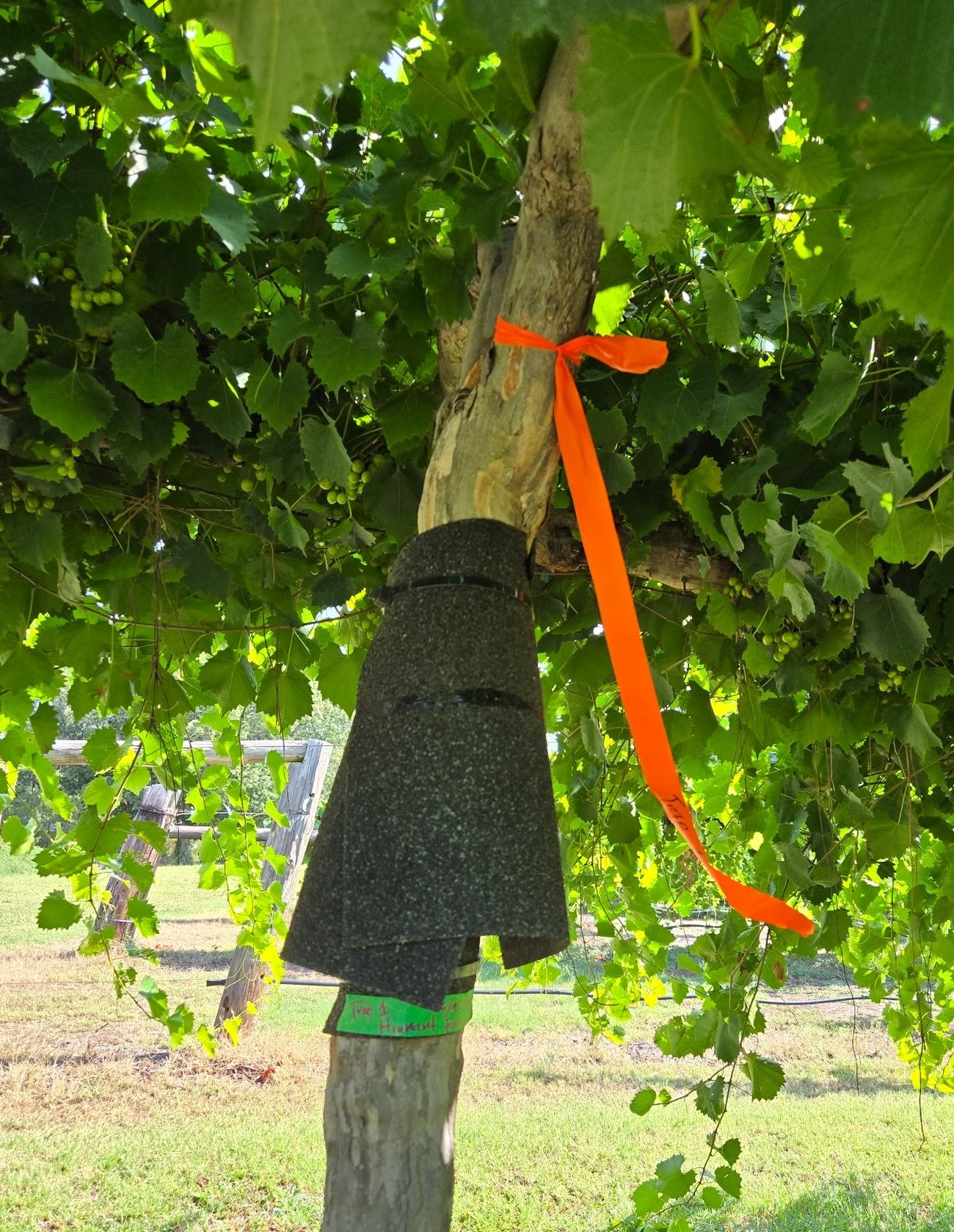
NC State Extension Entomologist for small fruits and tobacco, Lorena Lopez, is conducting a study on the movement of the Spotted Lanternfly. Part of this study has her placing a couple of monitoring devices in a Person County vineyard. This device will be monitored by our Horticulture Agent and Extension Master Gardener Volunteers throughout the summer and fall. The device does not attract the insects to the area but provides a favorable place for them to lay their eggs if they are in a certain area already. Person County Extension is excited to be a part of this study. |
|
|
Spotted Lanternfly Monitoring |
 |
|
|
|
|
|
Drought Resources |
 |
|
|
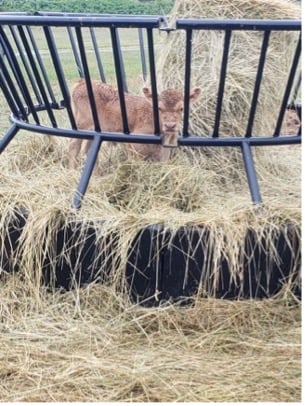
NC Cooperative Extension has a website with drought resources on it. Check out the page at NC Drought Resources. Information is available for both livestock and crop producers. There are links to get you to additional resource pages as well, including the Farm Service Agency office which has implemented a program to help with livestock grazing losses and the NC Hay Finder tool. Finally, drought adds a layer of stress to farming. There are some mental health resources here as well. Take care of yourself, you are the most important asset to your farm. Talk to someone if needed. |
|
|
|
Disaster Assistance for 2026 Livestock Forage Losses |
 |
|
|
|
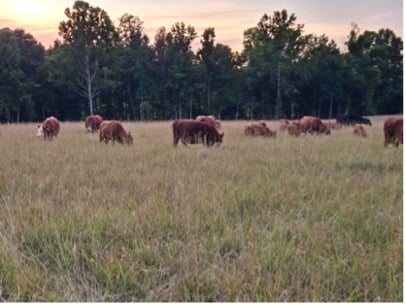
Producers are eligible to apply for 2026 Livestock Forage Disaster Program (LFP) benefits on small grain, native pasture, improved pasture, annual ryegrass, and forage sorghum. The program helps to provide compensation if you suffer grazing losses for covered livestock due to drought on privately owned or cash leased land. You must complete a CCC-853 and the required supporting documentation no later than March 1, 2027 for 2026 losses. For information about LFP, including eligible livestock criteria, contact your local service center or visit FSA Livestock Forage |
|
|
|
Forage & Livestock Webinars |
|
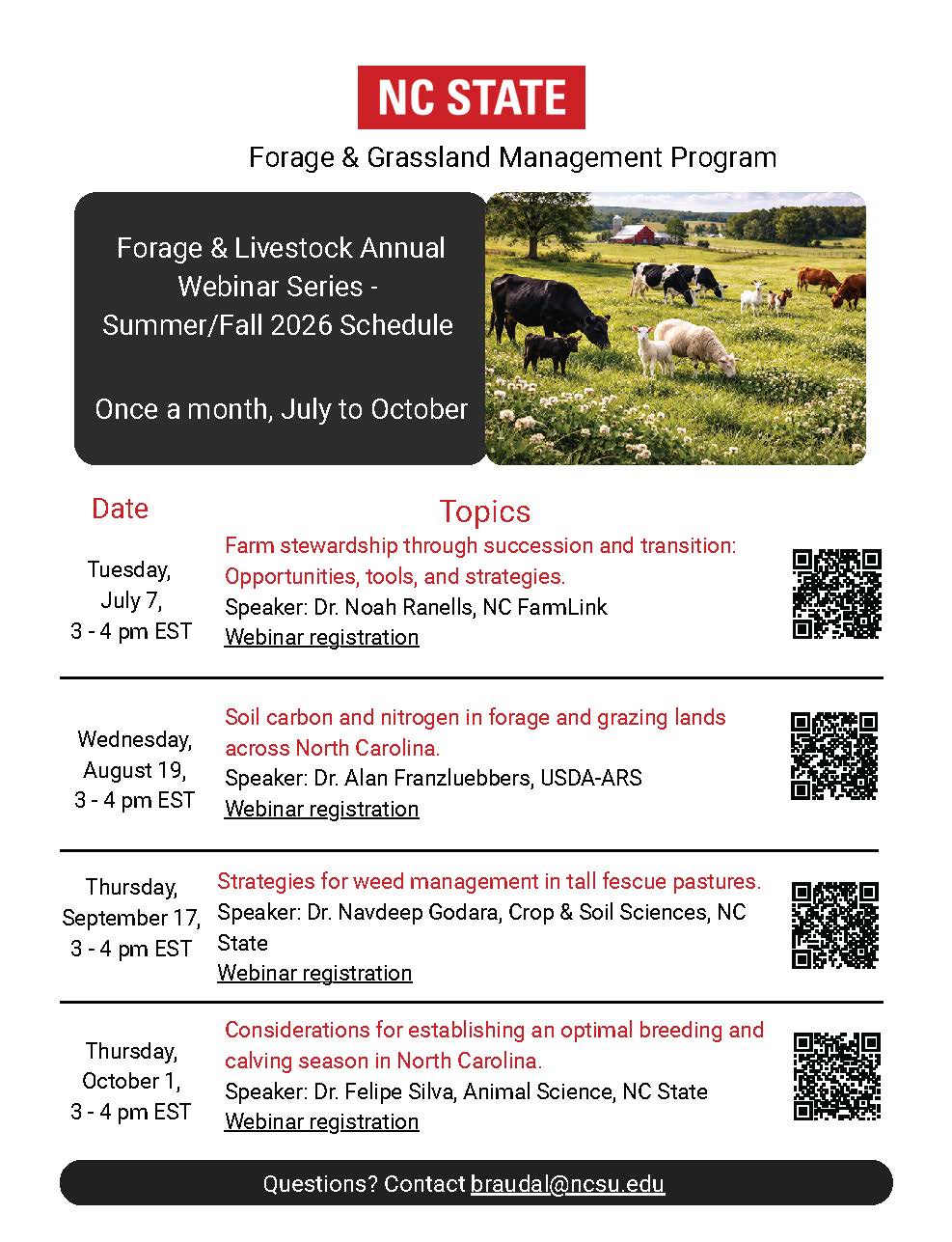
We are excited to share the schedule for the 2026 Annual Forage & Livestock Webinar Series. The registration is free and the webinars run from 3:00-4:00 p.m. EST, July to October, 2026. The goal of this series is to provide information and practical tools to support and strengthen the pasture-based livestock industry in North Carolina and across the region. Each session features insights shared directly by experts in the field. Register online!! |
|
|
|
NCDA&CS Enacts Movement Restrictions on Animals Imported from States Affected by New World Screwworm |
|
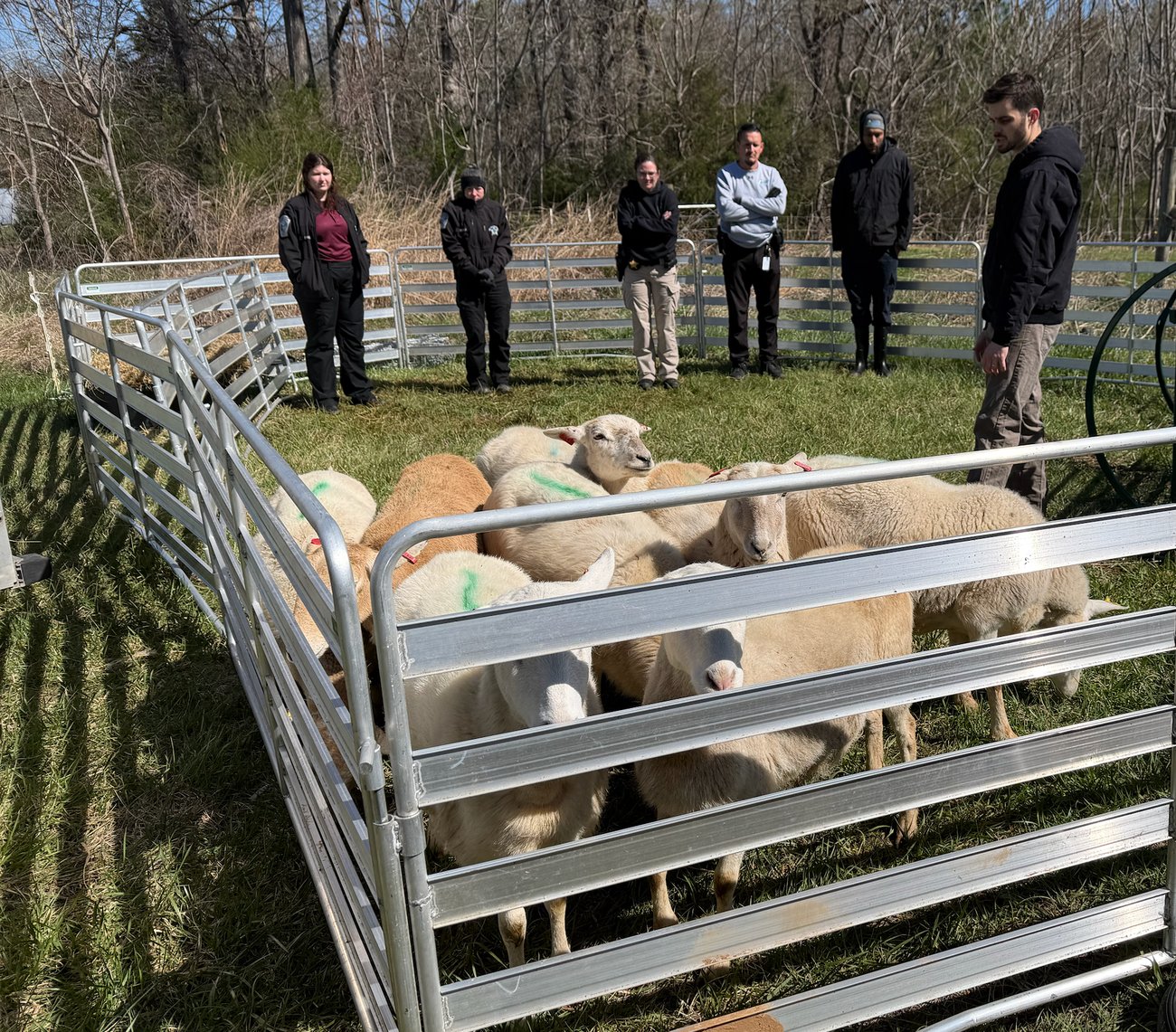
North Carolina has no cases of New World Screwworm. However, due to the detection of New World Screwworm in the United States, the North Carolina Department of Agriculture and Consumer Services will enforce additional interstate movement health requirements for warm-blooded animals, including livestock, horses, dogs and cats, entering North Carolina from states affected by a New World Screwworm Infested Zone. “The restrictions on interstate movement of animals from these affected areas is one of the tools we are using to help our state be in a better position to prevent and control the spread of New World Screwworm,”said State Veterinarian Mike Martin. All warm-blooded animals imported into North Carolina from an Infested Zone must have an accredited veterinarian complete the normal importation requirements and comply with the NWS National Continuity of Business Standardized Animal Movement Guidance. The Interstate Certificate of Veterinary Inspection shall be valid for no more than seven days from the date of inspection and must include the statement, “All animals listed have been inspected and found free of evidence of NWS infestation.” An entry permit number must be requested at least 48 hours prior to movement. Permit numbers can be requested Monday through Friday from 8 a.m. to 5 p.m. by emailing NC-ICVI@ncagr.gov. All warm-blooded animals entering North Carolina from outside an Infested Zone but within a Surveillance Zone must have an accredited veterinarian complete the normal importation requirements and be accompanied by an ICVI (Interstate Certificate of Veterinary Inspection) including the statement, “All animals listed have been inspected and found free of evidence of NWS infestation.” The ICVI shall be valid for no more than seven days from the date of inspection. New World Screwworm was detected in Zavala County, Texas on June 3, 2026. Additional cases have since been detected in other Texas counties and in New Mexico. This is a serious pest that affects livestock, pets, wildlife, and, less commonly, people and birds. Adult NWS flies can look very similar to houseflies and the maggots (larvae) look similar to our native fly maggots. Laboratory identification is needed to identify maggots accurately. The NWS larvae feed on the living tissue of warm-blooded animals and they cause extensive damage to wounds by feeding on this healthy tissue. If you suspect New World Screwworm maggots in a wound call your local veterinarian or NCDA&CS at 919-707-3250. New World Screwworm is considered a reportable disease in the United States. New World Screwworm is not a food safety concern and the food supply is safe. For more information on the current outbreak visit www.screwworm.gov. For NC specific information visit: NCDA’s New World Screwworm site. |
 |
|
|
| Field Crops |
|
|
|
|
|
2026 Tobacco Field Day |
|
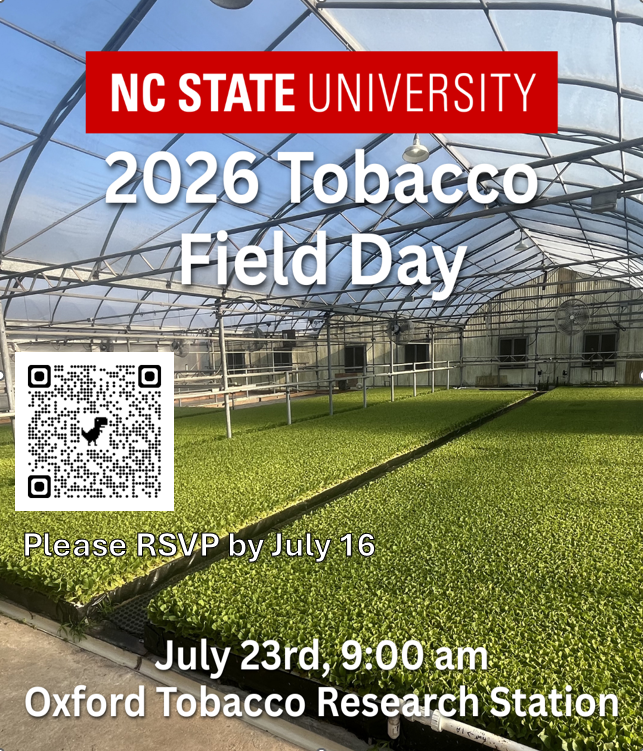
Mark your calendars for the 2026 NC State Tobacco Field Day on Thursday, July 23rd at 9:00a.m. at the Oxford Tobacco Research Station, located at 901 Hillsboro Street, Oxford, NC. There is a full day planned, including presentations from students and faculty on current research projects, along with timely updates on topics relevant to the tobacco industry.Please visit this link to register. |
|
|
|
Drought & Irrigation Considerations - June 2026 |
|
|
|
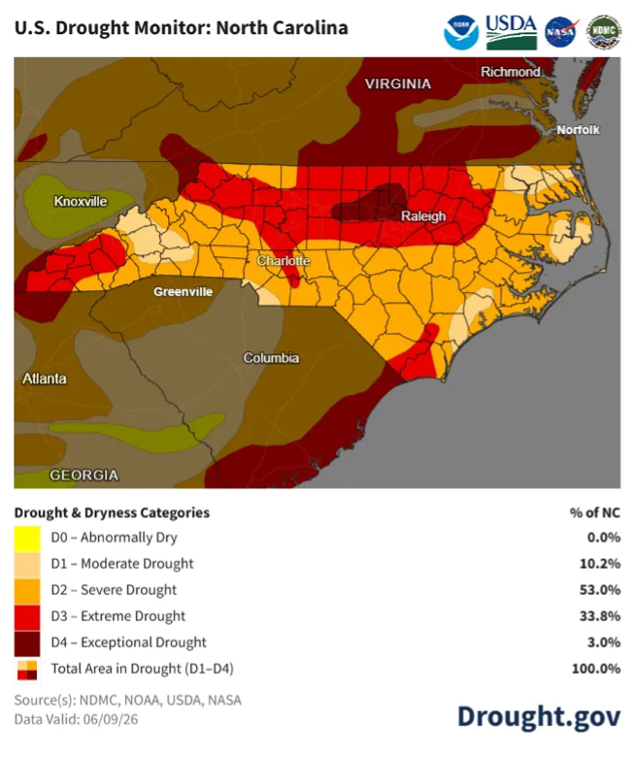
North Carolina is under drought conditions, with tobacco growing regions ranging from moderate to exceptional drought conditions (shown below). While tobacco can handle some dry weather, the drought thus far in the growing season is exceptional and likely beyond what can be tolerated without irrigation for most of the crop. The article linked at Tobacco Irrigation does a great job covering irrigation considerations for tobacco in a drought. Instead of writing a completely new article, here are a few key takeaways from the article for June 2026, as well as a couple of added thoughts.
Crop stage is important, especially when irrigation water is limited
-
Irrigation is typically not recommended between transplanting and layby. In fact, moderate stress during this time can encourage root growth. However, this is not a typical year, and we are past moderate stress in many areas. If your crop is not yet at layby and growth has been significantly delayed, consider irrigation. Irrigate enough to make it worth it, but not excessively.
-
Water is most critical between layby and topping as this is when roughly 80% of tobacco growth occurs. About one inch per week (from rain and irrigation combined) during this time is ideal. If you are at this stage, consider irrigation, even if water available for irrigation is limited.
-
After topping, the plant is losing less water via transpiration, and the water need is reduced.
Nitrogen is the most important nutrient in tobacco production, and the majority of nitrogen is taken up by the plant roots in water. Water not only makes nitrogen move into the plant, it also makes it leach out of the rooting zone. Without any rain, where is the nitrogen? A significant portion of it is probably right where you left it – in the fertilizer band. The interaction between nitrogen and water affects a couple of different management decisions right now. First, if you are an Old or Middle Belt grower approaching layby, be sure not to over-fertilize the crop at layby. There is likely more nitrogen still plant-available in the soil than usual at this time of year, and excess nitrogen would likely delay ripening. Second, for those in the eastern part of the state that are around or right after topping, this is when we typically want to run out of nitrogen in the soil so that the plant can begin the ripening process. Thus, irrigating sooner rather than later will get that nitrogen in the plant where it belongs and allow the crop to begin ripening. This will hopefully avoid a late-season green-up. Ultimately, when considering irrigation at or after topping, be sure to think about how much nitrogen you have applied, how much rain/irrigation you have gotten thus far, and how much nitrogen might still be in the soil. Then, consider how that would affect your crop with irrigation now as compared to a future rain event later (that may or may not come).
A couple last points from the article to increase water use efficiency. First, good weed control reduces competition with the crop for limited soil moisture. Second, early topping and effective sucker control reduce plant demand for water. |
|
|
 |
|
"USMCA at the 2026 Review: What North Carolina Businesses Should Know" from the NC Chamber Foundation; in June 19 Wheat Beat |
|
Canada and Mexico account for nearly one-third of North Carolina exports, making the upcoming review of the United States-Mexico-Canada Agreement (USMCA) an important moment for the state's business community. As the 2026 review approaches, the NC Chamber Foundation has developed a situational briefing highlighting what’s at stake for North Carolina's economy and business community.
USMCA at the 2026 Review: What North Carolina Businesses Should Know
Key Facts
-
North Carolina exported a record $43.8 billion in goods in 2025.
-
Canada and Mexico account for nearly one-third of North Carolina exports, with Canada serving as the state's largest export market.
-
Nearly 11,000 North Carolina companies export goods, including more than 9,500 small and medium-sized businesses.
-
Trade with Canada and Mexico supports as many as 142,000 jobs across North Carolina.
-
North Carolina imported roughly $17 billion in goods from Mexico and more than $8 billion from Canada in 2024, making the two countries among the state's largest foreign suppliers.
Why it Matters
Canada and Mexico serve as critical partners in regional supply chains and key markets for North Carolina businesses. USMCA provides the stability and predictability businesses rely on to invest, grow, and compete across North America. Manufacturing, agriculture, logistics, life sciences, and small and medium-sized exporters all benefit from a North American trade framework that supports long-term planning, investment, and market access. The 2026 review will determine whether the agreement is extended for another 16 years or moves into a period of annual reviews. While annual reviews could provide an opportunity to address sector-specific priorities, they could also introduce additional uncertainty for businesses making long-term decisions about investment, sourcing, and expansion. As North America’s economic and trade landscape continues to evolve, the 2026 USMCA review represents an important moment for businesses across North Carolina. To read the full briefing, explore key findings, and learn what business leaders should consider in the weeks ahead, click here. |
|
|
|
|
Support Local Farmers!! |
|
|
Be sure to visit the Person County Farmers Market on Saturday, July 11 from 8:00a.m. - 12:00p.m. at Heritage, a Gathering Place, located at 4431 Durham Road in Roxboro, to celebrate all things blueberry! Be sure to make plans to stop by and see the special blueberry themed items their vendors will have for sale! Also, it is not too late to enter their Best Blueberry Dessert Contest. |
|
|
|
|
Together, we're building a brighter, more prosperous future for North Carolina - one community at a time. |
|
|
 |
|
| \n\n\n
|
|
|