|
|
|
|
|
|
|
|
|
|
|
|
|
|
|
|
Click on the following links to see the Garden Calendars for each month:
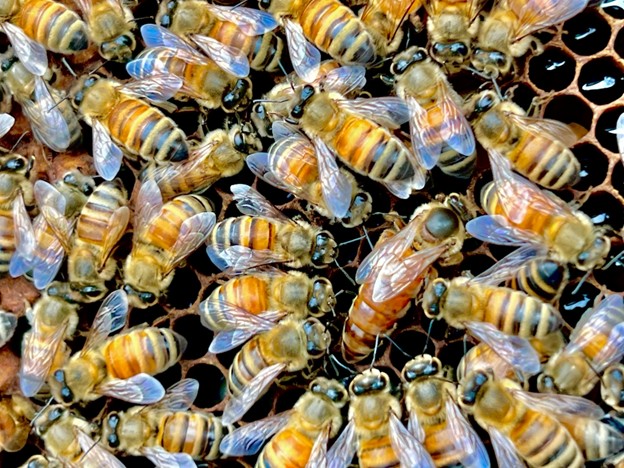
National Pollinator Week Photo Contest Winner
Thank you to all of our applicants in the National Pollinator Week Photo Contest. We enjoyed sharing and admiring your creative photography skills. We appreciate all you do to support our amazing pollinators! Please enjoy our winning photo, one last time.
Kendra Yang-2026-Honeybees and Queen
|
|
|
|
|
|
|
|
BOLOs (Be On The Lookout)....
|
|
|
Month-by-month lists of common plant diseases, pests, and other problems you may encounter in North Carolina yards and gardens. Straight from our PDIC (Plant Disease & Insect Clinic) entomologists and pathologists!
|
|
|
|
|
|
|
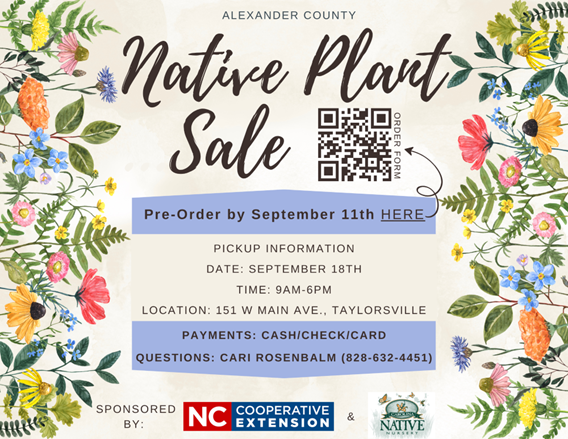
🌿 Tips for Adding Natives to Your Garden
- Plant for all seasons – include evergreens, berries, seed heads, nectar sources, and grasses.
- Design naturally – use curves, clusters, and layers to mimic nature.
- Give space – check mature sizes and plant accordingly.
- Expect a few nibbles – caterpillars mean butterflies!
- Avoid windows – keep plantings a safe distance for birds.
Support your local Extension office and help your local ecosystem by shopping the sale this fall. More details to come!
Questions?
Contact: Cari Rosenbalm, Horticulture Agent
📞 828-632-4451
“It will be the plants that we use in our gardens that determine what nature will be like 10, 20, and 50 years from now.”
— Doug Tallamy
|
|
|
|
|
Tips for Managing Summer Heat Waves in the Garden
Extended periods of high temperatures can place significant stress on both vegetable gardens and ornamental landscapes. During a heat wave, plants often need extra attention to maintain healthy growth and reduce the risk of disease and moisture stress.
Here are a few ways to help your garden weather the heat:
- Water deeply and early. Water in the early morning whenever possible so plants have adequate moisture before the hottest part of the day. Deep, infrequent watering encourages stronger root systems than frequent, shallow watering. Most vegetable gardens need about 1 inch of water per week, but during prolonged hot, dry weather they may require more.
- Water the soil, not the leaves. Use soaker hoses or drip irrigation when possible to keep foliage dry. Wet leaves for extended periods of time can encourage fungal diseases.
- Mulch to conserve moisture. Apply 2–3 inches of organic mulch, such as shredded leaves, pine straw, or bark, around plants to reduce soil temperatures, conserve moisture, and suppress weeds. Keep mulch a few inches away from plant stems.
- Harvest vegetables regularly. Pick vegetables in the early morning when temperatures are cooler and produce is at its best quality. Frequent harvesting encourages continued production of crops such as beans, squash, cucumbers, and okra.
- Watch for blossom-end rot and other stress-related disorders. Inconsistent soil moisture can contribute to blossom-end rot in tomatoes, peppers, and squash. Maintaining even soil moisture helps reduce this problem. This can also be a calcium deficiency that can be helped by making a lime slurry (lime and water mixture at a thin milkshake-like consistency) and pouring a cup at the base of each plant.
- Monitor for diseases and pests. Hot, humid weather favors many common garden diseases, including early blight, powdery mildew, and various leaf spots. Inspect plants often, remove diseased foliage promptly, provide adequate spacing for good air circulation, and avoid working among wet plants to reduce disease spread.
- Delay unnecessary pruning or fertilizing. Heavy pruning and applications of high-nitrogen fertilizer during extreme heat can place additional stress on plants. Wait until temperatures moderate before performing major maintenance.
- Keep weeds under control. Weeds compete with garden plants for valuable water and nutrients, making heat stress even more severe.
A little extra care during periods of extreme heat can help vegetables continue producing and keep flower beds looking their best throughout the summer. Consistent watering, good sanitation, proper mulching, and regular scouting for problems are some of the most effective ways to help your garden thrive despite the heat.
|
|
|
|
|
|
Alexander County Farmers Market
|
|
|
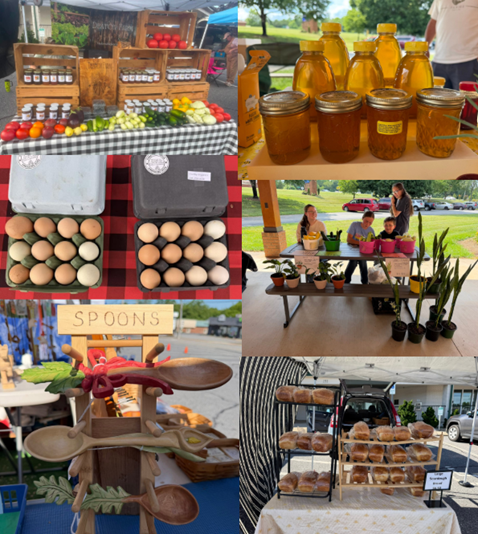
If you are in need of fresh, local produce, honey, baked goods, eggs, beautiful planters for your porch, perennials for your flower beds, handmade jewelry or crafts, you have got to visit the Alexander County Farmers Market! The Taylorsville Market is held every Saturday from 9am to 1pm and we also have the Bethlehem Market (located at Mount Pisgah Lutheran Church off Hwy 127) that runs every Thursday from 4-7pm. We have so many awesome vendors that we are THRILLED to have! If you are in town on Thursday or Saturday, stop by the market to support your local vendors! If you are interested in becoming a vendor at either market, please contact Cari Rosenbalm, Horticulture Agent, at 828-632-4451. Here are a few goodies from this past week from our local vendors!
|
|
|
|
|
|
|
|
Upcoming Events
- 7/4 - Independence Day!
- 7/13 @ 7pm - Beekeepers Meeting
- 7/17 - Mini Garden Judging!
- 7/22-23 - Jr. EMG Camp
- 8/6 @ 4pm - 4H Garden Club
- 8/12 @ 12pm - From Garden to Pantry Series - Gardening For Pollinators with Native Plants
- 9/2 @ 12pm - From Garden to Pantry Series - Sow It Forward: Seed Saving 101
- 9/3 @ 4pm - 4H Garden Club
- 9/3 @ 2-4pm - Commercial Pesticide Recertification Class + X
- 9/7 - Labor Day!
- 9/8 @ 6-8pm - Private Pesticide Recertification Class (V)
- 9/10 @ 5:30pm - 4H Garden Club
- 9/18 @ 9am-6pm - Native Plant Sale Pickup
|
|
|
|
|
|
|
|
|
NC State University and N.C. A&T State University work in tandem, along with federal, state and local governments, to form a strategic partnership called N.C. Cooperative Extension.
|
|
|
|
|
|
|