 |
|
Welcome August !
Looking ahead to August, we are wrapping up yet another summer youth activity, headed into peak wildflower and native flower bloom, and appreciating the harvests of late summer. Many of us are also rejoicing in the recent rains, recent flash floods and all!
We are excited to announce that our cross county field crops agent position is open. You can find the application at https://h1.nu/jobsncsuedu. Anyone willing to get their boots dirty and trek through rich fields of soybeans, tobacco, corn is welcome to apply.
Read through our newsletter to see our latest programs, partnerships, and impacts. Thank you for reading!
- Selena McKoy, NC Cooperative Extension Director - Granville |
|
|
|
|
|
|
Local Foods Coordinator - Granville County
Wendy Tatum |
 |
|
|
|
|
|
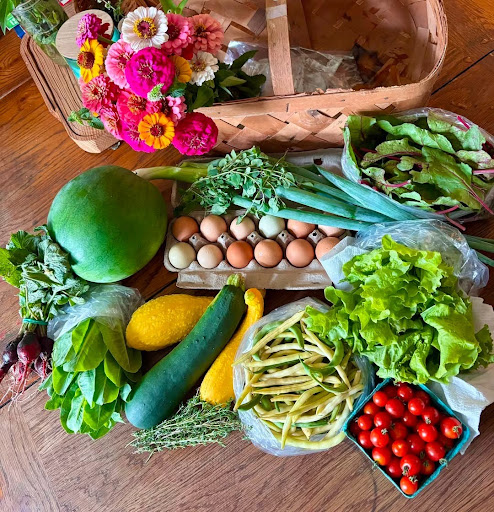
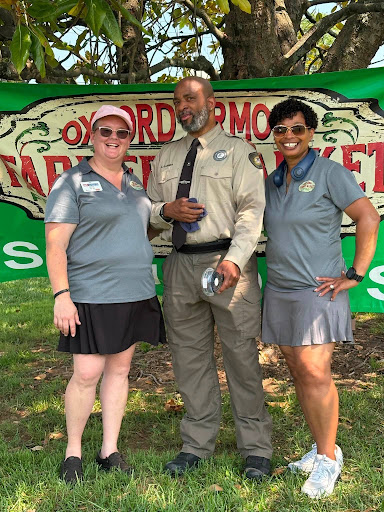
The Oxford Armory Farmers’ Market has been extremely busy during July. The first Saturday of July the market was showered in Red, White and Blue. The market opened with the playing of the Star Spangled Banner. The Granville County Veteran Affairs Committee brought their trailer and passed out resources in the market. The NC Cooperative Extension had materials related to America 250 with the theme of victory gardens and pollinators. Other vendors offered military discounts.
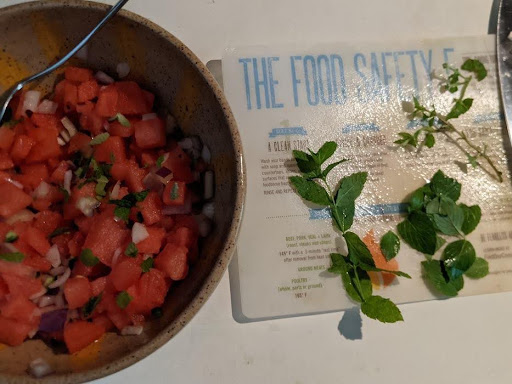
On July 11, we celebrated Tomato Day with DJ Trey Snide of Next Door Radio. The Extension Master Gardeners of Person and Granville Counties and extension agent, Johnny Coley, served different varieties of tomatoes at the market and shared information on growing your own tomatoes. Additionally, volunteers shared about the ongoing tomato research project at NCSU. Vendors displayed their luscious tomato products including salsas that are prepared in commercial kitchen spaces.
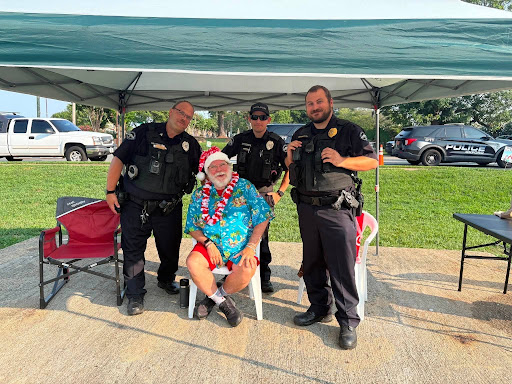
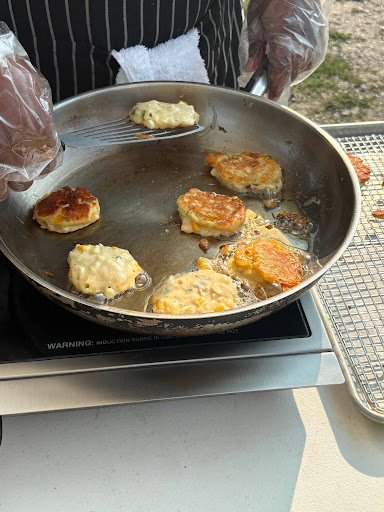
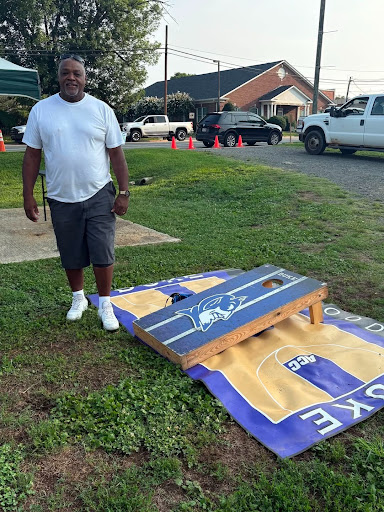
The market on July 18th was crazy with so many events. It was craft Saturday, Christmas in July, Corn Day and beekeeping during the Revolutionary War. Chef Kyle Wilkerson The Vance Granville Culinary Arts Program brought two students with amazing corn recipes: Corn cupcakes, Mexican Street Corn, Corn Fritters with Pimento Cheese, and caramel corn cinnamon buns. All of the recipes can be found on our social media pages. Santa joined us in his swimming trunks, Santa hat, and Hawaiian shirt. The Oxford Police Department even came by to say hi. Local celebrity and cornhole champion, Ronnie Norwood, taught kids and adults how to play cornhole. |
|
|
|
|
|
|
|
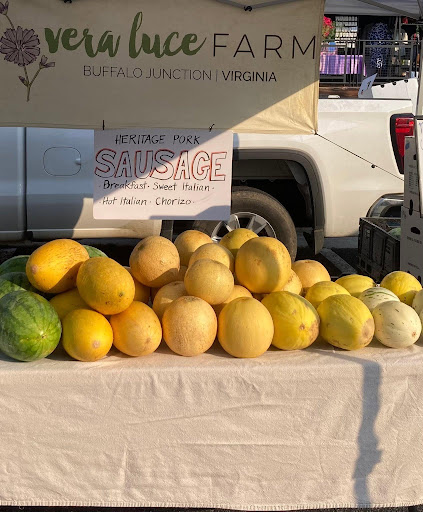
On July 25th, it poured down raining, but if you know how the market rolls, you know we had fun! From splish splashes in muddy puddles to dancing in the rain while Seth from Icing on the Cake was our DJ. Even in the rain, our customers showed up and supported the market. We celebrated melon day without any taste testing. |
|
|
|
|
|
|
|
Our biggest project has been our partnership with the Federal Correctional Complex in Butner with their back to school supply drive to support ACIM, Credle and Butner Stem Elementary Schools. Our friendly competition ends on August 1st and the collected items will be distributed to the schools just in time for our local students who return on August 10th. Thank you to everyone who supported this effort. |
|
We began accepting WIC and Senior Farmers’ Market Nutrition Program vouchers at the market and Blue Cross and Blue Shield of NC gave $5,000 of matching funding to double the Senior Farmers’ Market Nutrition Program. So far, 242 vouchers have been used at the market for a value of $2,420 with the matching program. Voucher information is being distributed through ACIM. |
|
|
 |
|
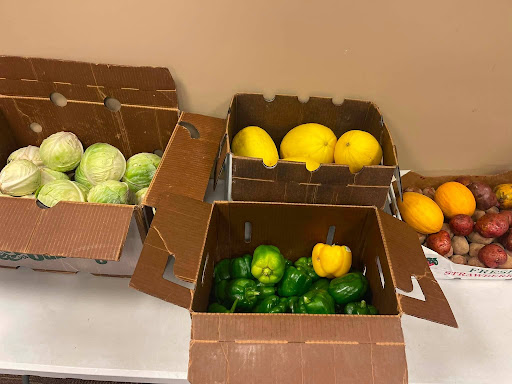
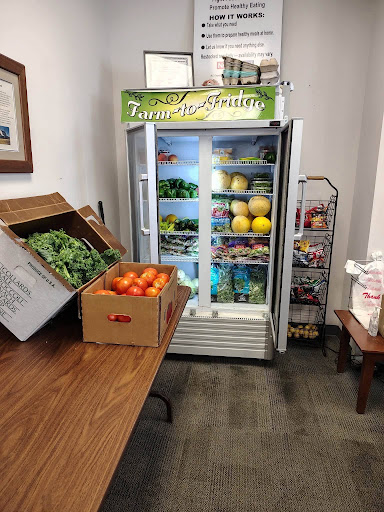
We are so grateful for our partnerships that support the Farm to Fridge especially with the Granville County Library System. First and foremost, we have wonderful Farm to Fridge Volunteers that pick up from Food Lion of Hilltop Villages, local farms, and the Oxford Armory Farmers’ Market weekly. Without their support, the Farm to Fridge would not be successful. So far this year, 17,006 pounds(approximate value of $40,000) of produce and 262 dozen eggs(approximate value of $1,310) have been distributed to the community. We are very grateful for the grant funding from Triangle North Healthcare Foundation and Granville County United Way. With their support, we are able to purchase fresh produce and eggs to stock the refrigerators. |
|
|
|
|
|
|
|
Leadership Granville AG Day |
|
Leadership Granville Agriculture Day will be held on August 27th with stops at Little Grassy Creek Farm, Preddy Farm, Plantd, and Bailey Farms. We are looking forward to sharing our agricultural community with the class of 2026. |
|
|
|
|
|
Livestock & Forages
Kim Woods, Area Agent, Agriculture - Animal Science |
|
|
|
Annual forage & Livestock webinar series |
|
There are still 3 sessions left in the 2026 Annual Forage & Livestock Webinar Series. The registration is free and the webinars run from 3-4 pm EST.
The goal of this series is to provide information and practical tools to support and strengthen the pasture-based livestock industry in North Carolina and across the region. Each session features insights shared directly by experts in the field.
REMAINING TOPICS AND REGISTRATION LINKS
Soil carbon and nitrogen in forage and grazing lands across North Carolina. Speaker: Dr. Alan Franzluebbers, USDA-ARS. (August 19, 2026; 3-4 pm EST) . 👉 Webinar registration.
Strategies for weed management in tall fescue pastures. Speaker: Dr. Navdeep Godara, Crop and Soil Sciences, NC State University. (September 17, 2026; 3-4 pm EST) 👉 Webinar registration.
Considerations for establishing an optimal breeding and calving season in North Carolina. Speaker: Dr. Felipe Silva, Animal Sciences, NC State University (October 1, 2026; 3-4 pm EST) 👉 Webinar registration.
|
|
|
|
|
|
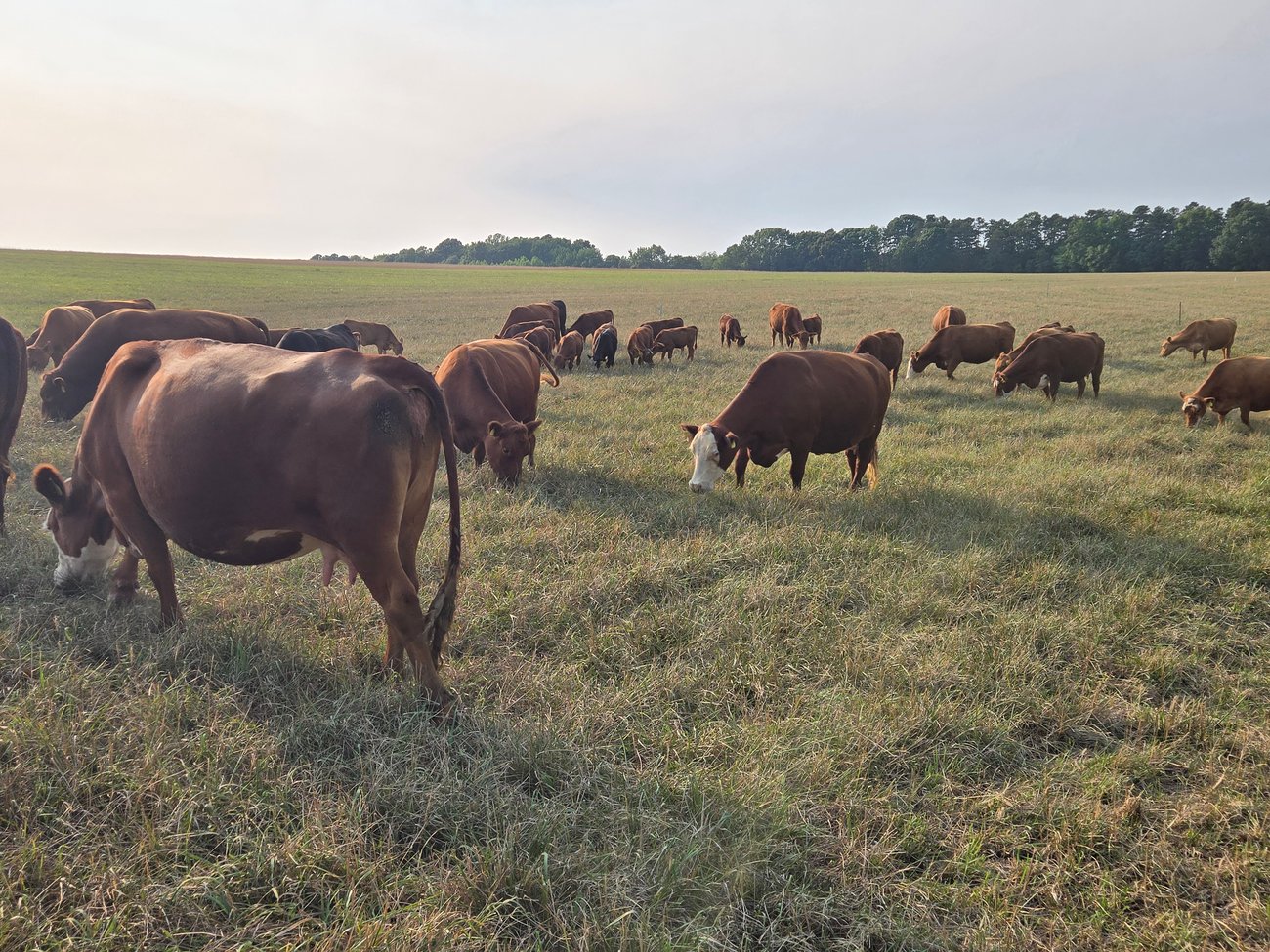
Welcomed Rain Could Spark Foot Rot Concerns for Cattle Producers |
 |
|
|
|
Don’t let lameness stall herd performance. Simple environmental tweaks and proper mineral programs can keep foot rot at bay this summer.
Written by Angie Stump Denton; appeared on Drovers E-newsletter July 23, 2026; adapted by Kim Woods
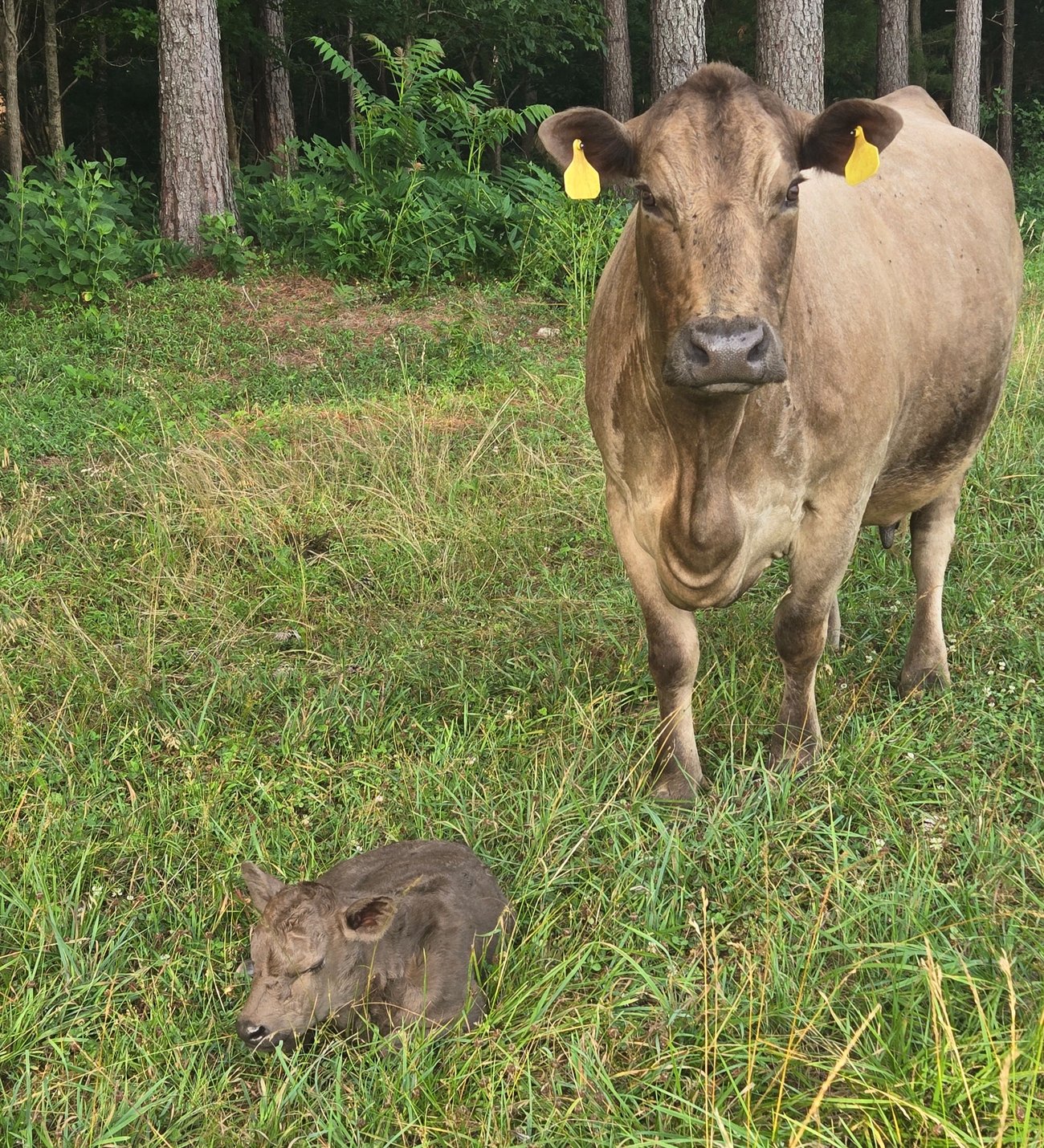
This summer has been hot and the recent rains have added water to ponds and creeks and may have caused some muddy areas in pastures. Cattle seek relief in ponds, creeks and muddy pastures and that can increase the threat of foot rot, which is caused by bacteria.
Left unchecked, foot rot can severely limit herd mobility, reduce weight gain, lower milk production and drive up treatment costs. Fortunately, proactive environmental management and a solid treatment plan can protect both the herd’s health and a producer’s bottom line.
Foot rot, a highly infectious skin and hoof disease characterized by severe inflammation of the tissue between the toes, occurs when a couple of different bacteria breach the natural barrier of the hoof and causes an infection. Symptoms include:
-
Sudden, severe lameness or favoring of a limb.
-
Symmetrical swelling and redness of the interdigital tissue (between the toes) and the surrounding coronary band.
-
Necrotic (decaying) lesions that emit a distinct, foul odor.
-
A noticeable reduction in appetite, milk production and overall weight gain.
Delayed treatment can lead to the infection migrating deeper into the joint, causing extreme swelling around both digits and potentially separating the hoof claw.
Foot rot is often seen in summer because cattle seek out moist areas to deal with our heat and humidity. Fescue toxicosis can add to that need to try and stay cool. Standing in water and mud can make the hoof softer which makes it more susceptible to abrasions from rocks and rough terrain. This allows those bacteria to penetrate into the hoof.
Strategies to help prevent foot rot include:
-
Manage the Environment by limiting water exposure, provide adequate shade and manage fescue toxicosis.
-
Provide a balance nutrition program including free choice minerals that provide zinc, selenium and copper which help maintain skin and hoof wall integrity.
-
Proper hoof care includes selecting animals with structurally sound hooves and limiting time on abrasive or sharp surfaces like rocks, gravel and concrete.
Having a treatment plan, which will involve a veterinarian, is key to quick intervention when you do see foot rot is key to limiting permanent joint damage and minimizing performance losses. Considerations for dealing with foot rot include treatment with antibiotics and a topical antimicrobial agent, hoof trimming by a professional to remove potentially necrotic tissue and isolation in a clean, dry pen. With treatment, improvement should appear within three to four days.
Animals with recurring foot rot should be culled. |
|
|
|
|
|
Disaster Assistance for 2026 Livestock Forage Losses |
|
|
|
Producers are eligible to apply for 2026 Livestock Forage Disaster Program (LFP) benefits on small grain, native pasture, improved pasture, annual ryegrass, forage sorghum.
LFP provides compensation if you suffer grazing losses for covered livestock due to drought on privately owned or cash leased land.
You must complete a CCC-853 and the required supporting documentation no later than March 1, 2027 for 2026 losses.
For additional information about LFP, including eligible livestock criteria, contact your local service center or visit https://www.fsa.usda.gov/resources/disaster-recovery/livestock-forage-disaster-program-lfp
Additionally, ELAP (Emergency Assistance for Livestock, Honeybees and Farm-Raised Fish Program) provides assistance to eligible producers of livestock, honeybees and farm-raised fish for losses caused by disease or certain adverse weather events, which includes the drought we have experienced this year. This program can assist with feed and water transportation costs or if you have hauled livestock to forages. Additional information can be found at fsa.usda.gov/ELAP or call your county FSA office - Person County 336-599-0284; Granville County 919-693-7345
|
|
|
|
|
|
|
|
Farm Emergencies |
 |
|
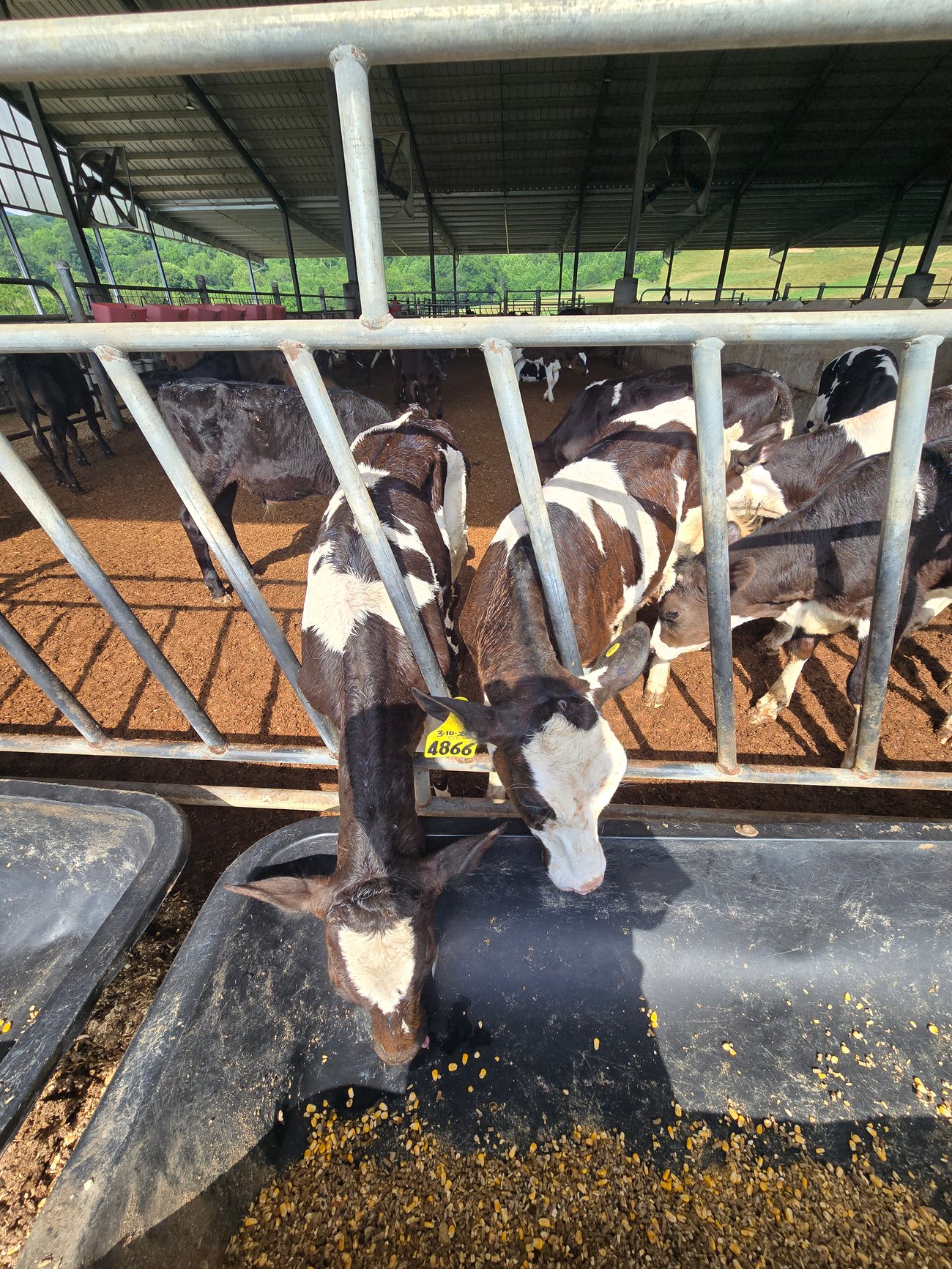
No one wants to think about an emergency on their farm. But it can happen. Whether we’re talking about hurricanes, winter weather or a barn fire, farmers are not immune to having emergencies to deal with. Having a plan in place before that emergency happens can be very beneficial to helping you, your people, your animals and your farm survive.
NCDA has a great Emergency Plan Template located here: https://www.ncagr.gov/media/629/download?attachment
Even if you don’t follow every detail, this will get you to thinking about how to handle things on your place.
Some basic things or steps include:
-
Establish an emergency plan
-
Secure equipment: place large equipment in covered area or tie down
-
Clear debris from drainage ditches
-
Remove dead or damaged trees
-
Keep livestock barns, gates, and fencing in good repair
-
Prepare farm vehicles, machinery and generator: gasoline and oil
-
Stay connected with local emergency or management agencies
-
Take farm inventory of livestock and equipment
-
Regularly review insurance policies
-
Secure animals: move to secure pastures or higher locations. Never leave livestock in closed barn.
-
Make sure your animals are current on all vaccinations
-
Purchase additional feed, hay, and water supplies several days before a hurricane. These items might not be available after the storm.
-
Stock up on basic veterinary supplies and have restraint equipment for restraining injured animals that need veterinary assistance.
-
Livestock identification: permanent is best
-
Assemble livestock emergency kits
Unfortunately, there have been some hay barn fires in the area over the years. Would you be prepared if you barn with animals had a fire? Here are some things to pull together for that situation:
-
ABC rated Fire Extinguisher
-
Bolt cutters and/or heavy-duty wire cutters
-
Good utility knife
-
Flashlights and headlamps with extra batteries
-
A well-stocked first aid kit for both people and livestock
-
Extra halters and lead ropes
-
Work gloves
-
Portable phone chargers or power banks
-
Battery-powered weather radio
-
Spare batteries
-
Fire blankets
-
Basic hand tools
It’s not easy to think about these what-ifs. But planning ahead can save precious minutes when every second counts. Being ready with the right equipment, a clear plan, and a well-stocked emergency kit can help protect you, the animals, and your farm. |
|
|
|
Crops Section |
|
Farmers for soil health |
|
|
|
The North Carolina Soybean Growers Association administers the Farmers for Soil Health (FSH) cover crop incentive program. Enrollment this year looks different than it has in the past.
In short, farmers who plant a cover crop in the Fall of 2026 and follow with an eligible cash crop will receive $35 per acre, up to 2,000 acres. To get started, all they need to do is set up an account at farmersforsoilhealth.com/enrollment/ by August 31st.
To provide further insight into the program, these are the basic eligibility requirements:
-
Fields can be new to cover crops or previously planted with cover crops — crop history does not matter
-
A cover crop, which cannot be harvested for grain, must be followed by an eligible cash crop.
-
Eligible cash crops include corn, soybeans, cotton, sorghum, or wheat.
-
Wheat can be the cover crop, but only if it is not harvested the following year.
-
Cover crops can be baled for hay or grazed.
And here is an overview of what growers will need to do to participate in the program:
-
Create an account by visiting the "Enrollment" page on the FSH website - https://farmersforsoilhealth.com/enrollment/ or go directly to https://enrollment.dtn.com/
-
Work with a technical advisor (contact information below) to determine which fields will have cover crops
-
Let their county FSA agent know they are participating in the program and that they give consent for the agent to provide the technical advisor with documents related to their farm (i.e., subsidiary prints, 156EZ).
-
Provide the FSH technical advisor with the FSA agent's contact information (name, county, email, phone).
-
In 2027, provide a W-9 form in order to receive payment.
It should be noted that the last day to create an account is August 31st. This is not the cutoff for enrollment as the Technical Assistants (TAs) will continue to reach out after August 31st, but interested growers must have their accounts set up by then.
Here are the TAs in North Carolina:
| Fred Teasley |
NC Soy (Primary) |
fteasley@ncsoy.org |
(919)706-1840 |
| Kelly O'Reilly |
NC Soy |
koreilly@ncsoy.org |
(562)760-5301 |
| Austin Menker |
NC State Extension |
aemenker@ncsu.edu |
|
Should growers need additional assistance, please reach out to one of the above individuals. |
|
|
|
|
|
4-H Youth Development
Lina Howe, Extension Agent |
|
|
|
|
|
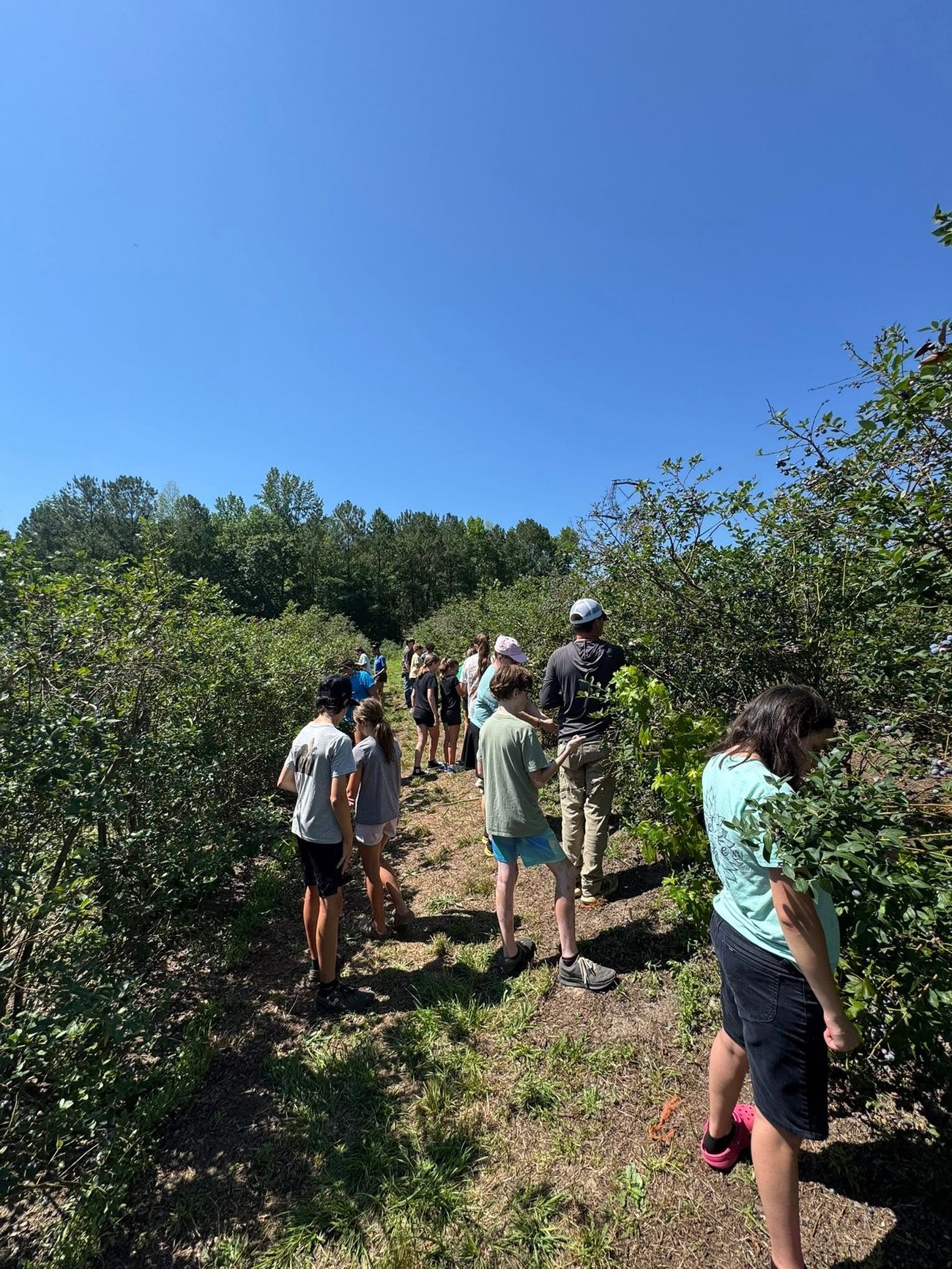
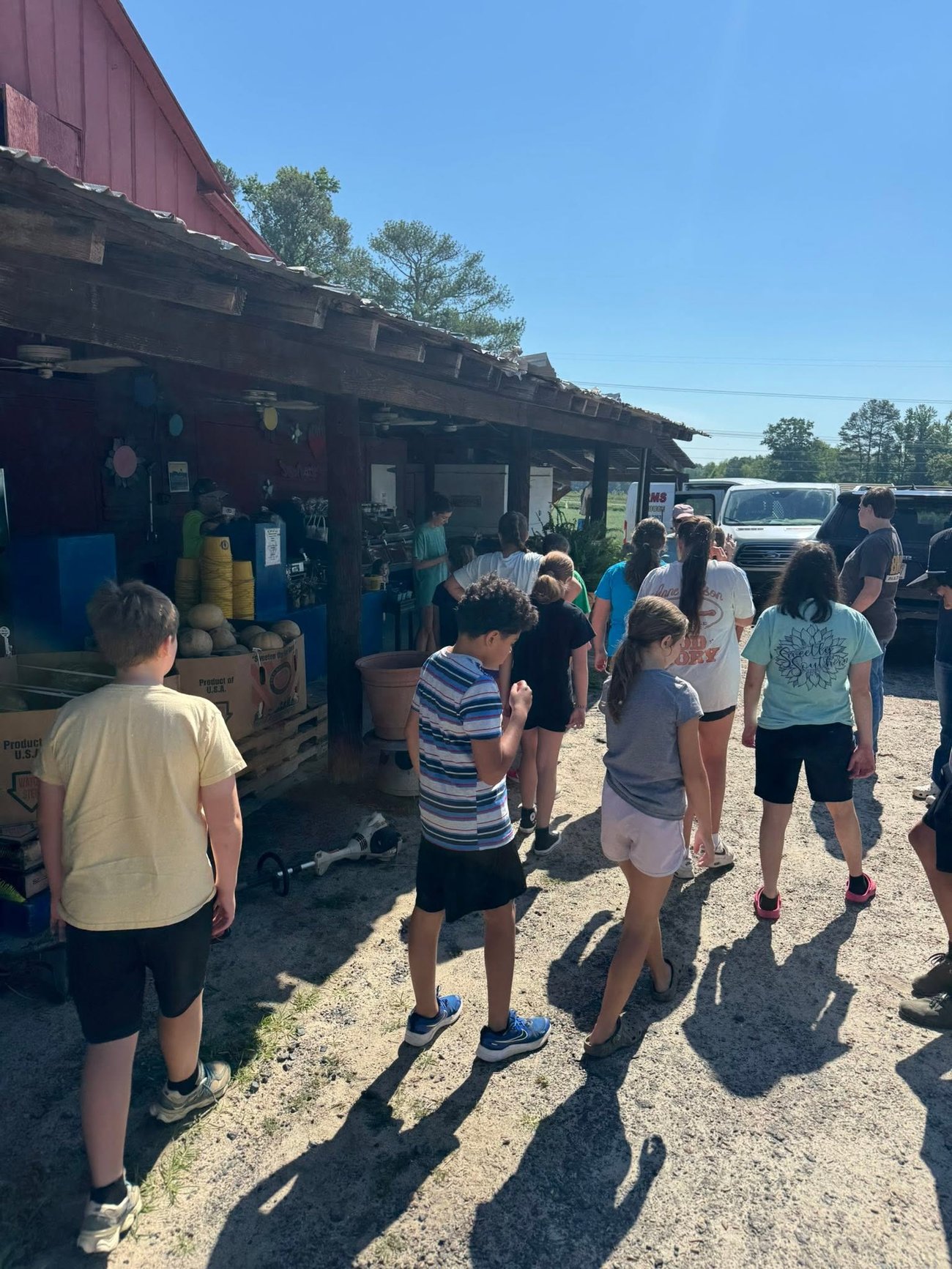
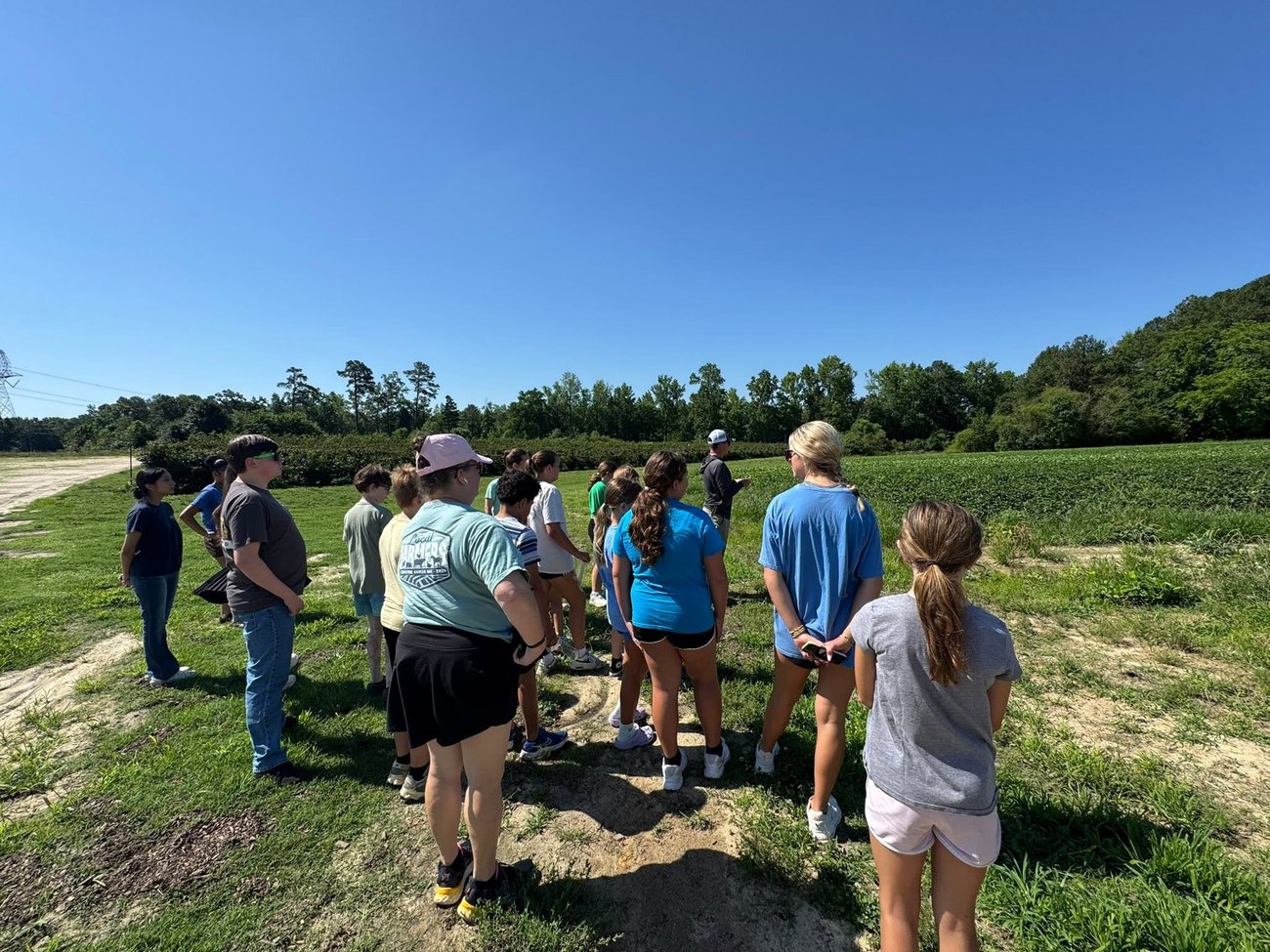
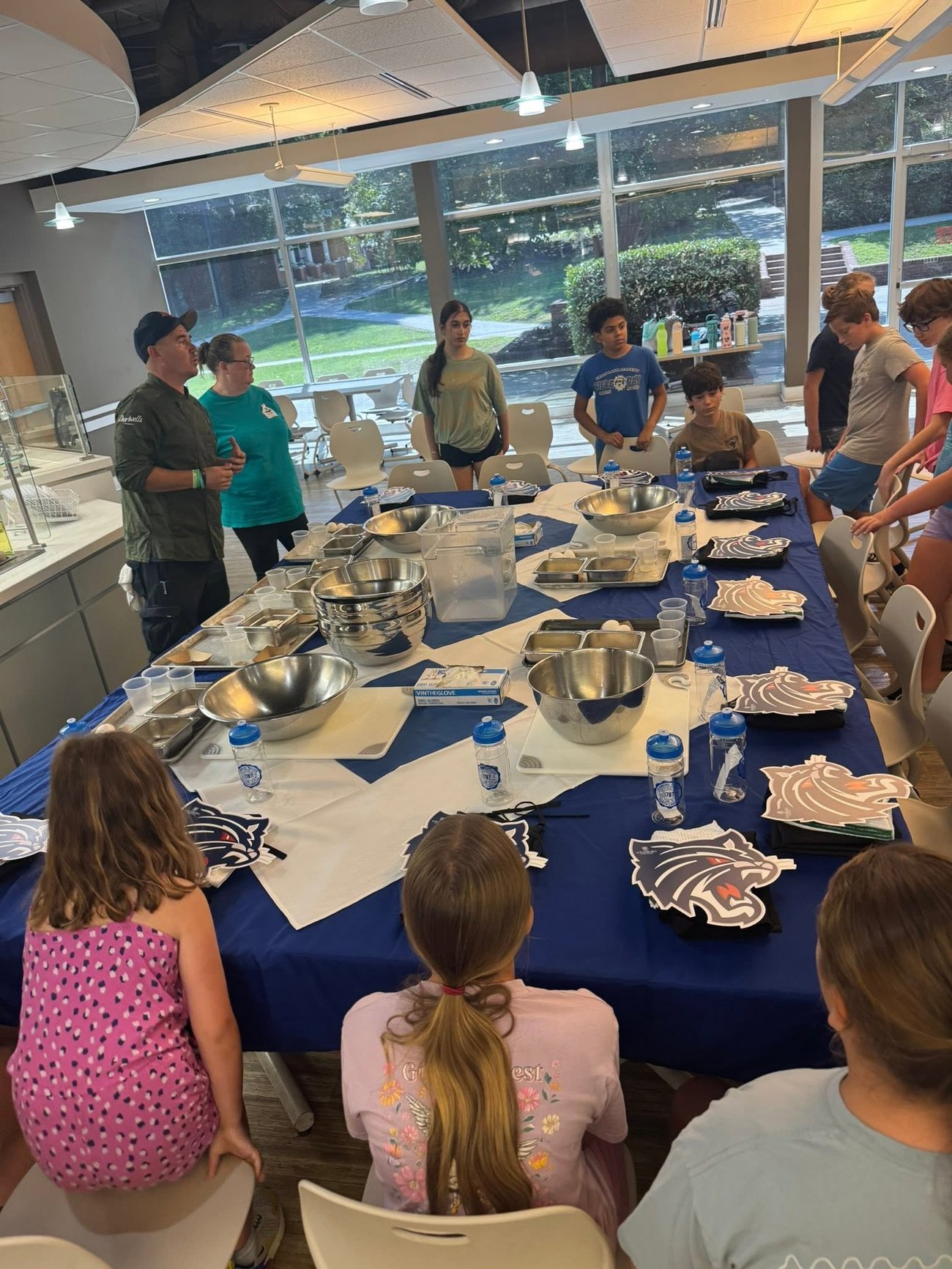
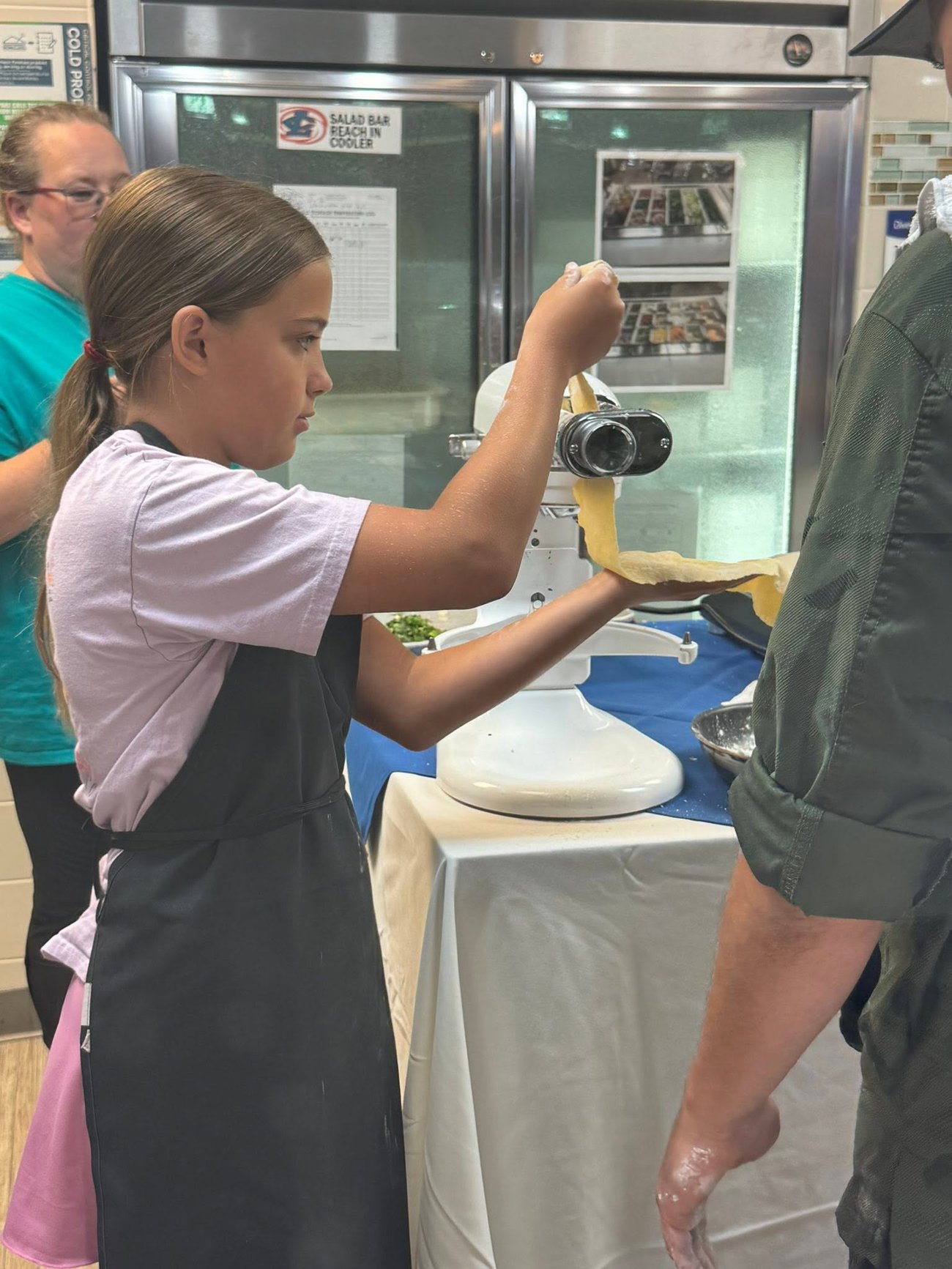
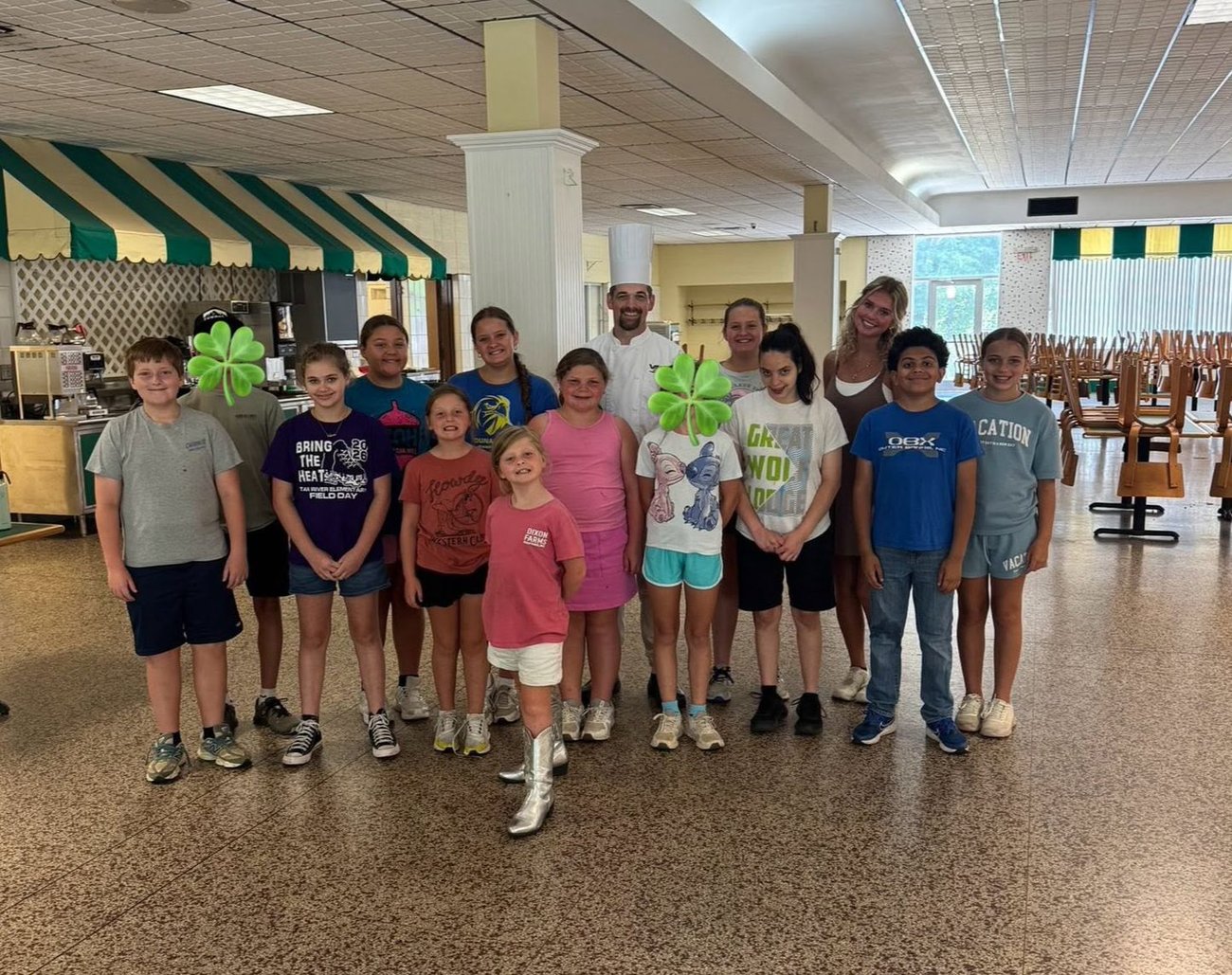
From farm to Chef camp was fantastic! Tuesday, June 30th we visited Lyon Farms, explored the farm with Farmer Troy picked (and ate) beautiful blackberries and blueberries and learned how different produce grows and how the drought has affected agriculture this year. We also visited the Ripe for Revival Market in Butner and enjoyed a fun play session at the Gazebo park. July 1st, we were hosted by Louisburg College to have an amazing chef experience! Members made their own pizza dough, pasta dough, marinara sauce, rolled and cut their pasta and make their pizzas in a wood fired oven, enjoyed a blueberry and blackberry compote from their hand picked berries and learned about kitchen safety! Thank you to Chef Steven for a PHENOMENAL DAY. |
|
|
|
|
|
|
 |
|
|
|
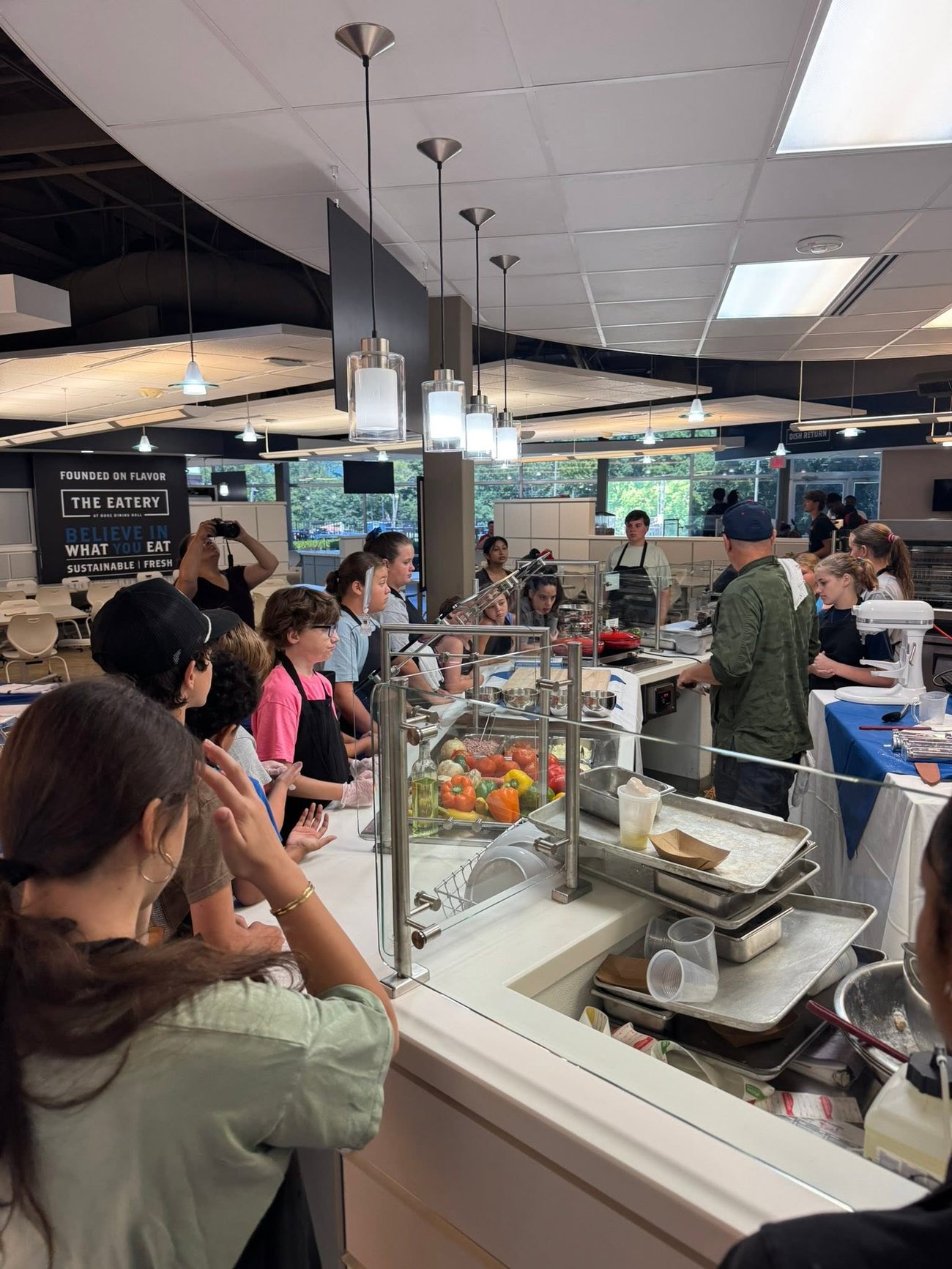
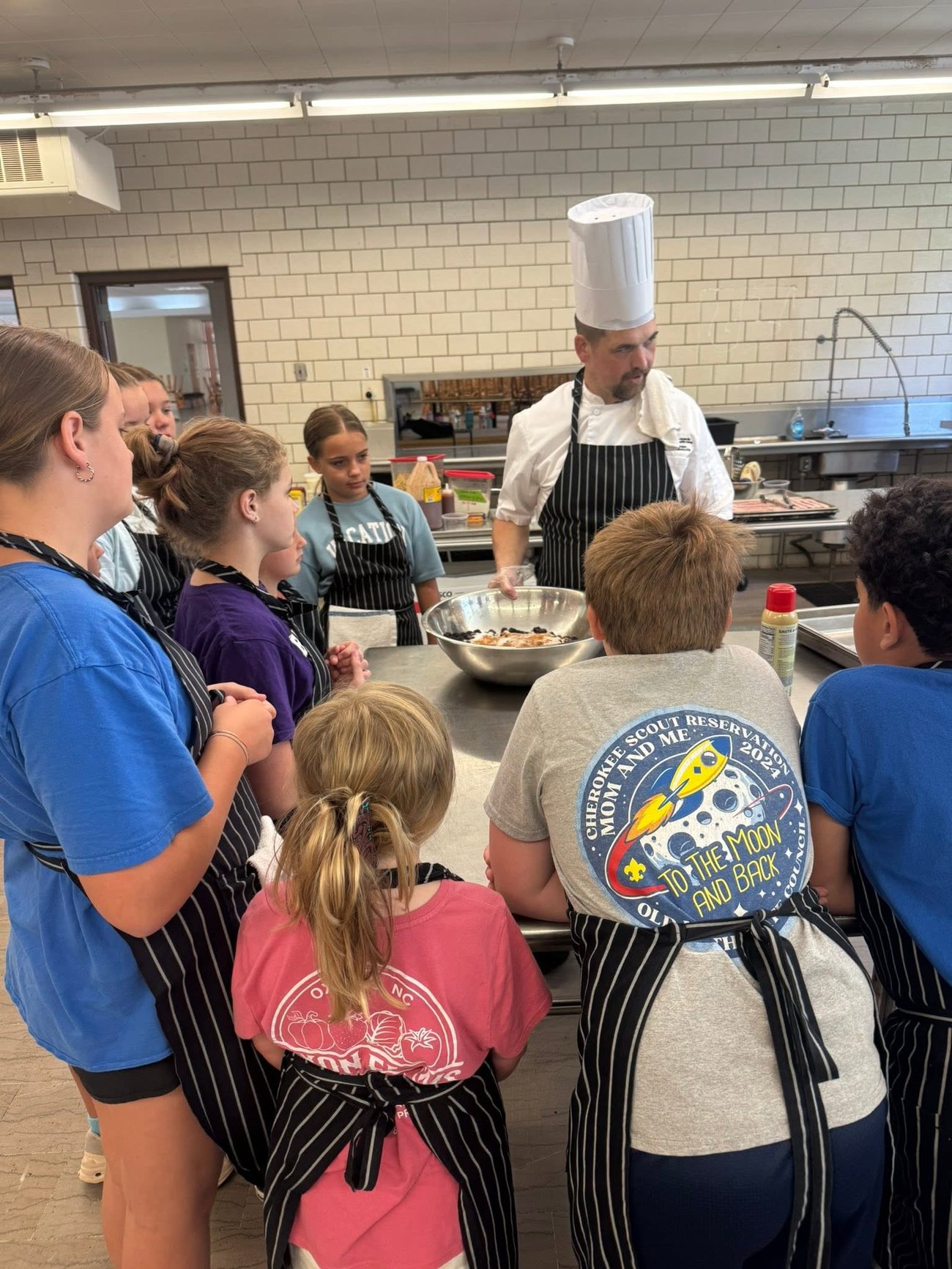
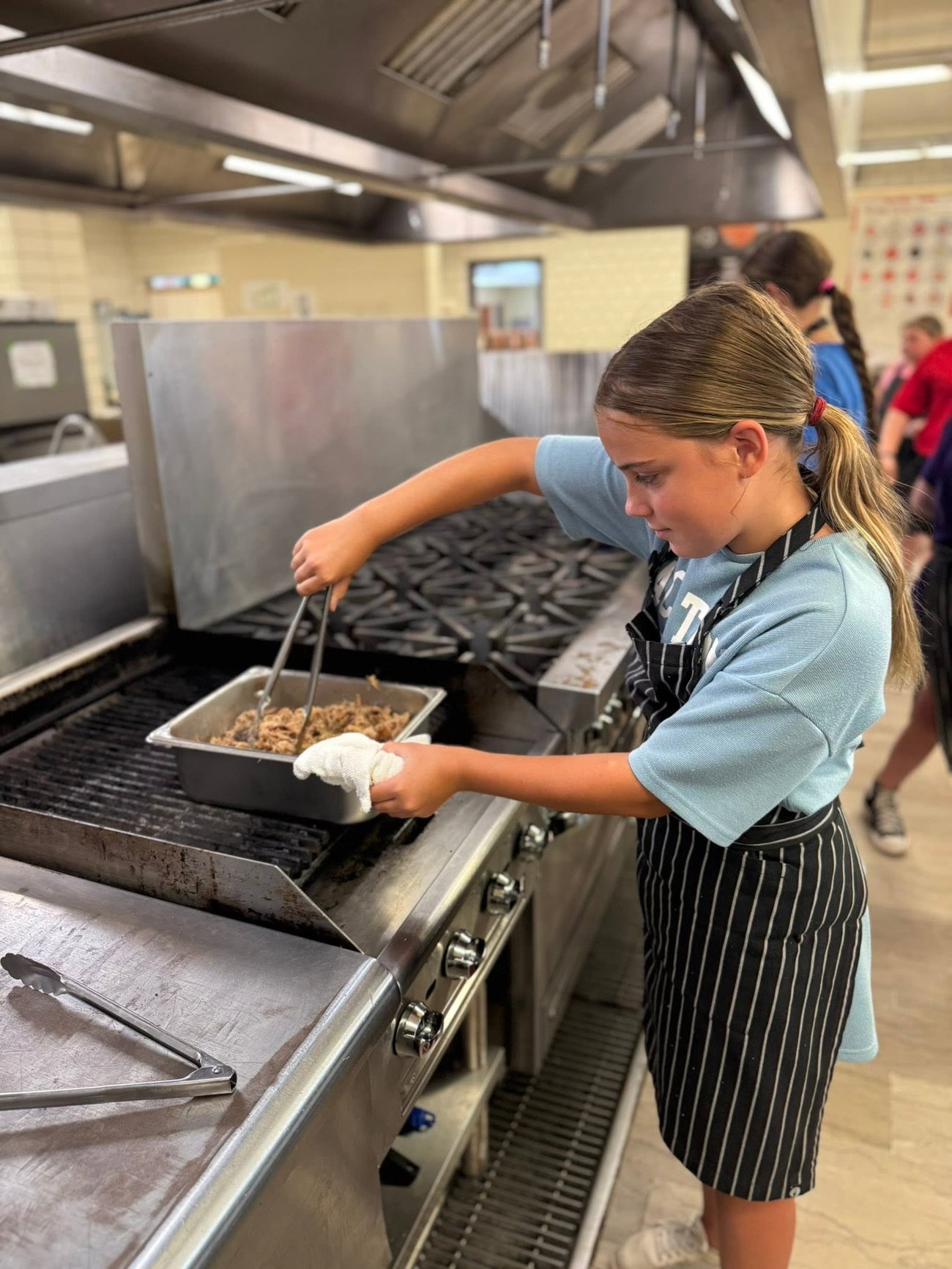
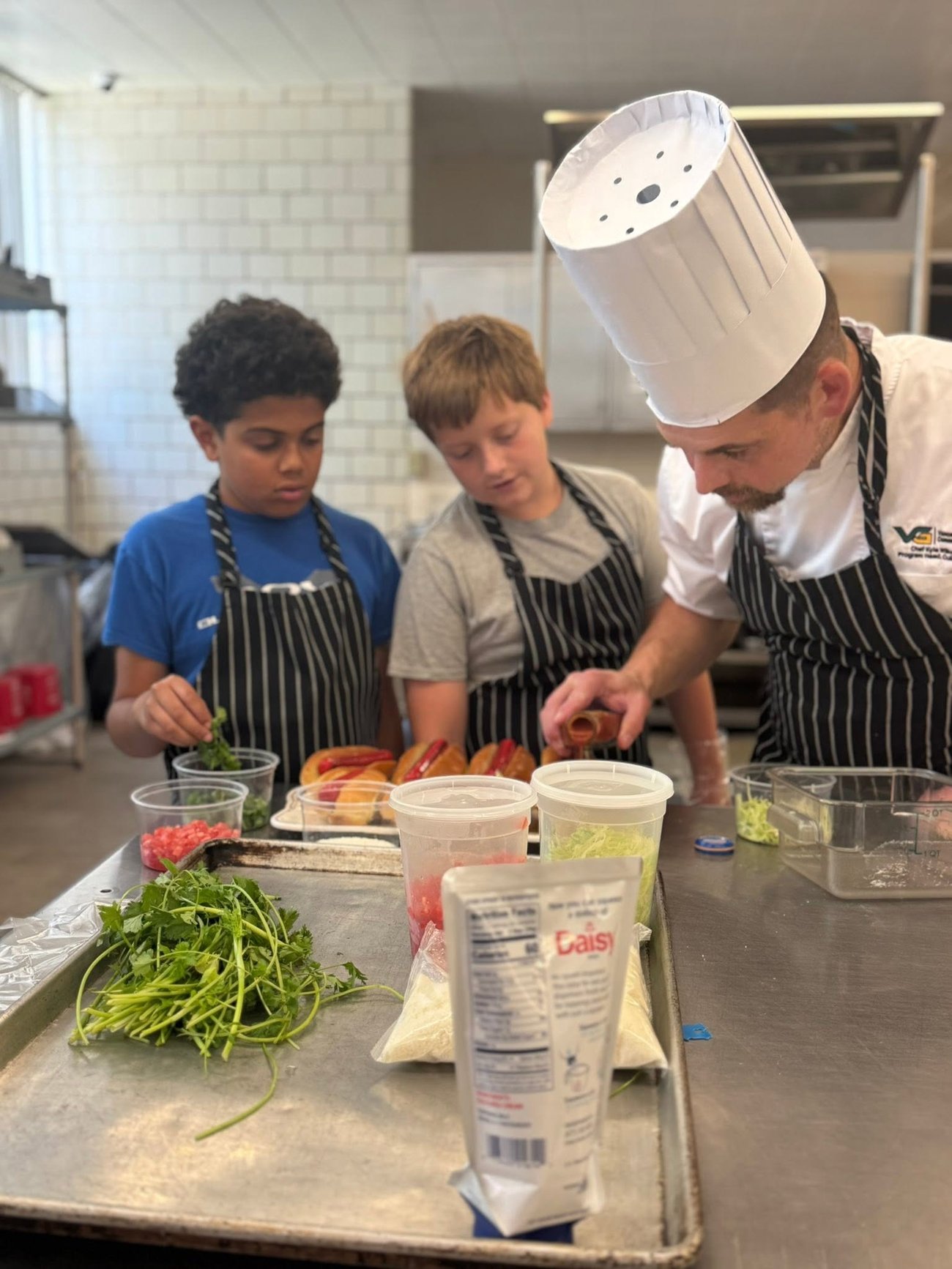
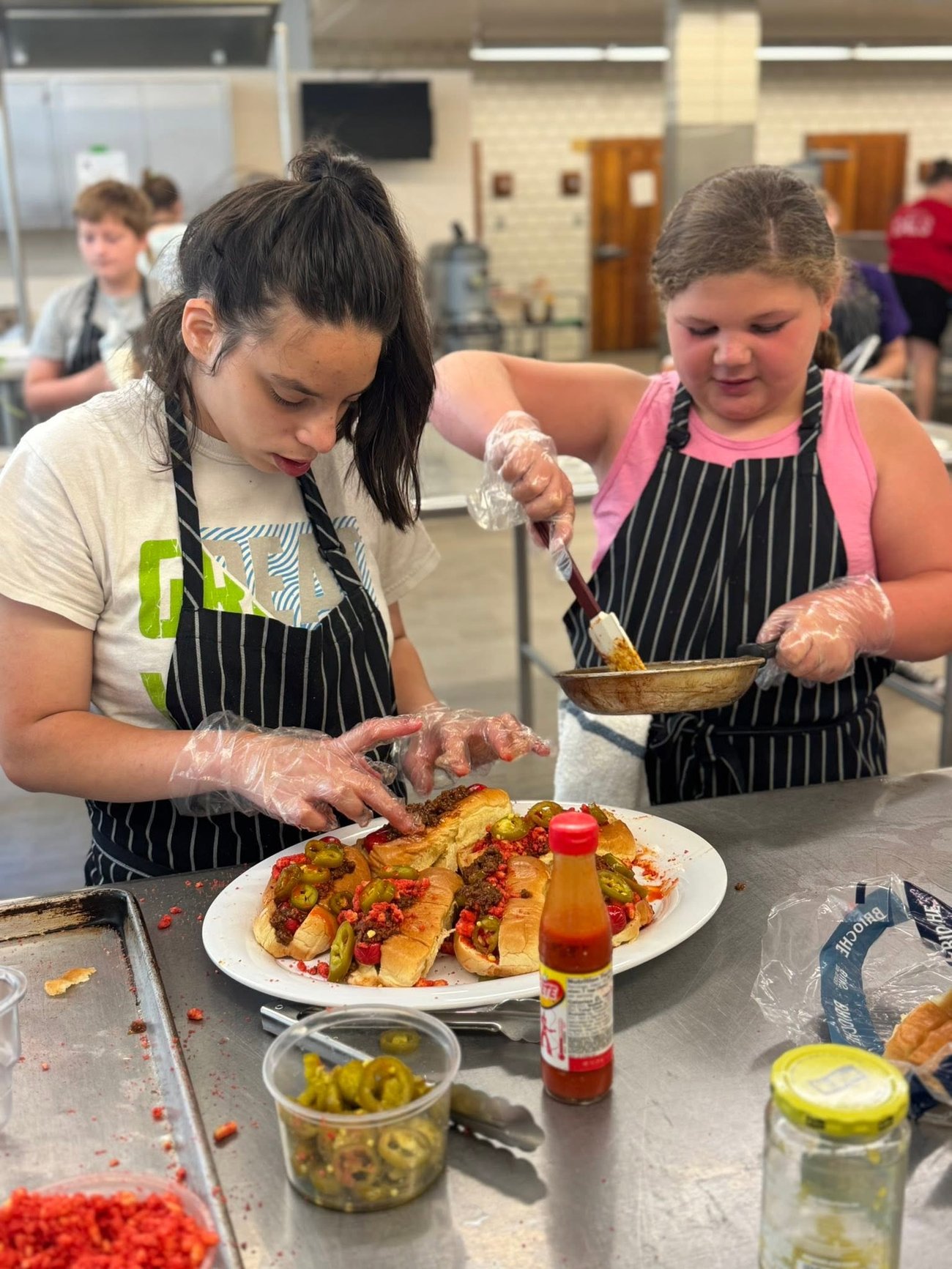
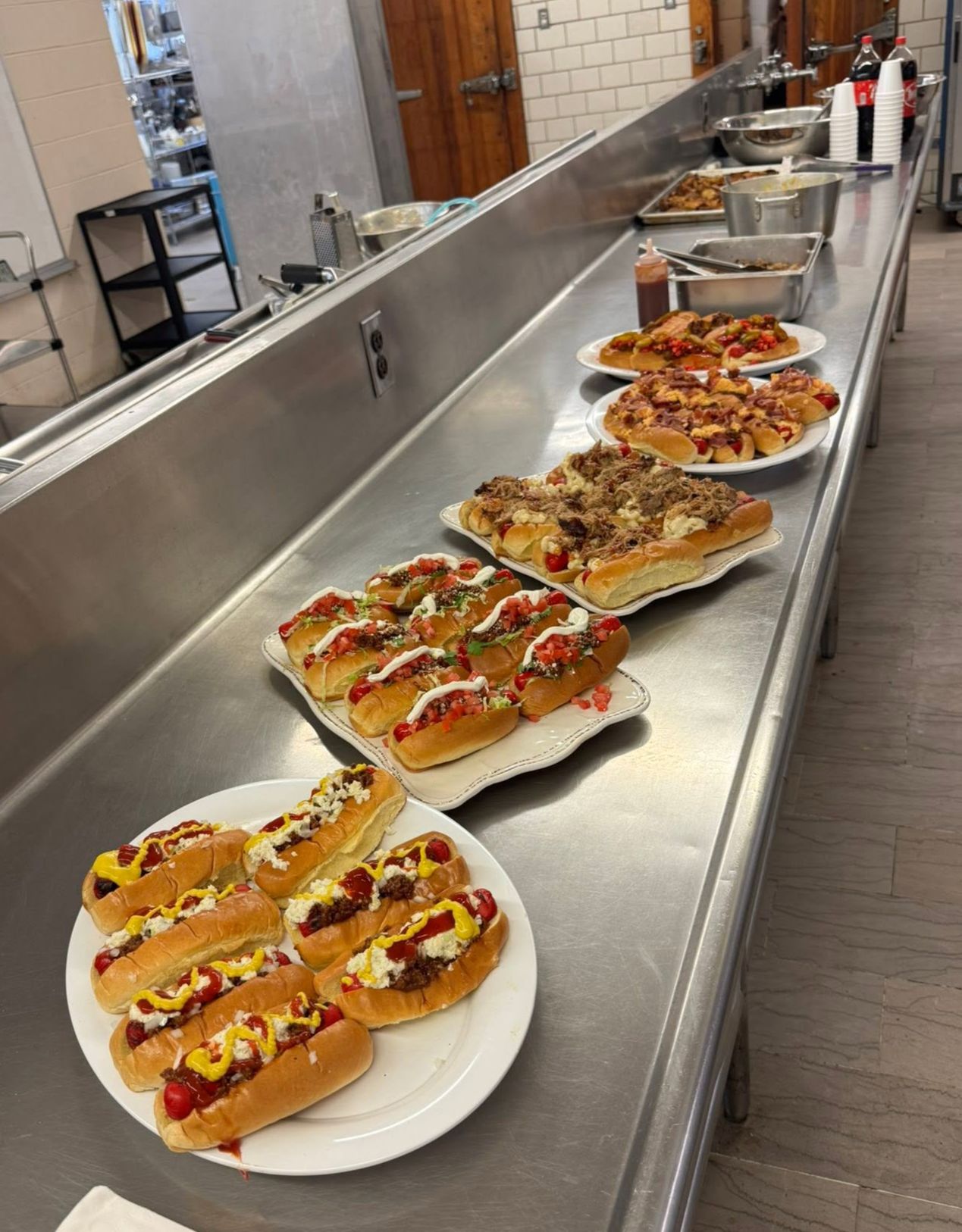
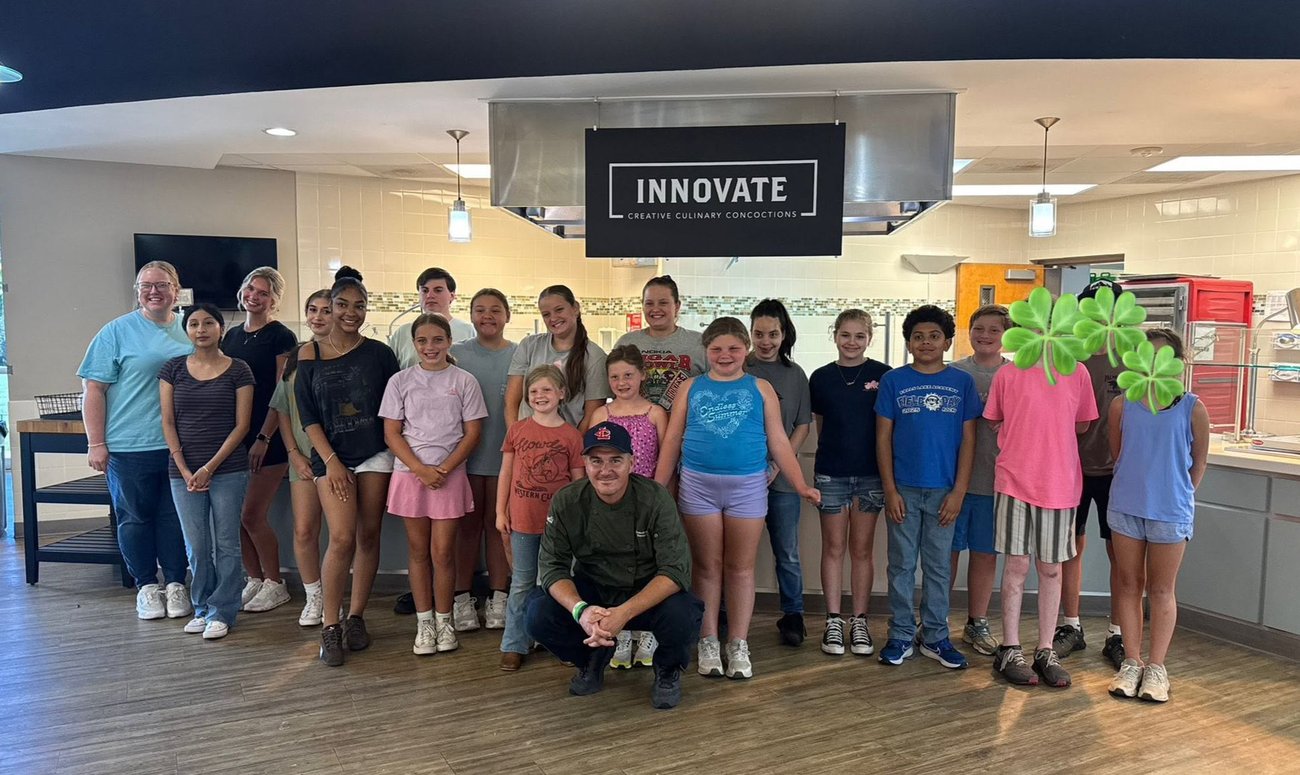
We finished our From Farm to Chef camp with a fun day with VGCC Culinary Arts and Chef Kyle! The kids cooked, prepped and topped different flavors of hotdogs to get an early start on July 4th celebrations! Many Youth used a grill, flat top, and gas range for the first time! We also learned kitchen safety and knife skills. What a great week! |
|
|
|
|
|
|
|
|
|
|
|
4-H State Presentation Finals
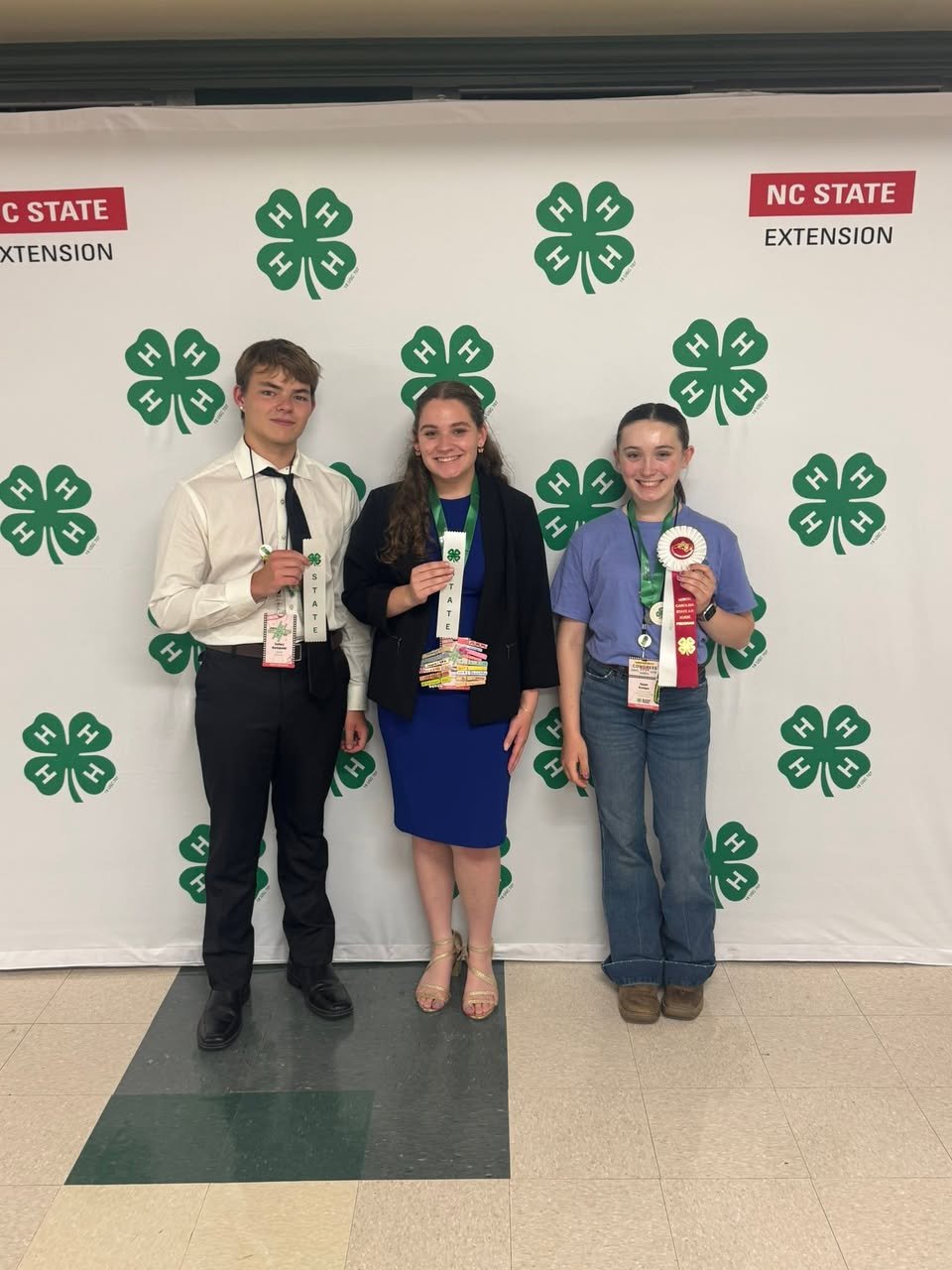
N.C. 4-H State Presentation finals was July 21st and we had 4 finalists!
Addison Galloway- Small Animals- SILVER, Harper Brannigan- Horse- SILVER, Grace Allred- Hospitality- SILVER, Zach Maciejewski- State Finalist
We are so proud of the hard work and dedication these youth have put into their presentation projects. What a huge accomplishment!
|
|
|
|
|
|
|
|
|
|
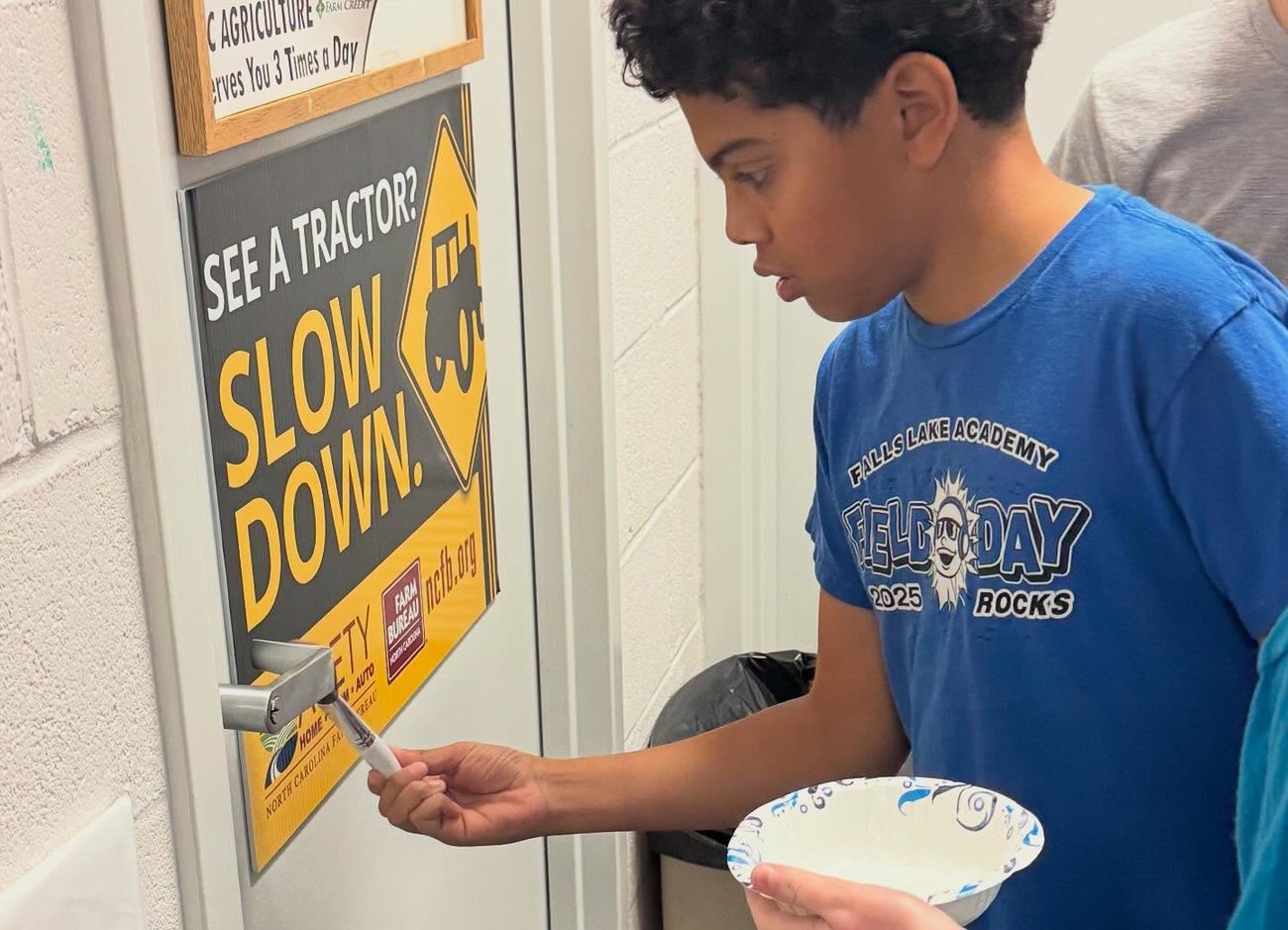
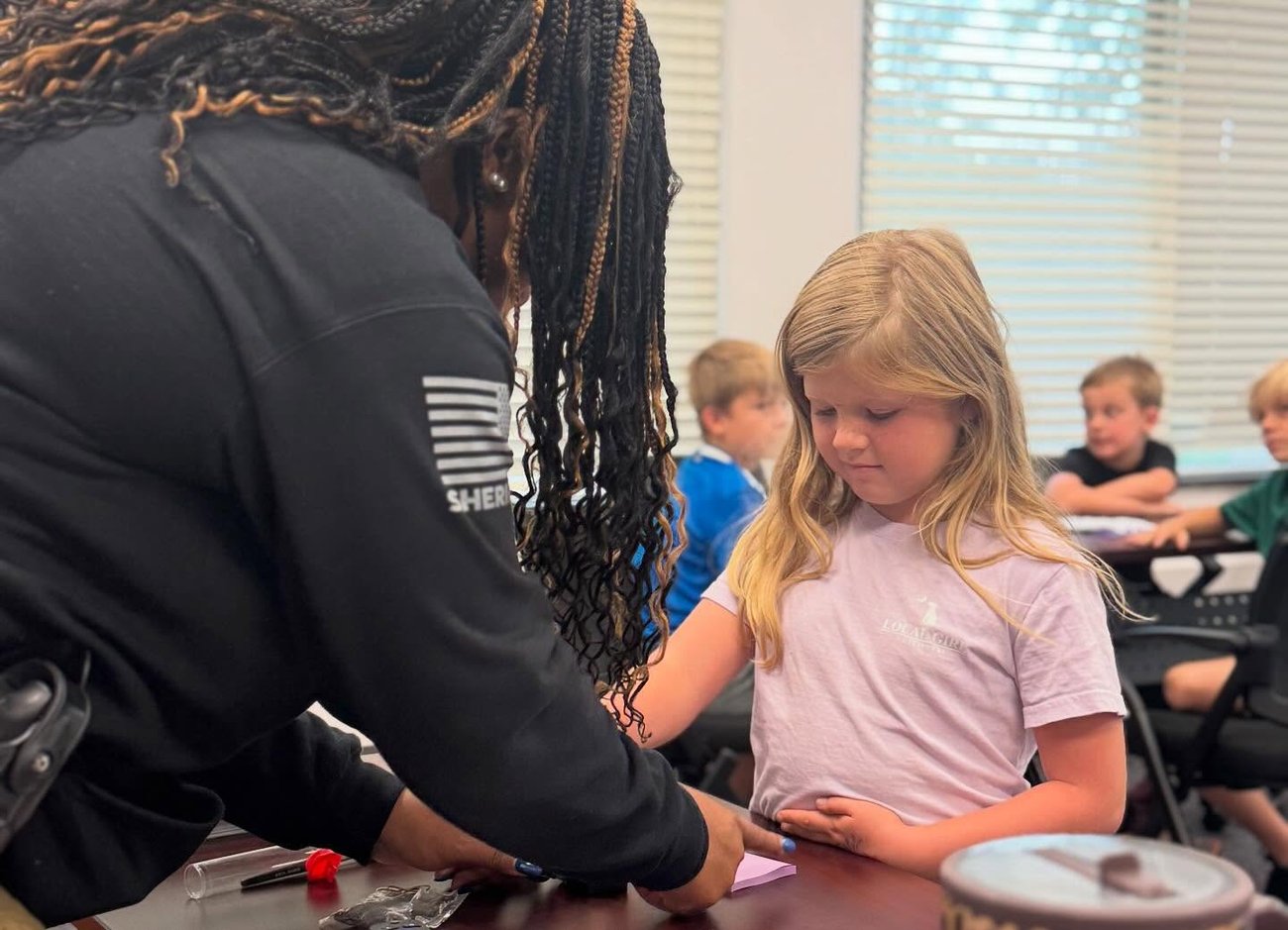
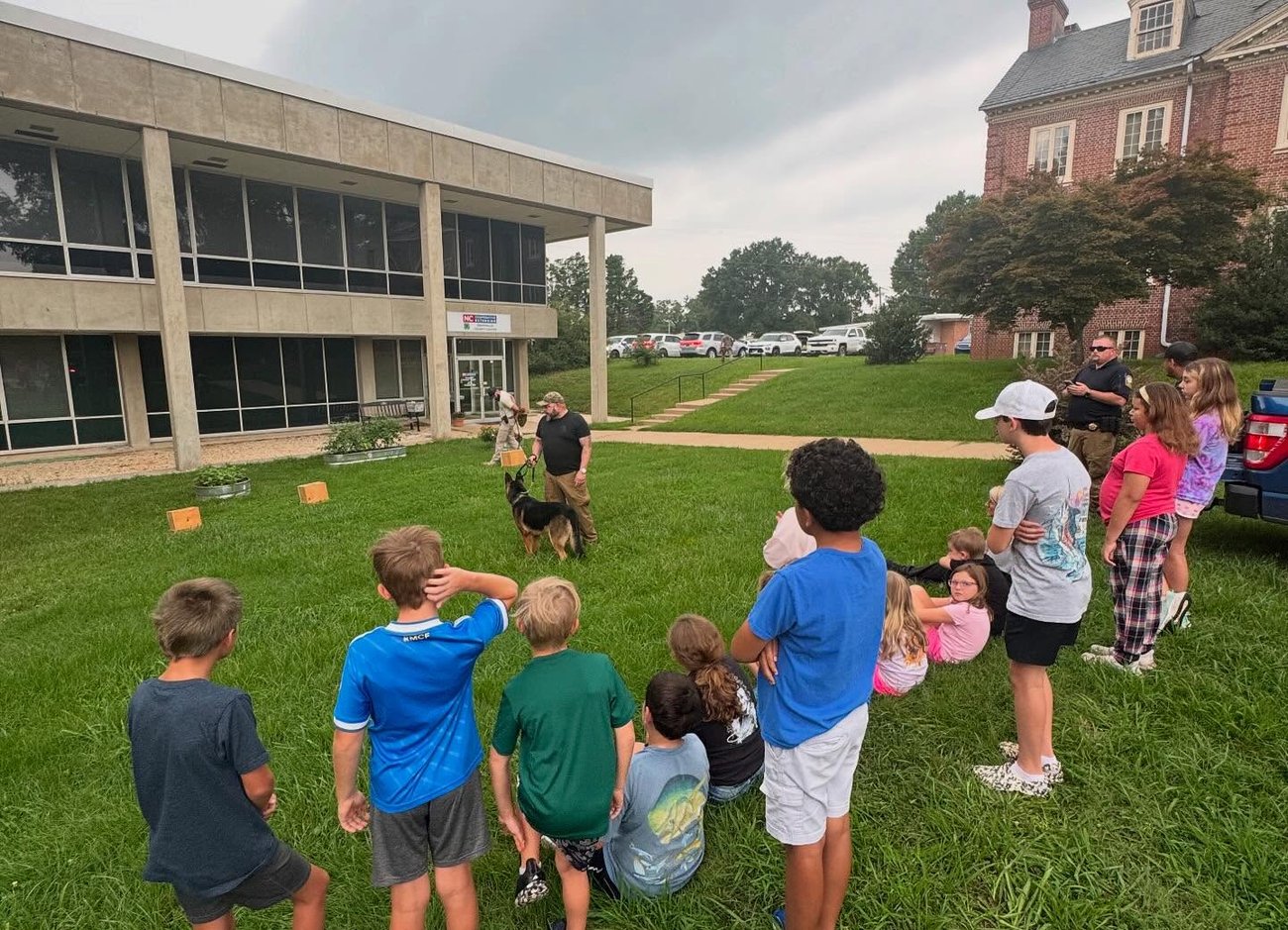
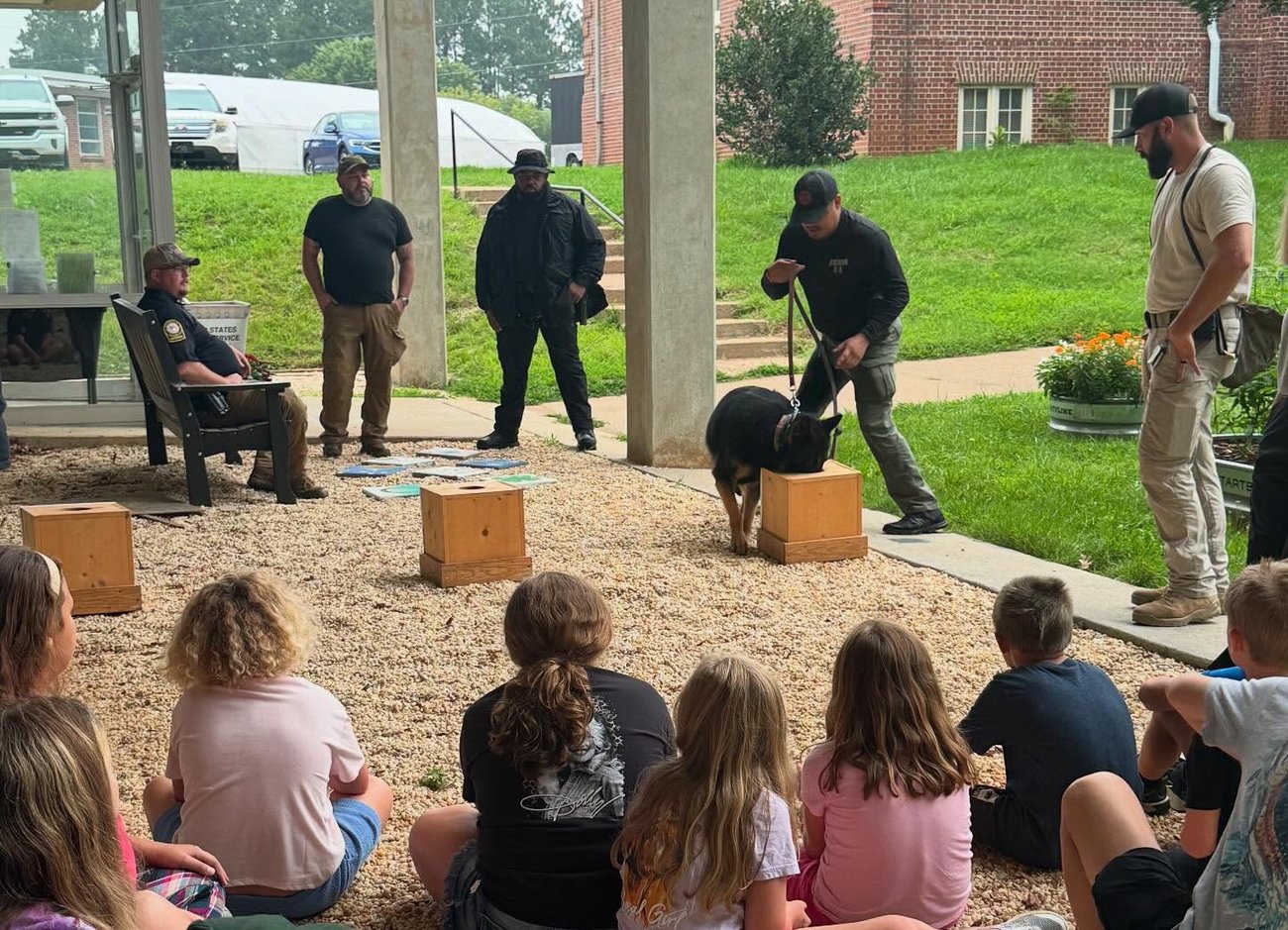
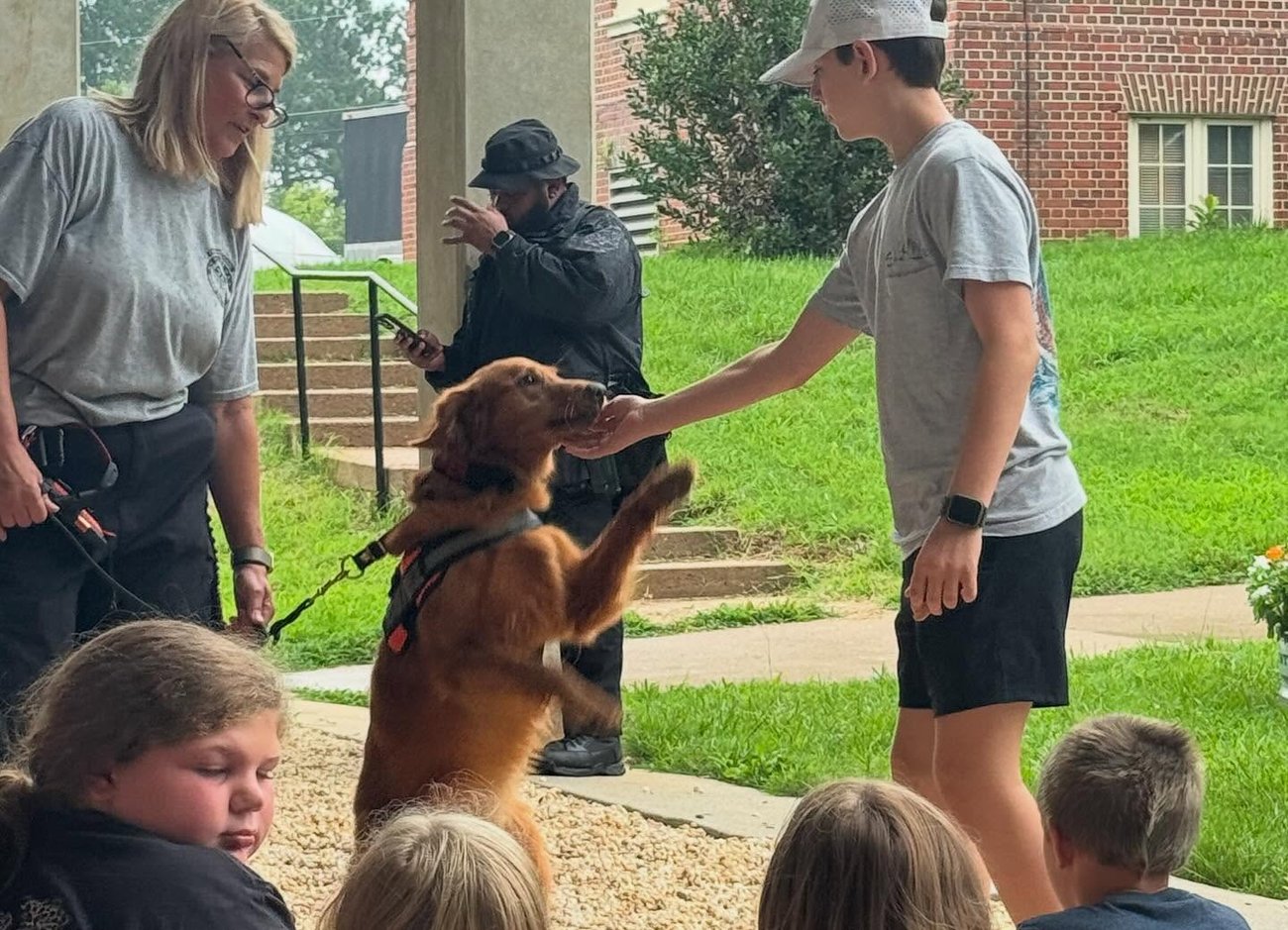
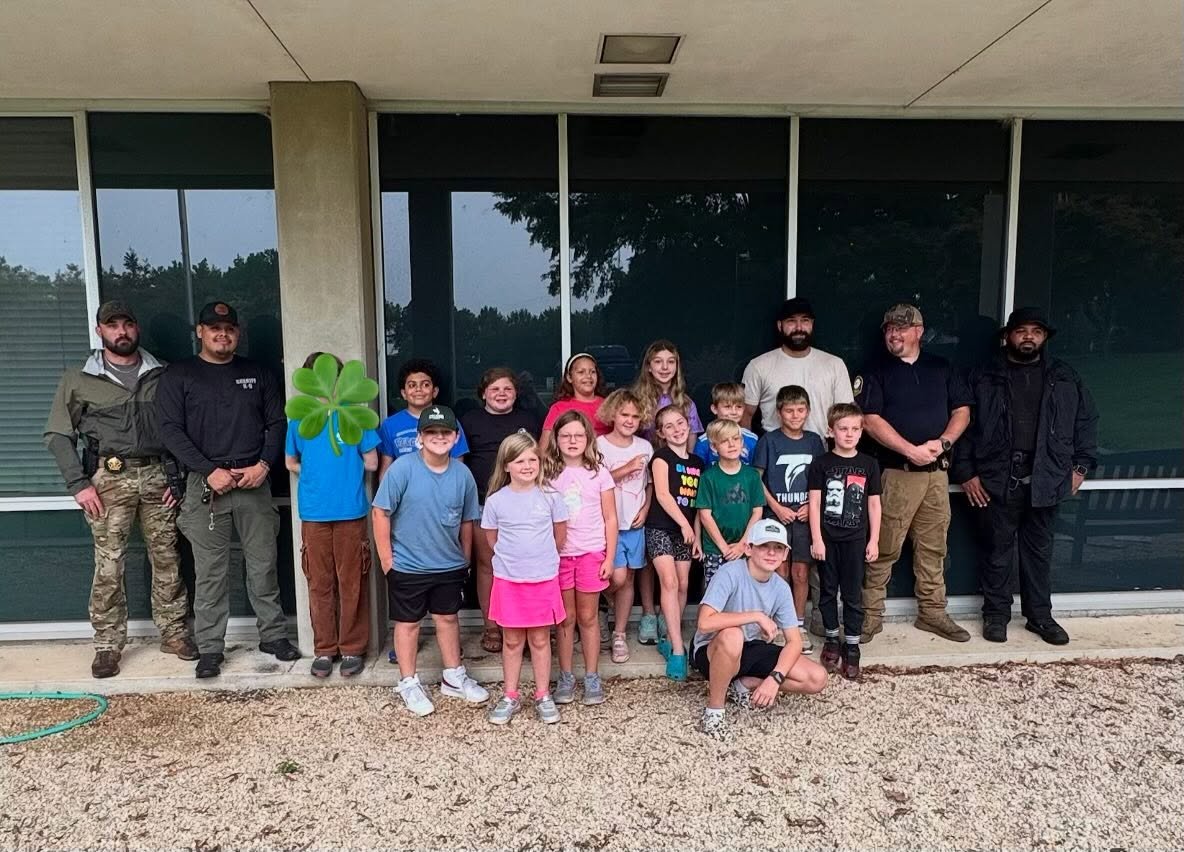
Huge shout out to the Granville County Sheriff’s Office for visiting us today for day one of the “4-H Investigates Camp” The kids learned about finger printing, hunted for finger prints, made finger print molds, watched the K-9 officers search and got to meet and pet a very sweet cadaver dog! We also learned how a drone can detect heat signatures and how high and far it can go from the operator. A super fun day! |
|
|
|
|
|
|
|
|
|
|
|
Consumer/Commercial Horticulture
Johnny Coley, Area Agent - Agriculture |
|
|
|
|
|
|
|
|
|
NEW Position Available |
|
Join our Extension Team in Granville and Person county offices by applying for our Field Crops Area Agent position! More Information & Apply at: https://jobs.ncsu.edu/postings/232483 |
 |
|
|
|
|
|
Stay connected, stay curious, and take advantage of the many programs, resources, and opportunities available through our office. Whether you’re growing a garden, supporting youth development, improving your health, or strengthening your farm or community, we are here to help. Thank you for being part of our Extension family, and we look forward to serving you throughout the season ahead! |
 |
|
For more information and event updates, visit our website at https://granville.ces.ncsu.edu/ |
|
|
|
|
|
 |
|
|
|
|
NC State University and N.C. A&T State University work in tandem, along with federal, state and local governments, to form a strategic partnership called N.C. Cooperative Extension.
This institution is an equal opportunity provider.
N.C. Cooperative Extension - Granville County, 125 Oxford Loop Rd, Oxford, NC 27565, United States
Click here to unsubscribe
By clicking unsubscribe above, you will unsubscribe from ALL electronic newsletters from this county office. If you would like to unsubscribe from specific mailings, please reply to this email and let us know what program you are no longer interested in receiving electronic communications from. |
|
|
|
|