|
|
|
 |
|
|
NC Cooperative Extension - Person County Center Monthly Newsletter - August 2026 |
|
Each month, we will have updates on ALL of our program areas, including Livestock, Horticulture, Field Crops, 4-H & Youth Development, and Family Consumer Sciences. So, if the section you are interested in is not at the top, just scroll down to find your section. |
|
|
|
|
|
|
 |
|
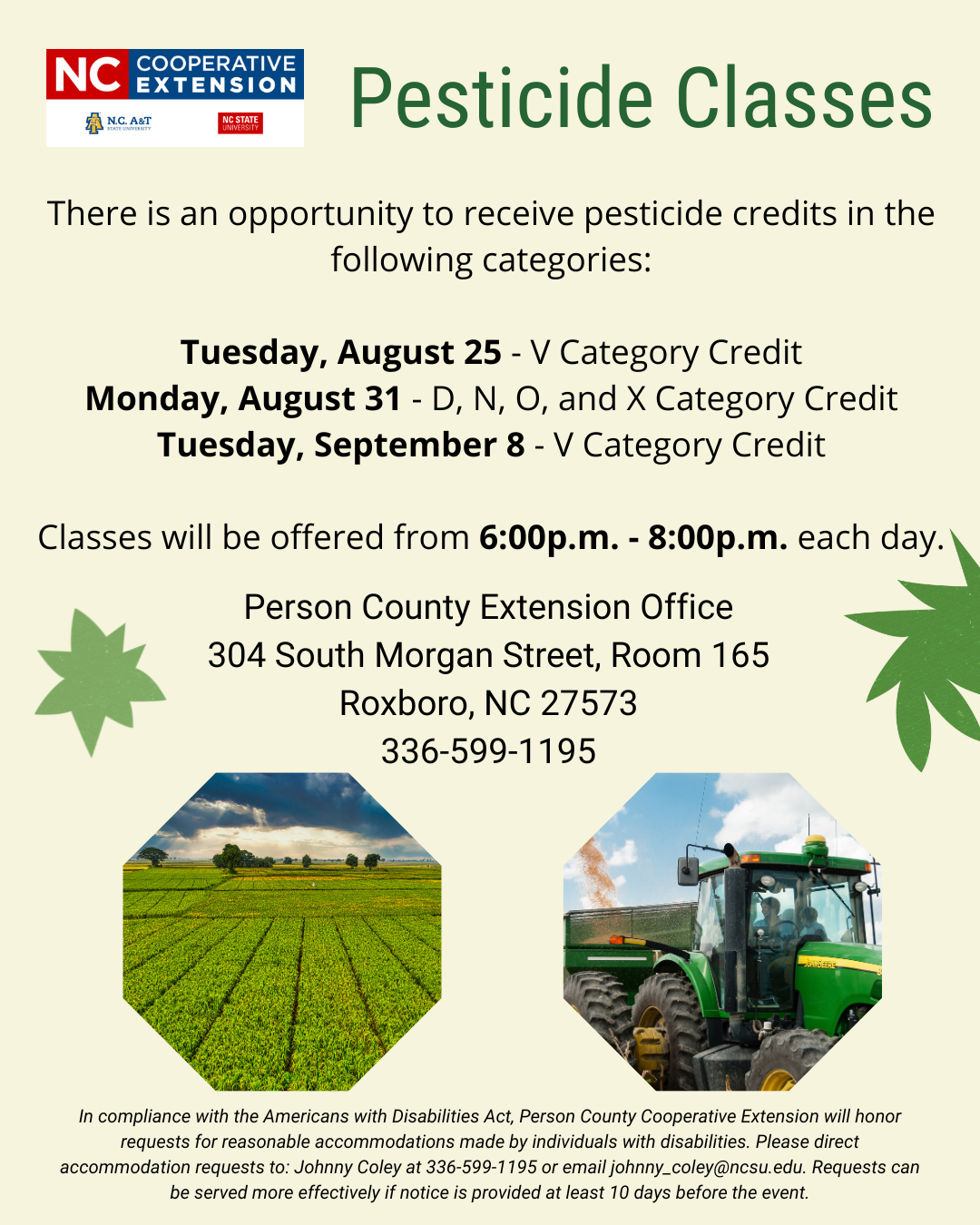
Several NCDA&CS pesticide license trainings are scheduled for late August and early September.
All classes will be held at the Person County Office Building and will be from 6:00p.m. – 8:00p.m.
-
Tuesday, August 25 – 2 hour "V" category credit
-
Monday, August 31 – 2 hour credit for categories N, O, D, and X
-
Tuesday, September 8 – 2 hour "V" category credit
There is no registration required for these classes. |
|
|
|
|
|
Liberty Tree to be Planted |
 |
|
|
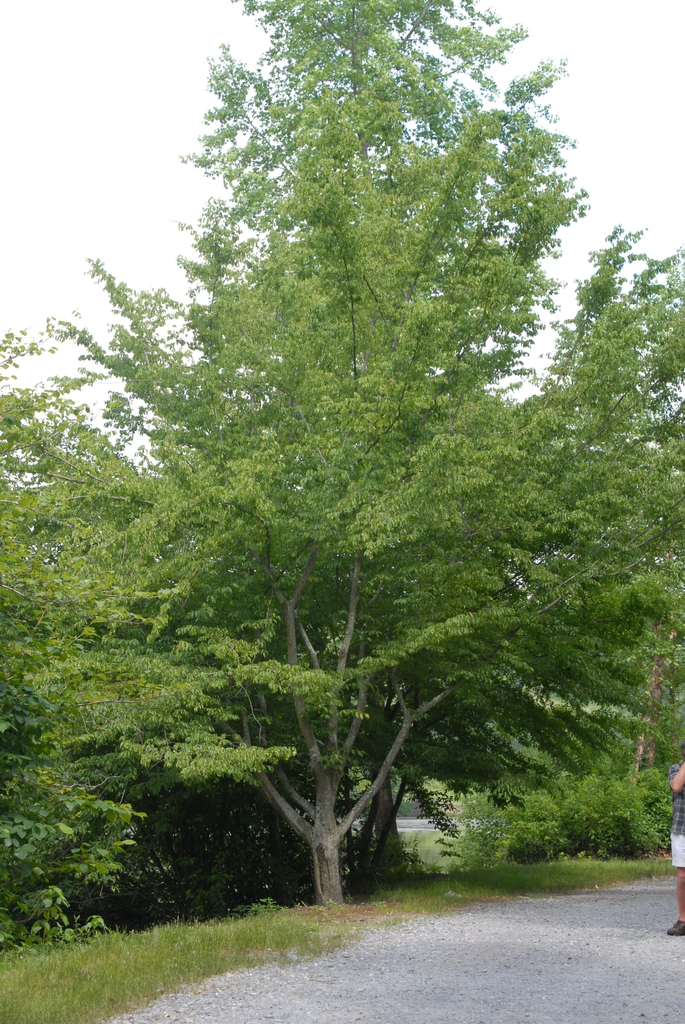
The Extension Master Gardener Volunteer Association will be planting a ‘Liberty Tree’ at the Person County Museum of History on Saturday, September 12. The tree will be a American Hornbeam/Ironwood Tree (Carpinus caroliniana). This tree is native to eastern North America and can be found in moist soils along streams and rivers, according to the North Carolina Extension Gardener Plant Toolbox. The NC Extension Gardener Plant Toolbox also indicates that the tree will slowly reach 20-30 feet high and 20-35 feet wide. This tree is known for its hard wood, from which tools were made in the early years of our country’s history. |
|
|
 |
|
If you are interested in helping clean up the roads/streets of Person County join the efforts of others on Saturday, September 19 from 8:00a.m. – 12:00p.m. for the Person County Fall Litter Sweep. Participants will meet at Roxboro City Hall where they will be given bags to collect the trash and then you can go to any road in Person County from where you wish to clean up the litter and leave the bags on the shoulder of the road to be picked up. This is a great opportunity to help make Person County an even better place than it already is to live and enjoy. |
|
|
| Livestock & Forages |
|
|
|
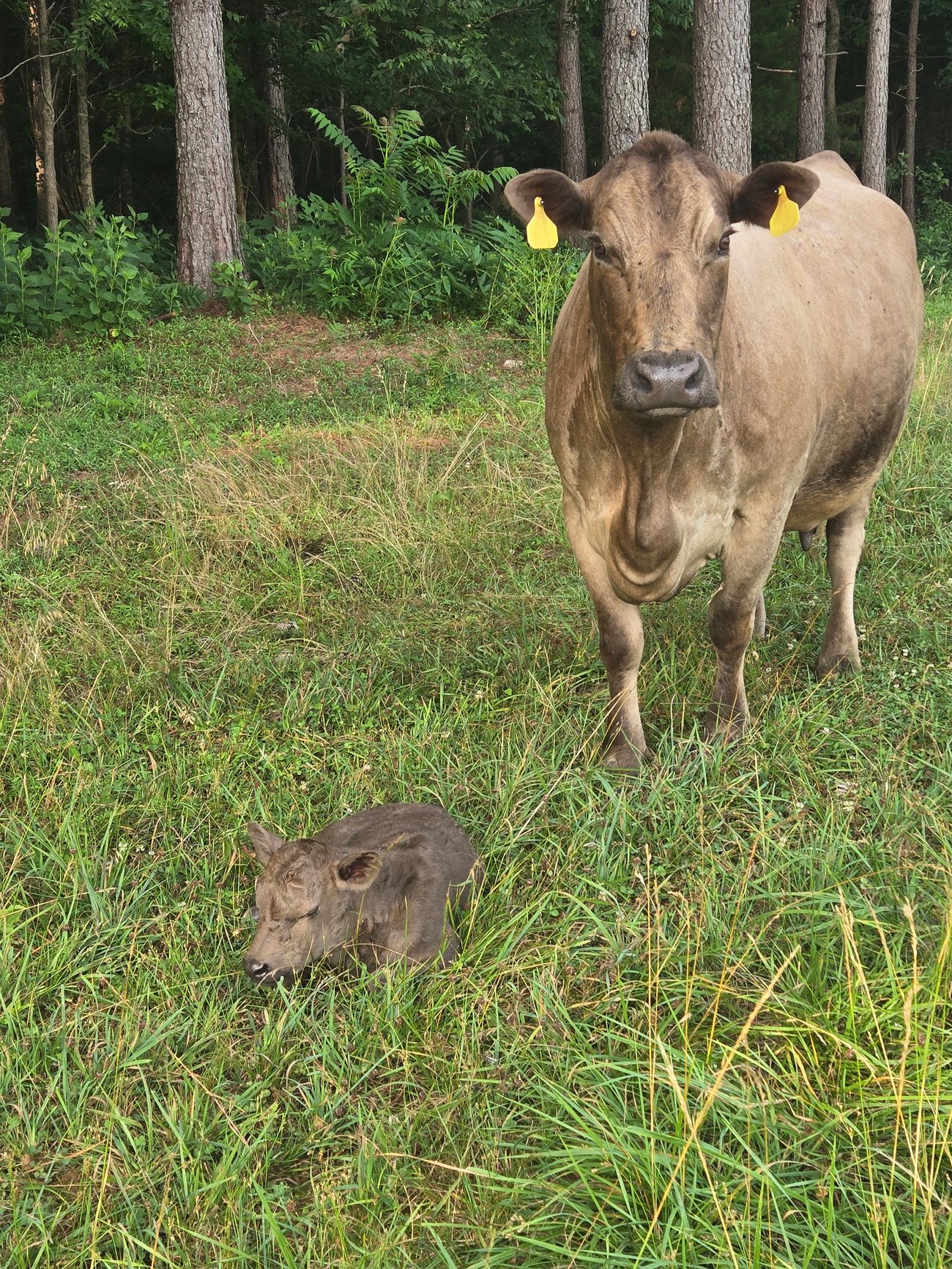
Welcomed Rain Could Spark Foot Rot Concerns for Cattle Producers
(Written by Angie Stump Denton; appeared on Drovers E-newsletter July 23, 2026; adapted by Kim Woods) |
 |
|
Don’t let lameness stall herd performance. Simple environmental tweaks and proper mineral programs can keep foot rot at bay this summer. This summer has been hot and the recent rains have added water to ponds and creeks and may have caused some muddy areas in pastures. Cattle seek relief in ponds, creeks and muddy pastures and that can increase the threat of foot rot, which is caused by bacteria.
Left unchecked, foot rot can severely limit herd mobility, reduce weight gain, lower milk production and drive up treatment costs. Fortunately, proactive environmental management and a solid treatment plan can protect both the herd’s health and a producer’s bottom line.
Foot rot, a highly infectious skin and hoof disease characterized by severe inflammation of the tissue between the toes, occurs when a couple of different bacteria breach the natural barrier of the hoof and causes an infection. Symptoms include:
-
Sudden, severe lameness or favoring of a limb.
-
Symmetrical swelling and redness of the interdigital tissue (between the toes) and the surrounding coronary band.
-
Necrotic (decaying) lesions that emit a distinct, foul odor.
-
A noticeable reduction in appetite, milk production and overall weight gain.
Foot rot is often seen in summer because cattle seek out moist areas to deal with our heat and humidity. Fescue toxicosis can add to that need to try and stay cool. Standing in water and mud can make the hoof softer which makes it more susceptible to abrasions from rocks and rough terrain. This allows those bacteria to penetrate into the hoof.
Strategies to hep prevent foot rot include:
1. Manage the Environment by limiting water exposure, provide adequate shade and manage fescue toxicosis.
2. Provide a balance nutrition program including free choice minerals that provide zinc, selenium and copper which help maintain skin and hoof wall integrity.
3. Proper hoof care includes selecting animals with structurally sound hooves and limiting time on abrasive or sharp surfaces like rocks, gravel and concrete.
Delayed treatment can lead to the infection migrating deeper into the joint, causing extreme swelling around both digits and potentially separating the hoof claw. Having a treatment plan, which will involve a veterinarian, is key to quick intervention when you do see foot rot is key to limiting permanent joint damage and minimizing performance losses. Considerations for dealing with foot rot include treatment with antibiotics and a topical antimicrobial agent, hoof trimming by a professional to remove potentially necrotic tissue and isolation in a clean, dry pen. With treatment, improvement should appear within three to four days. Animals with recurring foot rot should be culled.
|
|
Annual Forage and Livestock Webinar Series |
 |
|
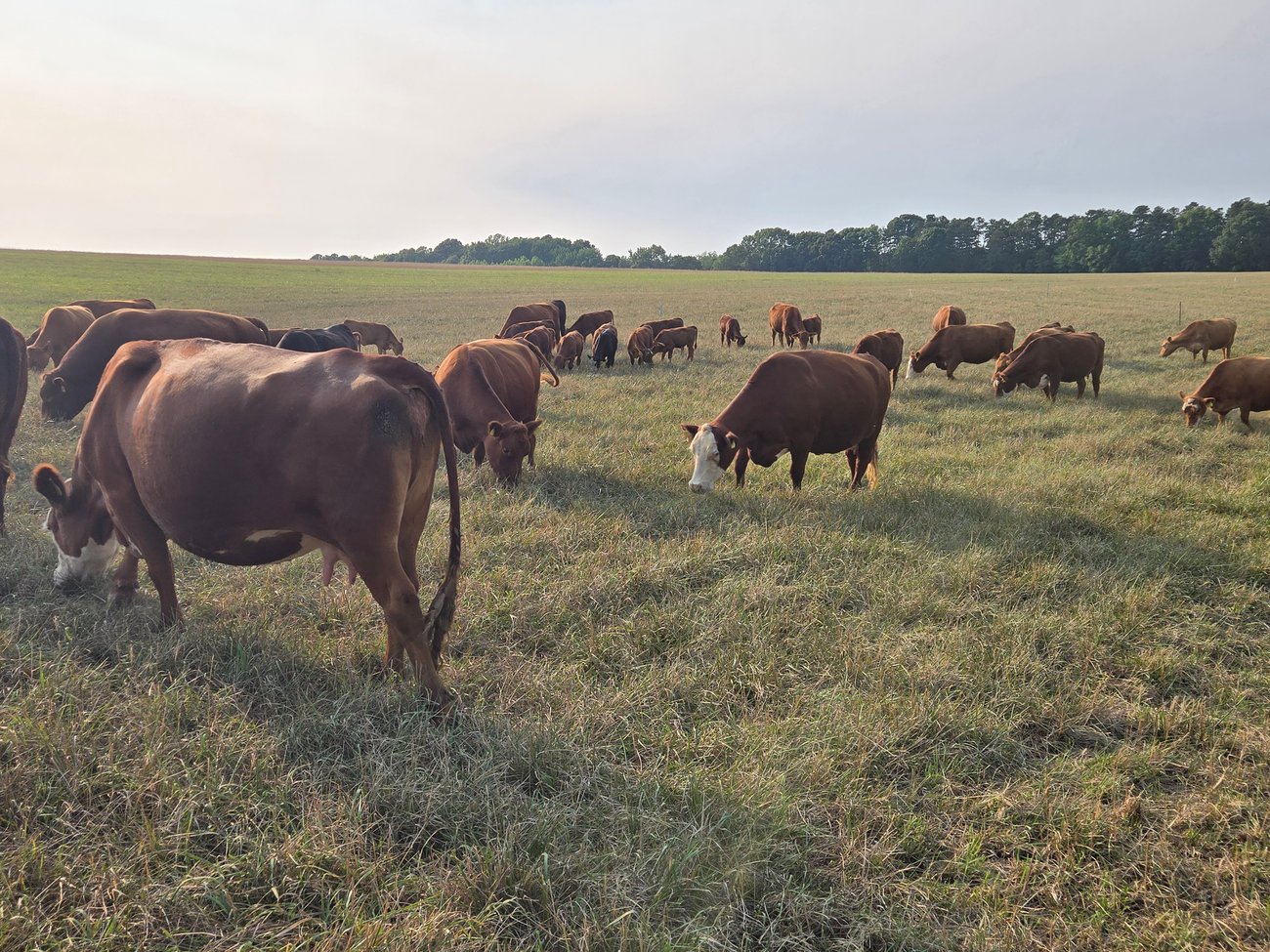
There are still 3 sessions left in the 2026 Annual Forage & Livestock Webinar Series. The registration is free and the webinars run from 3:00p.m. - 4:00p.m. EST. The goal of this series is to provide information and practical tools to support and strengthen the pasture-based livestock industry in NC and across the region.
Soil carbon and nitrogen in forage and grazing lands across North Carolina. Speaker: Dr. Alan Franzluebbers, USDA-ARS. (Wednesday, August 19 from 3:00p.m. - 4:00p.m. EST) Webinar registration.
Strategies for weed management in tall fescue pastures. Speaker: Dr. Navdeep Godara, Crop and Soil Sciences, NC State University. (Thursday, September 17 from 3:00p.m. - 4:00p.m. EST) Webinar registration.
Considerations for establishing an optimal breeding and calving season in North Carolina. Speaker: Dr. Felipe Silva, Animal Sciences, NC State University (Thursday, October 1 from 3:00p.m. - 4:00p.m. EST) Webinar registration. |
|
|
|
Farm Emergencies |
|
No one wants to think about an emergency on their farm. But it can happen. Whether we’re talking about hurricanes, winter weather or a barn fire, farmers are not immune to having emergencies to deal with. Having a plan in place before that emergency happens can be very beneficial to helping you, your people, your animals and your farm survive.
NCDA has a great Emergency Plan Template located here: NCDA Farm Emergency Template Even if you don’t follow every detail, this will get you to thinking about how to handle things on your place.
Some basic things or steps include:
-
Establish an emergency plan
-
Secure equipment: place large equipment in covered area or tie down
-
Clear debris from drainage ditches
-
Remove dead or damaged trees
-
Keep livestock barns, gates, and fencing in good repair
-
Prepare farm vehicles, machinery and generator: gasoline and oil
-
Stay connected with local emergency or management agencies
-
Take farm inventory of livestock and equipment
-
Regularly review insurance policies
-
Secure animals: move to secure pastures or higher locations. Never leave livestock in closed barn.
-
Make sure your animals are current on all vaccinations
-
Purchase additional feed, hay, and water supplies several days before a hurricane. These items might not be available after the storm.
-
Stock up on basic veterinary supplies and have restraint equipment for restraining injured animals that need veterinary assistance.
-
Livestock identification: permanent is best
-
Assemble livestock emergency kits
Unfortunately, there have been some hay barn fires in the area over the years. Would you be prepared if you barn with animals had a fire? Here are some things to pull together for that situation:
-
ABC rated Fire Extinguisher
-
Bolt cutters and/or heavy-duty wire cutters
-
Good utility knife
-
Flashlights and headlamps with extra batteries
-
A well-stocked first aid kit for both people and livestock
-
Extra halters and lead ropes
-
Work gloves
-
Portable phone chargers or power banks
-
Battery-powered weather radio
-
Spare batteries
-
Fire blankets
-
Basic hand tools
It’s not easy to think about these what-ifs. But planning ahead can save precious minutes when every second counts. Being ready with the right equipment, a clear plan, and a well-stocked emergency kit can help protect you, the animals, and your farm. |
 |
|
|
| 4-H Youth Development |
|
|
 |
|
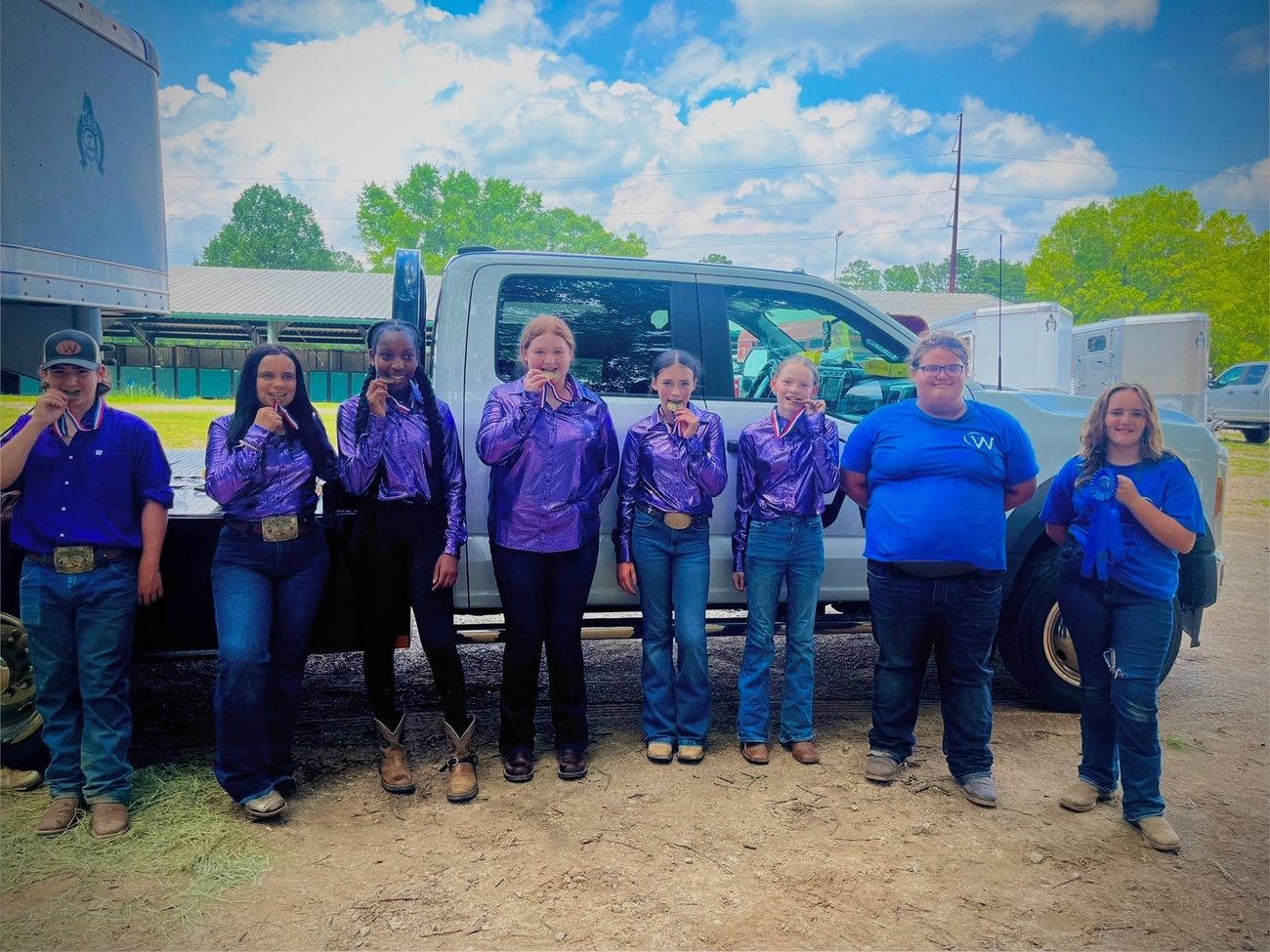
Looking for a way to showcase teamwork, creativity, and horsemanship? Grab your barn friends and your favorite music, because Person County 4-H has officially debuted its brand-new 4-H Horse Drill Team—and they are already bringing home state-level gold! A horse drill team is a fast-paced, highly coordinated equestrian sport where a group of riders performs choreographed patterns and maneuvers to music. It requires immense precision, synchronization, and absolute trust between riders and their horses. The Person County team kicked off their journey on Wednesday, July 8, and in a stunning showcase of skill, their immense hard work has already culminated in a massive victory: Winning First Place in the Junior Division at the NC State 4-H Horse Show! Through this journey, horse riding teaches you positive character traits, e.g., how to manage your stress and communicate clearly as you realize the horse reads your body language. "These riders have learned that horses are about so much more than riding. Horses teach responsibility, discipline, patience, resilience, and the value of earning success through hard work," says the Drill Team Coach Claire Winstead of Winstead Performance Horses. "Every early morning, every long practice, every challenge, and every accomplishment has helped shape not only better horsemen and horsewomen, but stronger, more confident young people." The work ethic, perseverance, leadership, and determination they are developing today in the arena will stay with them long after they leave the saddle, helping to guide them in whatever paths they choose tomorrow. Person County 4-H is incredibly proud of this team and the heart, grit, and dedication they continue to show. This NC State 4-H Horse Show is only the beginning of their journey, and the community is invited to watch them continue to grow, overcome challenges, and accomplish great things—both in and out of the arena. The future of this team is incredibly bright! To learn more about the Person County 4-H Equine Club contact Hailee Dickerson, 4-H Agent, at 336-599-1195 |
|
|
|
America 250 4-H Quilt Information Sessions! |
|
We are so excited to announce our August sessions for the 4-H America 250 Quilting Project. Join us on either Tuesday, August 4 OR August 11, anytime between 4:00p.m. - 7:00p.m. You will select your quilt square and we will show you how to begin hand stitching and help us create an America 250 designed quilt. Register online now at https://go.ncsu.edu/communityquilt
|
|
|
|
Get Your Cameras Ready! |
|
Entries for the 2026 4-H Photography Contest are now open! This annual competition encourages NC 4-H youth and adult photographers to showcase their creativity, practice photography skills and capture meaningful moments through the camera lens. Participants can enter photos in the following categories: 4-H in Action, Nature’s Beauty, Animals, and Black and White. All entries must be submitted by 5:00p.m. on Friday, August 14. More information and the registration link can be found at https://nc4h.ces.ncsu.edu/youth/4-h-photo-contest/ |
|
|
|
|
|
Healthy Food Pantry Training |
|
The Extension Office is partnering with the Timberlake Community Center Food Pantry for a 6-month program from July - December 2026. We are attending monthly 1-hour training sessions on topics such as understanding community needs, finding donations, keeping food safe, and encouraging health choices. |
|
|
|
Free Movie = Fun & Laughter |
|
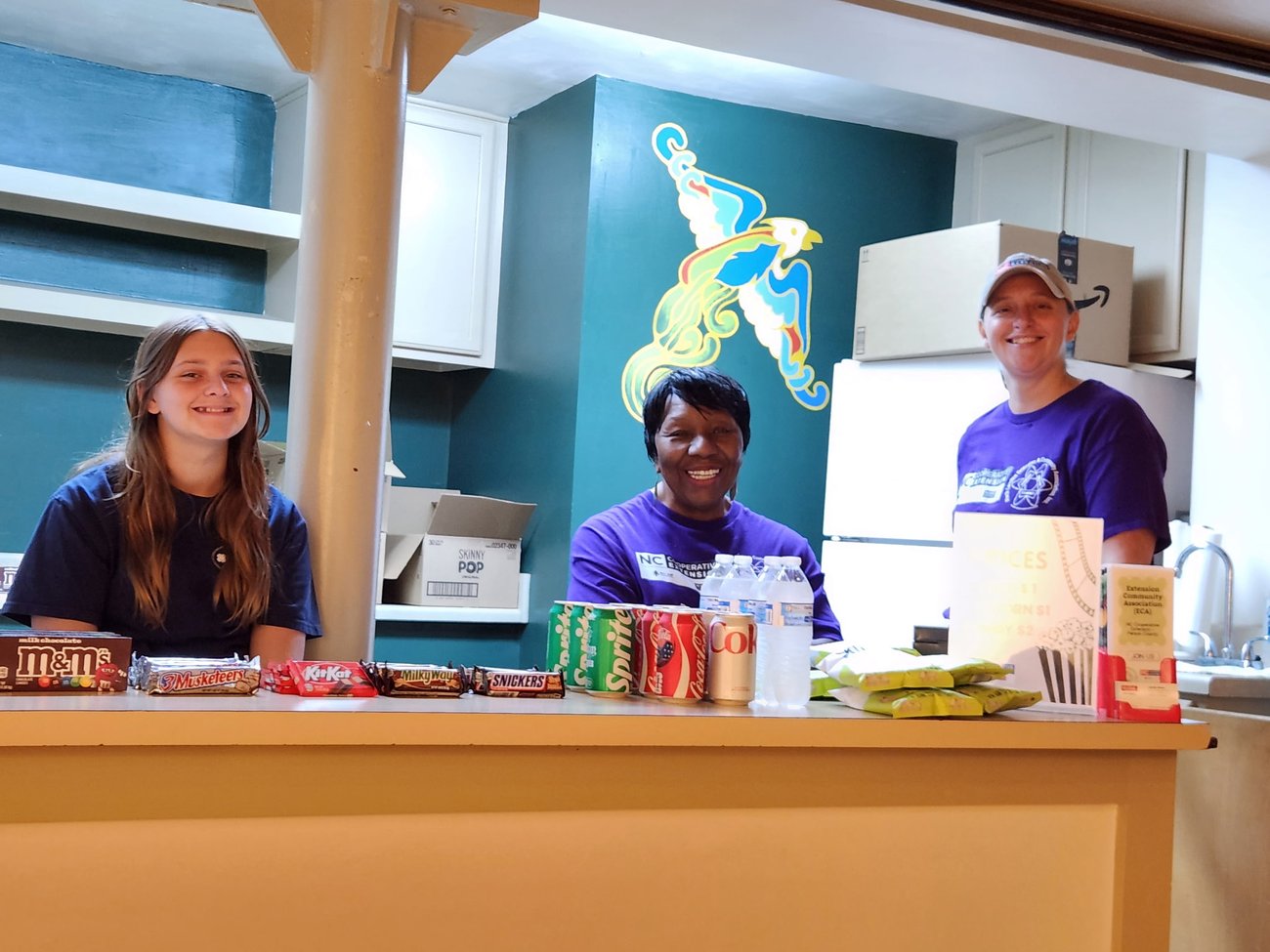
Thanks to our Person County Extension Community Association (ECA) members for all of their volunteer efforts in hosting a Free Friday Night movie at the Kirby Theater on Friday, July 24. The movie was free to attend, but our volunteers helped sell concessions. |
|
|
|
Get it Done in a Jiffy |
|
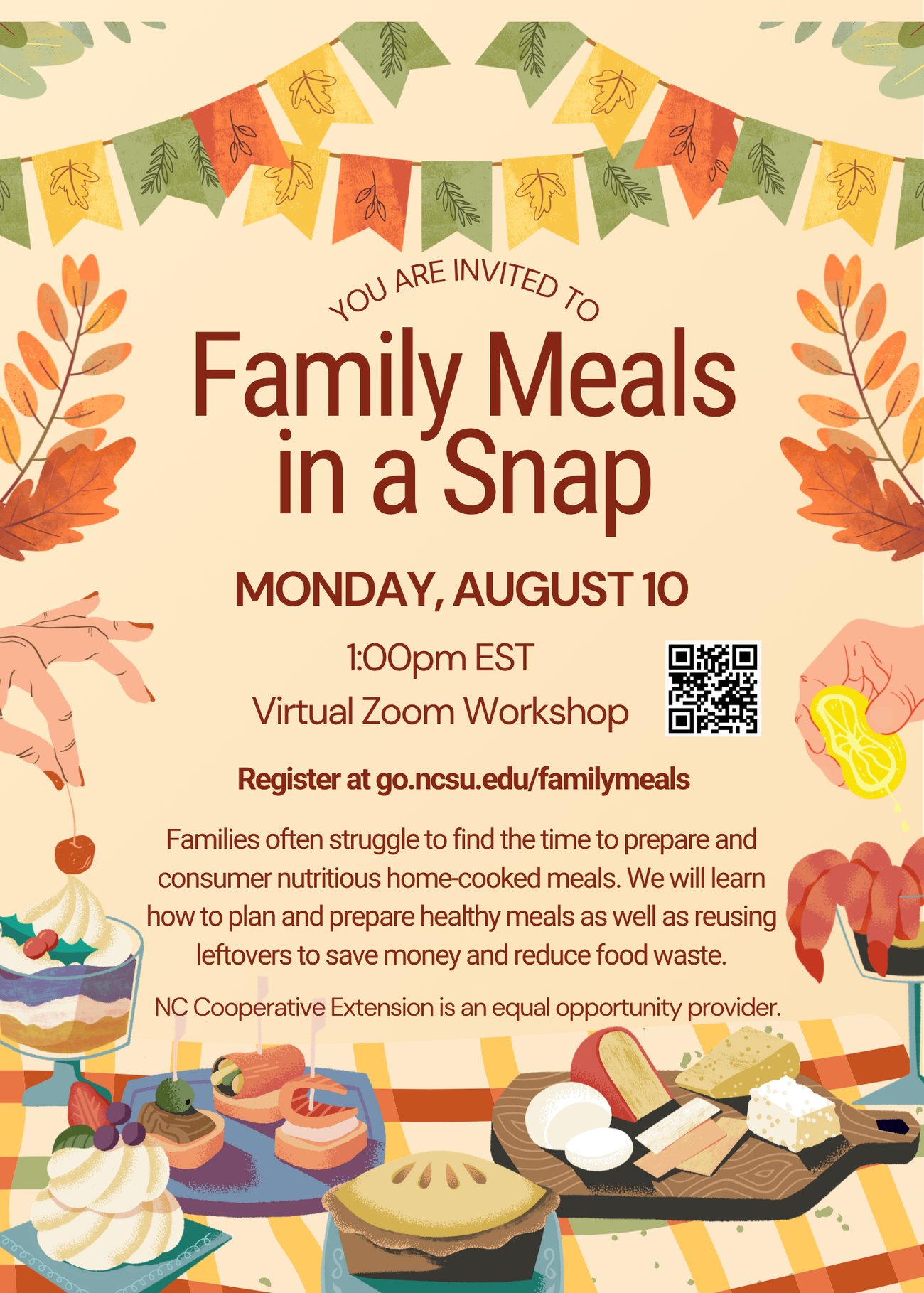
We know that families often struggle to find the time to plan and prepare nutritious home-cooked meals. We will learn how to plan and prepare healthy meals as well as learn how to reuse leftovers to save money and reduce food waste. Join us on Monday, August 10 at 1:00p.m. for this virtual Zoom workshop on how to prepare "Family Meals in a Snap". This workshop is for families of any size, whether just cooking for 2 or a house full of people. Register at go.ncsu.edu/familymeals. |
|
|
|
Savor the Flavor |
|
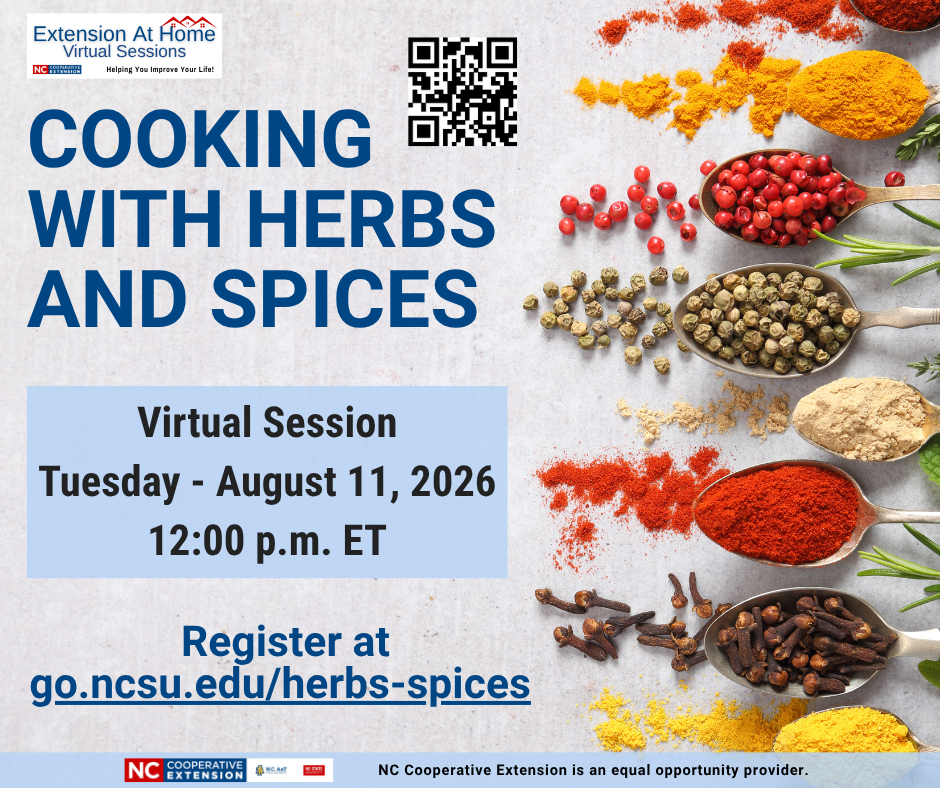
Swap salt for flavor! Join us to learn easy, budget-friendly ways to spice up your meals with herbs and spices. Join us on Tuesday, August 11 at 12:00p.m. for this virtual workshop to learn how to lower your sodium intake, take control of your health, and add flavor to your foods. Register at go.ncsu.edu/herbs-spices |
|
|
|
Be Safe In Your Space |
|
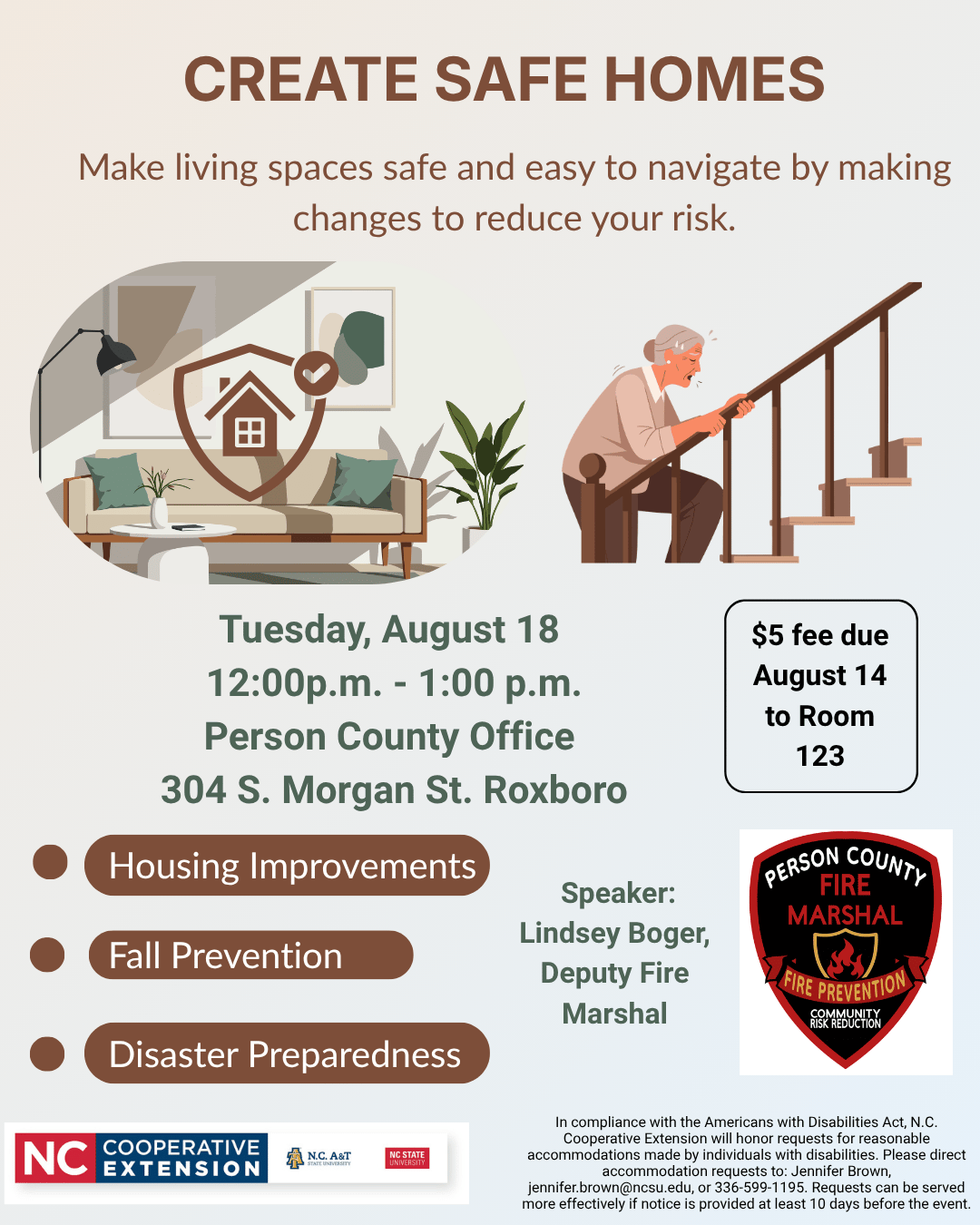
Make living spaces safe and easy to navigate by making changes to reduce your risk. Our monthly Lunch N' Learn will be held on Tuesday, August 18 at 12:00p.m., with the Deputy Fire Marshal as our guest speaker talking about fall prevention, housing improvements, and disaster preparedness. This workshop costs $5 and must be prepaid to Room 123 of the Extension Office by Friday, August 14. Handouts and lunch will be provided. |
|
|
|
Champion Your Health |
|
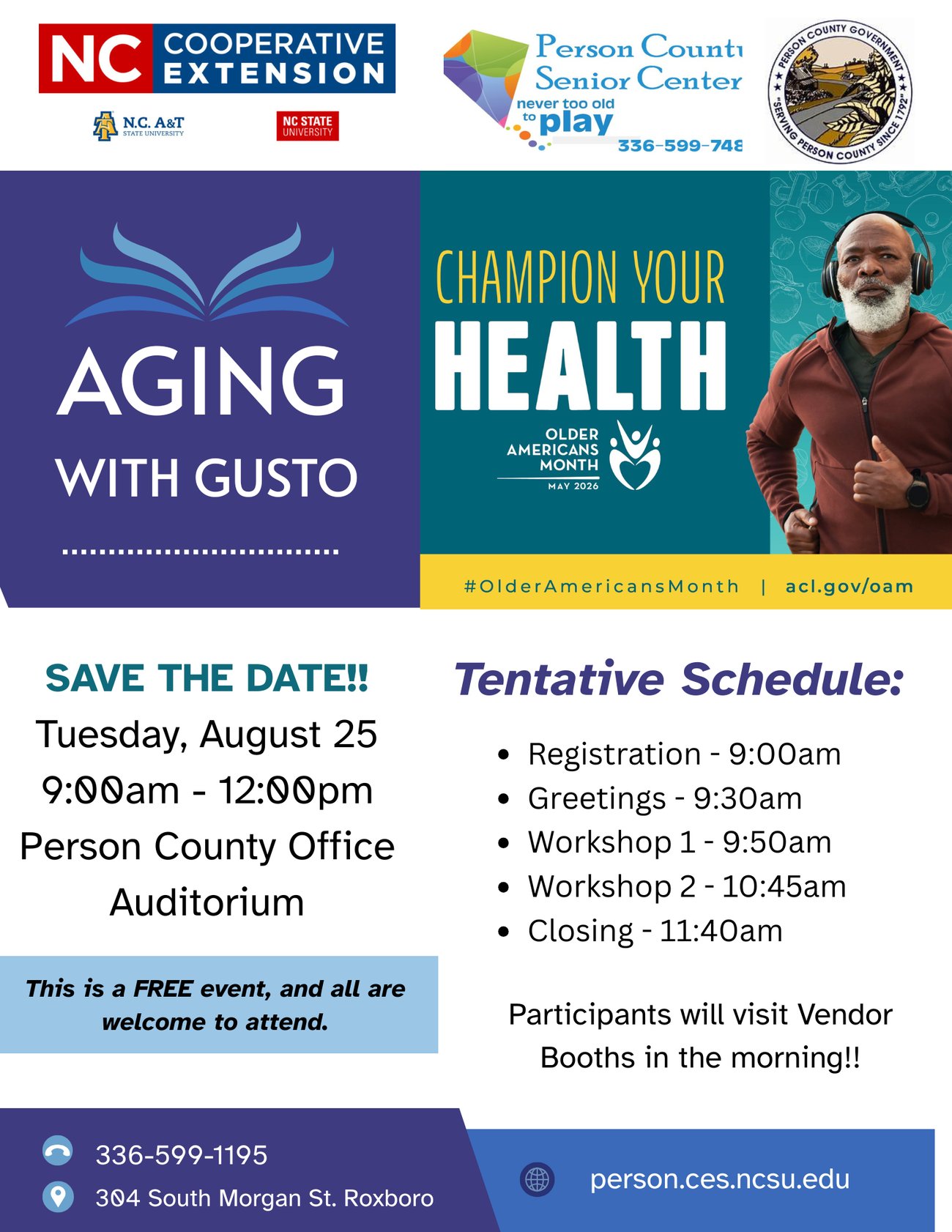
Registration is open for our 2026 Aging with Gusto Conference in Person County. It is Tuesday, August 25 from 9:00a.m. – 12:00p.m. and it will be FREE again this year. We hope everyone can join us to celebrate as we learn how to "Champion Your Health”, focuses on prevention, wellness, and personal responsibility as cornerstones of healthy aging. The registration brochure will be available at the Person County Extension Office, or you can register online at go.ncsu.edu/gusto |
|
|
|
Save the Date!! |
|
On Saturday, September 12 from 10:00a.m. - 2:00p.m., the Person County Cooperative Extension and the Person County Museum of History will be hosting an Early America Living History Fair to invite everyone to experience life in our area during the late 1700s and early 1800s. This is a free, all ages event that will take place rain or shine. |
|
|
|
|
| Field Crops |
|
|
|
Field Crops Position Has Been Posted!! |
 |
|
Come and join our Extension Team in Person and Granville Counties by applying for our Field Crops Area Agent position. Information and application can be found online at go.ncsu.edu/fieldcrops |
|
|
|
|
|
The North Carolina Soybean Growers Association administers the Farmers for Soil Health (FSH) cover crop incentive program. Enrollment this year looks different than it has in the past. In short, farmers who plant a cover crop in the Fall of 2026 and follow with an eligible cash crop will receive $35 per acre, up to 2,000 acres. To get started, all they need to do is set up an account at farmersforsoilhealth.com/enrollment/ by Monday, August 31.
To provide further insight into the program, these are the basic eligibility requirements:
-
Fields can be new to cover crops or previously planted with cover crops — crop history does not matter
-
A cover crop, which cannot be harvested for grain, must be followed by an eligible cash crop.
-
Eligible cash crops include corn, soybeans, cotton, sorghum, or wheat.
-
Wheat can be the cover crop, but only if it is not harvested the following year.
-
Cover crops can be baled for hay or grazed.
And here is an overview of what growers will need to do to participate in the program:
-
Create an account by visiting the "Enrollment" page on the FSH website or go directly to https://enrollment.dtn.com/
-
Work with a technical advisor (contact information below) to determine which fields will have cover crops
-
Let their county Farm Service Agency (FSA) agent know they are participating in the program and that they give consent for the agent to provide the technical advisor with documents related to their farm (i.e., subsidiary prints, 156EZ).
-
Provide the FSH technical advisor with the FSA agent's contact information (name, county, email, phone).
-
In 2027, provide a W-9 form in order to receive payment.
It should be noted that the last day to create an account is Monday, August 31. This is not the cutoff for enrollment as the Technical Assistants (TAs) will continue to reach out after August 31, but interested growers must have their accounts set up by then.
Should growers need additional assistance, please reach out to one of the TAs in North Carolina, listed below.
|
|
|
|
|
Support Local Farmers!! |
|
|
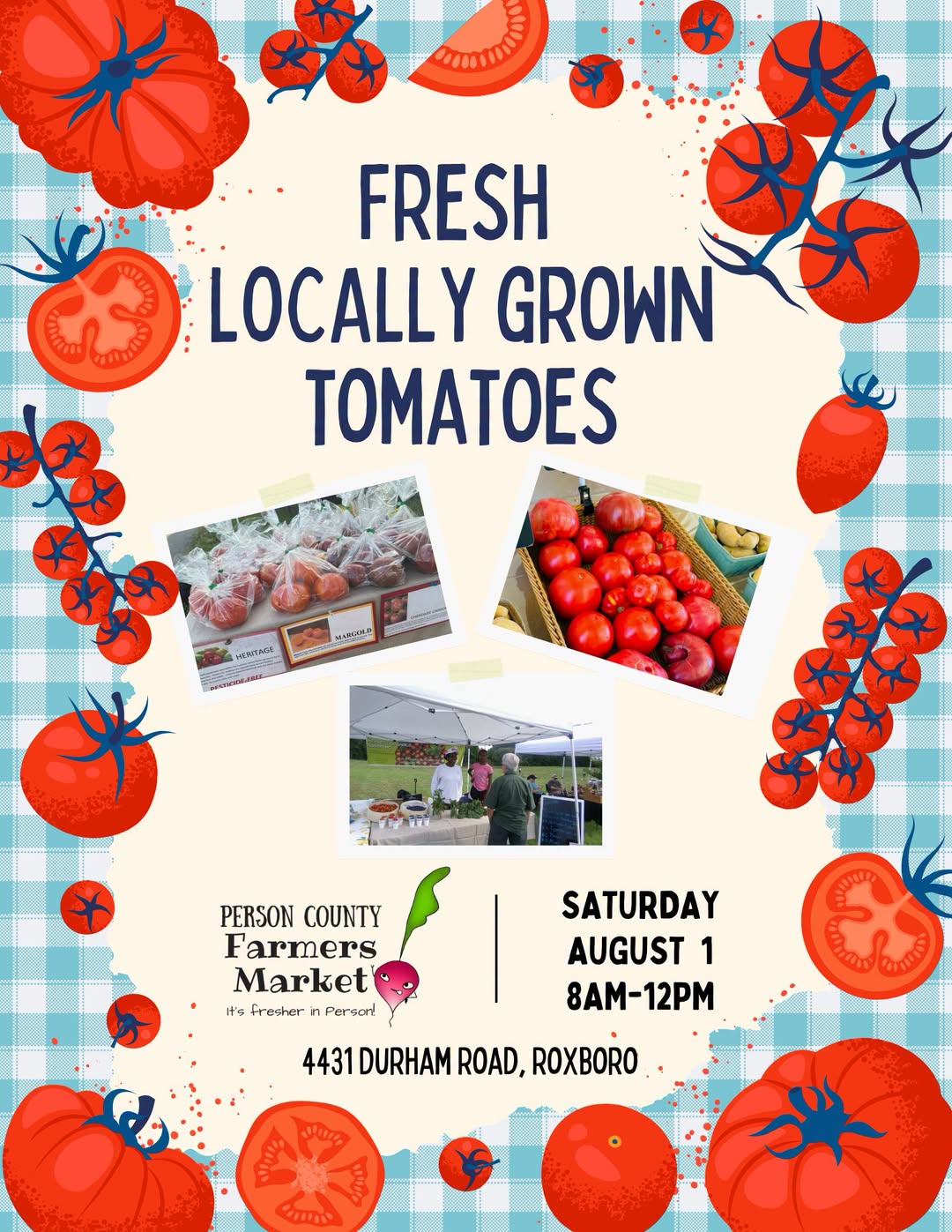
Be sure to visit the Person County Farmers Market this Saturday, August 1 from 8:00a.m. - 12:00p.m. at Heritage, a Gathering Place, located at 4431 Durham Road in Roxboro, to celebrate peak tomato season! Several of their farm vendors will have fresh locally grown tomatoes at the market this weekend. Be sure to support your local farmers and vendors and stock up on some healthy and delicious goodies!! |
|
|
|
|
Together, we're building a brighter, more prosperous future for North Carolina - one community at a time. |
|
|
 |
|
| \n\n\n
|
|
|
|
|