|
|
|
|
|
|
|
|
|
|
|
|
|
|
|
|
Click on the following links to see the Garden Calendars for each month:
|
|
|
|
|
|
|
|
|
BOLOs (Be On The Lookout)....
|
|
|
Month-by-month lists of common plant diseases, pests, and other problems you may encounter in North Carolina yards and gardens. Straight from our PDIC (Plant Disease & Insect Clinic) entomologists and pathologists!
|
|
|
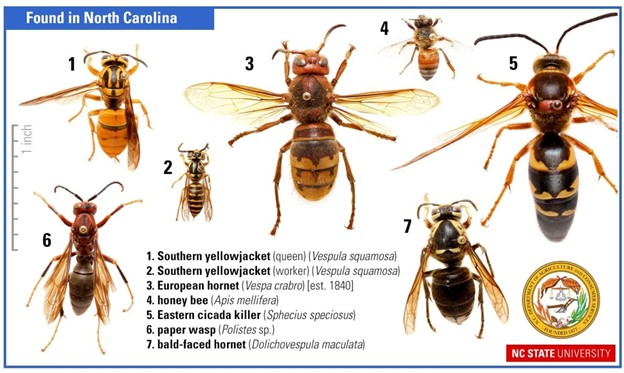
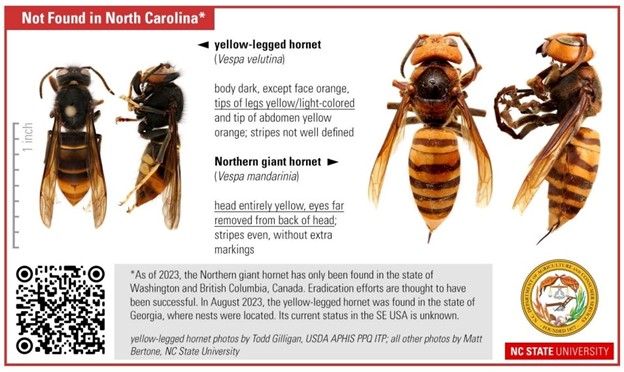
Hornet Havoc?!? - Yellow-Legged Hornet Confirmed in NC
The invasive yellow-legged hornet has now been confirmed in North Carolina, and the North Carolina Department of Agriculture & Consumer Services (NCDA&CS) is asking beekeepers and residents to be on the lookout.
This invasive hornet poses a serious threat to honey bees, actively hunting them and damaging hives. It will also prey on native bees and other beneficial insects. Fortunately, despite its intimidating appearance, the yellow-legged hornet is not considered aggressive toward people.
One of the easiest ways to identify this insect is by its distinctive yellow legs—the lower half of all six legs are bright yellow. Adults are about an inch long, and their nests are often much larger than those of our native hornets, with a reddish-brown, muddy appearance.
Our office has received numerous calls recently from concerned residents who believe they have found a yellow-legged hornet. The good news is that, so far, every specimen we've identified in Alexander County has been the European hornet (often called "Japanese hornets" here in the South), not the invasive yellow-legged hornet.
If you think you've spotted a yellow-legged hornet in Alexander County, don't panic—but please let us help identify it. Contact the Alexander County Cooperative Extension Office at 828-632-4451 before attempting to remove a nest.
For more information about the yellow-legged hornet and how to report suspected sightings, visit these NCDA&CS resources.
|
|
|
|
|
|
|
|
|
Upcoming Dates:
- August 10th @ 7pm : Alexander County Beekeepers Meeting
- August 12th @ 12pm - From Garden to Pantry Series: Gardening For Pollinators with Native Plants
- August 12th - Turfgrass Field Day @ Lake Wheeler Turfgrass Research Lab - Raleigh
- August 14th - Mtn. Horticulture Research Station Field Day @ Mountain Horticultural Crops Research and Extension Center - Mills River
- August 18th - EMGV Meeting
- August 19th @ 12p - From Garden to Pantry Series: Cluster Cooking: Prep, Plan, & Stretch Your Meals
- September 2nd @ 12p - From Garden to Pantry Series: Seed Saving 101
- September 3rd @ 2-4pm - Pesticide Recertification (X and Commercial Categories :2)
- September 7th - Labor Day (County offices will be closed)
- September 8th @ 6-8p - Pesticide Recertification (Private V :2)
- September 10th @ 4-5pm - 4H Garden Club will start back!!
|
|
|
|
|
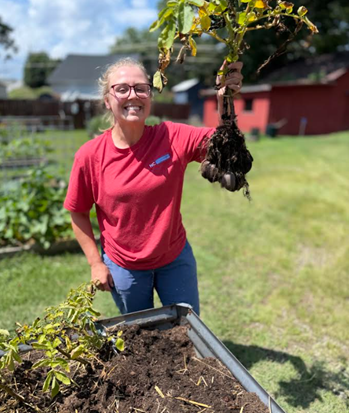
Community Garden Success!
This year, the Taylorsville Community Garden has grown an abundant amount of vegetables with the help of our Extension Master Gardener Volunteers. So far, we have donated over 164 pounds of vegetables to the 957 Mobile Cafe in town! We are working on fall crops right now that will be donated later this year!
|
|
|
|
|
|
|
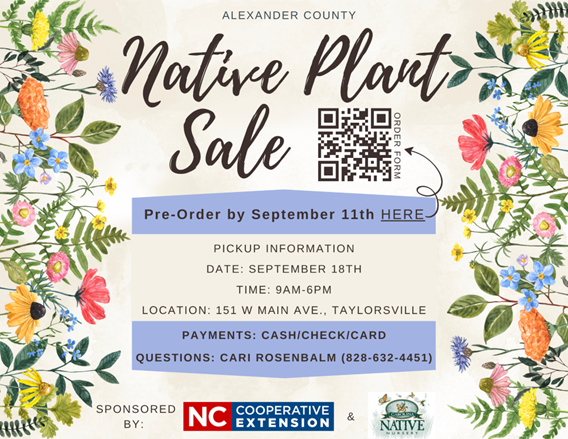
We will be having our Native Plant sale again this fall so be sure to get your order in ASAP! All plants will be coming from our friends at Carolina Native Nursery in Burnsville, NC and are all native plants to NC!
You may ask, "Why should I plant natives?" or "I have enough to manage with my lawn alone, why add something else to my plate?" Native plants are amazing for you and for the natural world around you. Because these plants are native to our area and have evolved to be adaptive to our soils and climate, they are actually a lot easier to care for in the landscape. Most native plants require "no babying", using less water and fertilizers than many ornamentals, not to mention they are BEAUTIFUL!
Because our way of life is urbanized now more than ever, we have a lot of fragmented land. This means that in some places, land has been broken up where it was once continuous and full of native plants to support wildlife.
The remaining isolated areas are sometimes not enough to support the wildlife left in them. In our own landscapes, we have transformed the land we have into a monoculture of turf, concrete, and exotic plants, repelling pollinators, beneficial insects, and wildlife. Adding a few natives back into your landscape instead of overusing ornamentals or exotics helps to preserve the complex web of biological diversity, which we call "nature". They improve the health and help to restore ecosystems by providing food and shelter for pollinators, beneficial insects, birds, & mammals. Native plants also offer great nesting sites for birds, and act as larval hosts for many of our butterflies and moths!
It has been shown that this type of action also creates a "snowball effect". This means that when you install natives in your flower beds and you get excited about seeing all the beneficial insects, birds, or butterflies, you begin to tell your friends & family. Then they add some native plants to their landscapes and so on. What you do for your ecosystem has an impact!
Tips for adding native plants in your landscape:
- Diversify your landscape with: evergreens for winter cover & berries, plants with seeds, fruits, and nectar for food, grasses for shelter and seeds, and host plants for insects with larval stages.
- Plan to have some visual interest in every season – this can be tough in the winter sometimes, but dried seed heads from coneflowers, plants with winter berries, or even grasses are beautiful in the winter!
- Don’t plant too close to windows (because birds will accidentally hit them).
- Mimic nature by planting in gentle sweeping curves, irregular shapes, clusters, and layers.
- Plant so that your plants have room to grow! (Read that again!)
- Expect & be OKAY with some foliage missing! – you can’t have beautiful butterflies without the caterpillars!
Come out and support your local extension office and your ecosystem this September by purchasing some native plants! If you have any questions about ordering, please contact Cari Mitchell, Horticulture Agent, at 828-632-4451.
"Because life is fueled by the energy captured from the sun by plants, it will be the plants that we use in our gardens that determine what nature will be like 10, 20, and 50 years from now." – Doug Tallamy, American entomologist, ecologist, and conservationist
|
|
|
|
|
Hiring Certified Arborists & Being Proactive with Tree Management
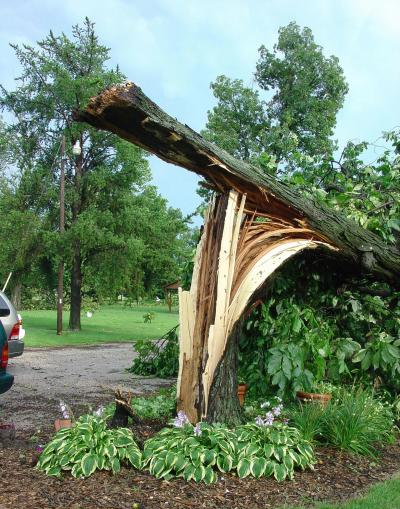
Trees are valuable assets in the landscape, requiring specialized care to maintain their health and beauty. Poor tree care can be costly and harmful, while proper care enhances tree longevity, beauty, and value. Storms that damage trees are very common in NC, whether this be from severe thunderstorms, ice, high winds, or tornados. Downed trees and branches can be hazardous to people, property and they can disrupt our daily lives. Minimizing the risk of weak trees and the potential for this kind of damage is important.
Arborists can be full-service or consulting. Full-service arborists handle tasks like pruning, fertilizing, pest management, disease diagnosis, tree removal, and stump grinding. Consulting arborists provide advice on tree health, appraisals, and treatment recommendations but do not perform physical work.
Be cautious of door-to-door solicitors, especially after storms. Ensure the company is properly identified and certified, as storm damage often involves high-risk situations. Never rush into deals or pay upfront.
To proactively care for your trees, consider these tips:
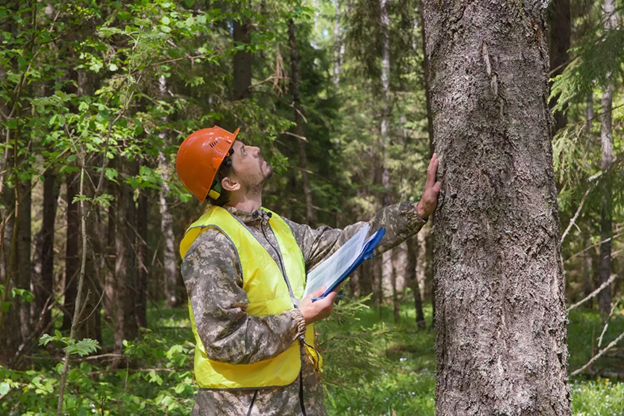
- Assess the risk of damage by evaluating trees on your property or street for existing issues that could worsen during a storm
- Ensure proper planting and staking of trees
- Choose the right tree for the right location
- Maintain good pruning practices for both young and mature trees
- Apply proper mulching techniques
By taking these steps, you can help ensure your trees remain healthy, safe, and beautiful.
Here are some great resources for tree owners!!
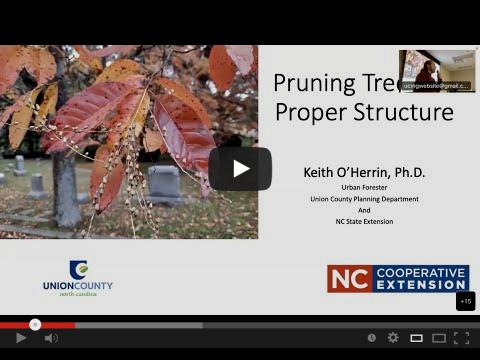
NCSU Trees Portal - Great videos and a Collective of Information on (Tree ID, Planting, Pruning, & Management)
Here are some tips on Hiring a Tree Care Professional
Find an Arborist
Tree Owner’s Manual: From Planting to Early Maintenance - Learn How to Do it Correctly
Who Is Responsible for the Trees? A Citizen Guide to Trees in the Community
|
|
|
|
|
|
Storms can hit trees hard in NC. Be proactive in your tree care.
|
|
|
|
|
|
|
|
|
Conduct your own Tree RIsk Assessment or Hire an Arborist to conduct one for you.
|
|
|
|
|
|
|
Common Disease & Pest Issues of Oak Trees in North Carolina
Over the past few years, our office has received many questions about why oak trees are declining or dying. Tree health is rarely the result of a single cause—it’s usually a combination of environmental stresses and biological threats working together over time.
Below are some of the most common issues we see in our area.
Abiotic Factors (Non-Living Causes)
North Carolina weather is famously unpredictable. One year may bring months of heavy rain, the next extreme drought—and sometimes both in the same season. Oaks, like most trees, are built for stability, not sudden swings in environmental conditions.
Flooding and prolonged standing water can suffocate roots, weakening the tree’s support system. If drought follows the next year, that same stressed tree will be even less able to cope. In our region, heavy clay soils often make the problem worse—holding water too tightly in wet years, yet becoming rock-hard and moisture-poor in dry spells.
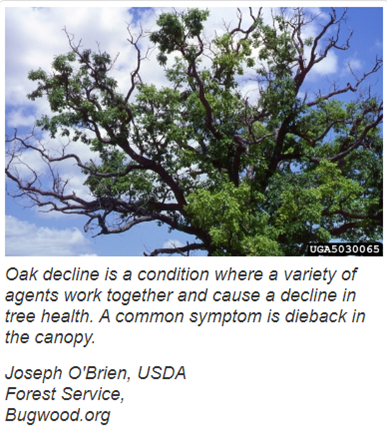
These stress cycles may take years to show symptoms. A tree might appear healthy until suddenly dropping leaves in midsummer or showing canopy dieback. By the time symptoms appear, the damage may have been set in motion long before.
Other abiotic stressors include:
- Soil compaction from construction or heavy equipment near the root zone—even damage from a decade ago can still affect trees today.
- Improper pruning practices, especially repeated "topping" or flush cuts that fail to heal properly.
- Changes in drainage caused by sidewalks, driveways, or new building additions.
Biotic Factors (Living Causes)
When oaks are already stressed, they become more susceptible to pests and diseases. These problems don’t always cause death directly, but they can accelerate decline and reduce vigor.
Common symptoms include leaf deformation, necrosis, premature leaf drop, canopy dieback, and visible fungal growth.
Diseases of Oaks in Our Area (Click to learn more on each disease)
Oak Leaf Blister
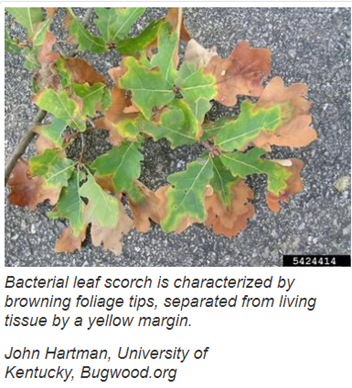
Bacterial Leaf Scorch
Anthracnose
Tubakia / Actinopelte Leaf Spot
Powery Mildew
Oak Wilt
Sooty Mold
Biscogniauxia (Hypoxylon) Canker
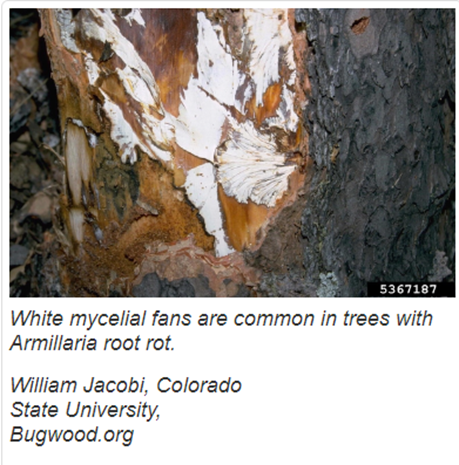
Armillaria Root Rot
Phytophthora Root Rot
Bacterial Wet Wood / Slime Flux
Oak Decline
Insect Pests of Oaks (Click to learn more about insects affecting oaks)
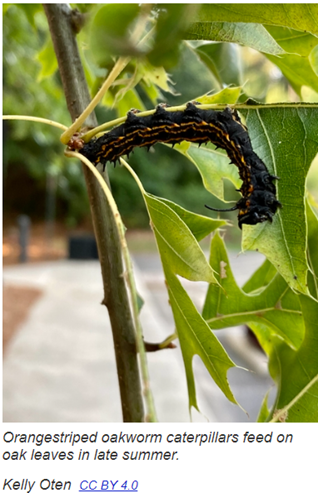
Foliage-Feeding Caterpillars
Galls & Gall Wasps
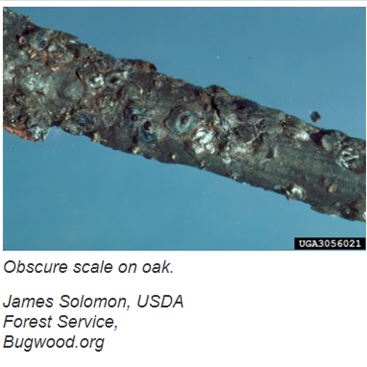
Scale Insects
Wood-Boring Insects
The Bottom Line
Oaks are remarkably resilient, but not invincible. Decline is often the result of many years of accumulated stress—most of it happening out of sight, beneath the soil or within the canopy—long before symptoms become visible. Early detection, proper maintenance, and preventing avoidable stress are the best tools for keeping these iconic trees healthy.
|
|
|
|
|
|
|
|
|
|
|
|
|
NC State University and N.C. A&T State University work in tandem, along with federal, state and local governments, to form a strategic partnership called N.C. Cooperative Extension.
|
|
|
|
|
|
|