 |
|
FALL IS HERE!
October brings a beautiful change of season to Granville County. Here at Extension, we’re gearing up for fall programming designed to support Granville County farms, families, and consumers. Here in the heart of harvest season, now is a great time to connect with our agricultural agents, cheer on youth at local livestock and poultry shows, and celebrate the final flush of local summer produce.
Explore our upcoming programs and events, and as always, remember that Extension is just a phone call, email, or visit away!
- Selena McKoy, NC Cooperative Extension Director - Granville
|
|
|
|
|
Local Foods Coordinator - Granville County
Wendy Tatum |
|
Oxford Armory Farmers Market |
 |
|
|
|
|
|
|
|
|
|
|
|
Livestock & Forages
Kim Woods, Area Agent, Agriculture - Animal Science |
|
|
|
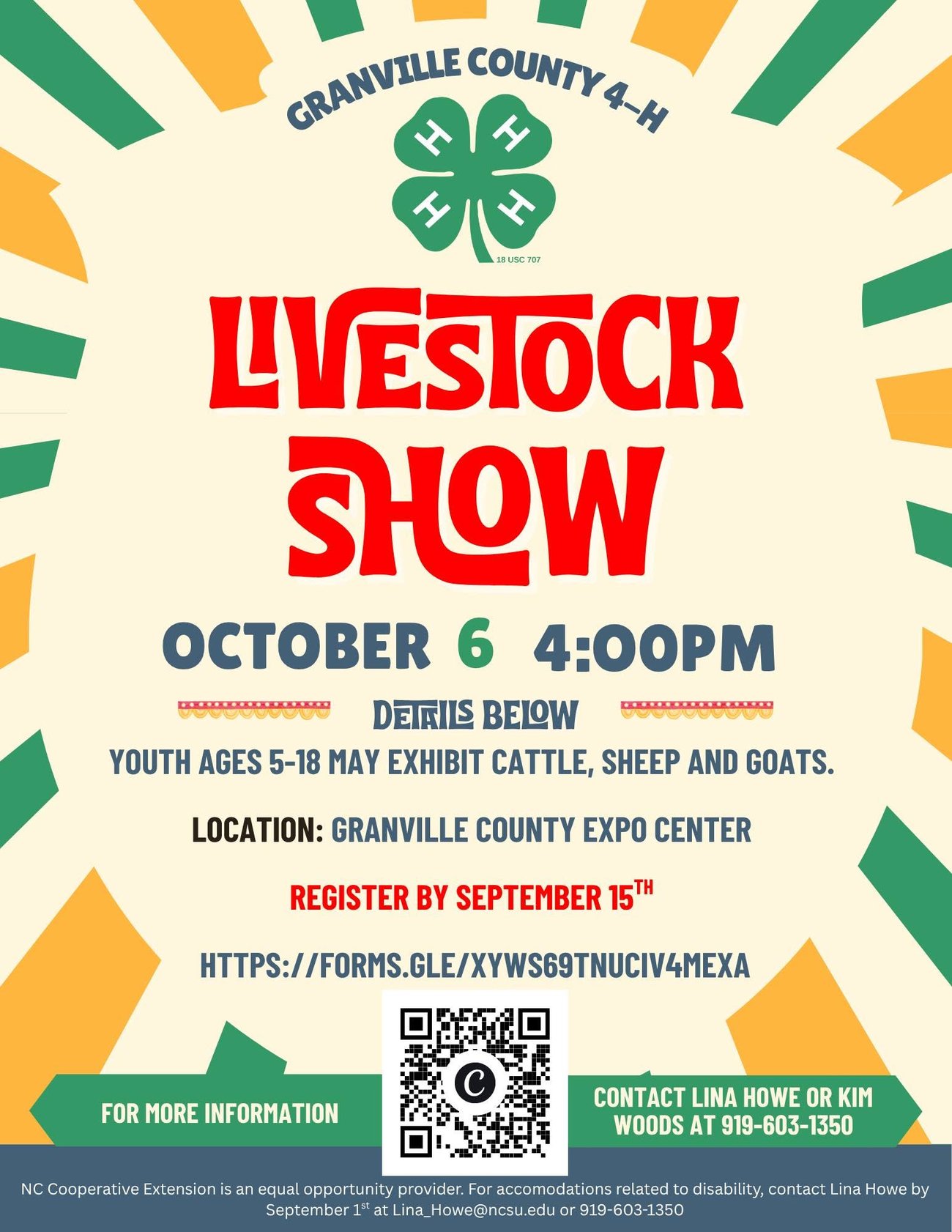
Granville County Livestock Show |
 |
|
The Granville County livestock show will be held on Tuesday, October 6, 2026, starting at 4 pm at the Granville Expo Center barn. This show is for Granville youth ages 5-18 to exhibit cattle, sheep or goats. This is a terrific opportunity for these kids to learn husbandry and leadership skills along with patience and record keeping. Invite your friends and neighbors and come out to support these youth and their livestock projects. |
|
|
|
|
|
|
4 County Poultry Show and Sale |
|
|
|
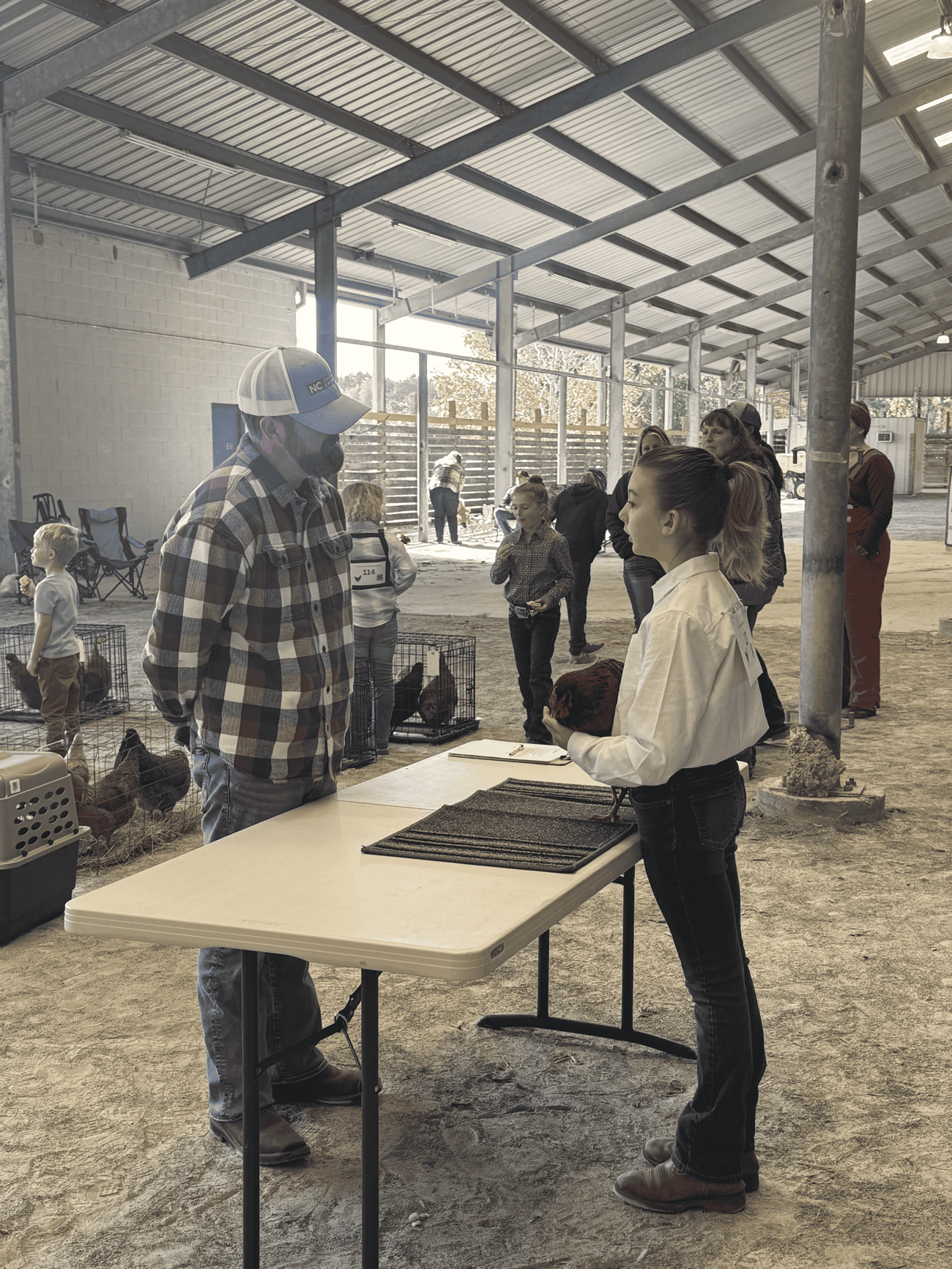
The 4-County Poultry Show and Sale will be held on Saturday, October 24, 2026. The show will start at 10 am at the Granville Expo Center barn. Youth from Franklin, Granville, Vance and Warren Counties received 3-day old chicks in May of this year. They having been raising and caring for these birds since then, and through this project have learned poultry husbandry skills, leadership qualities, record-keeping capabilities and other life skills. The youth will have their birds judged for production qualities and themselves judged for showmanship skills. Birds exhibited that day will be auctioned off after the show. This is a great place to purchase tame, handled birds that are or about to start laying. Come out and support these kids and their poultry projects and maybe take home some birds to add to your flock. |
 |
|
|
|
|
|
October Cattlemen's Meeting |
 |
|
|
|
Granville and Person County Cooperative Extension is pleased to announce that the National Cattlemen’s Beef Association (NCBA) President, Gene Copenhaver, will be speaking at the October joint Person and Granville Cattlemen’s meeting on October 22, 2026, beginning at 6:30 pm. The meeting will be held in the Person County Office Building Auditorium located at 304 S. Morgan St. Roxboro, NC.
Gene Copenhaver is a fifth-generation cattleman whose family dates to the 1850s in Washington County, Virginia. Copenhaver currently manages his family’s stocker operation in southwest Virginia with his son, Will. Copenhaver was an agriculture loan officer for 38 years and served his clients who were primarily cattle producers in five East Coast states. Copenhaver has served in many leadership roles on the local, state and national levels. Additionally, he graduated from Virginia Tech with a degree in animal science.
A sponsored meal will be served; please RSVP to kdwoods@ncsu.edu or 336-599-1195. We look forward to seeing a large crowd; it may be several years before we have an NCBA president on this side of the Mississippi.
|
|
|
|
|
|
Bull BSE |
|
Once again, Granville and Person County Cooperative Extension, along with Franklin, Warren, Vance, Caswell, Durham and Orange, will be hosting a Bull Breeding Soundness Exam on November 2, 2026, from 9am- 2pm at the Granville County Livestock Arena, located at 4400 Cannady Mill Road in Oxford, NC. Having a BSE performed on your bull prior to breeding season is like insurance, making sure the bull can perform his job. The cost is $20 per bull, pretty cheap insurance. If you would like to schedule a time to have your bull evaluated, email kdwoods@ncsu or call 336-599-1195. If you are interested in learning more or observing the day of the evaluations, come out to see and learn. Call the Extension office for more information. |
|
|
|
Hay Finder Tool |
|
|
|
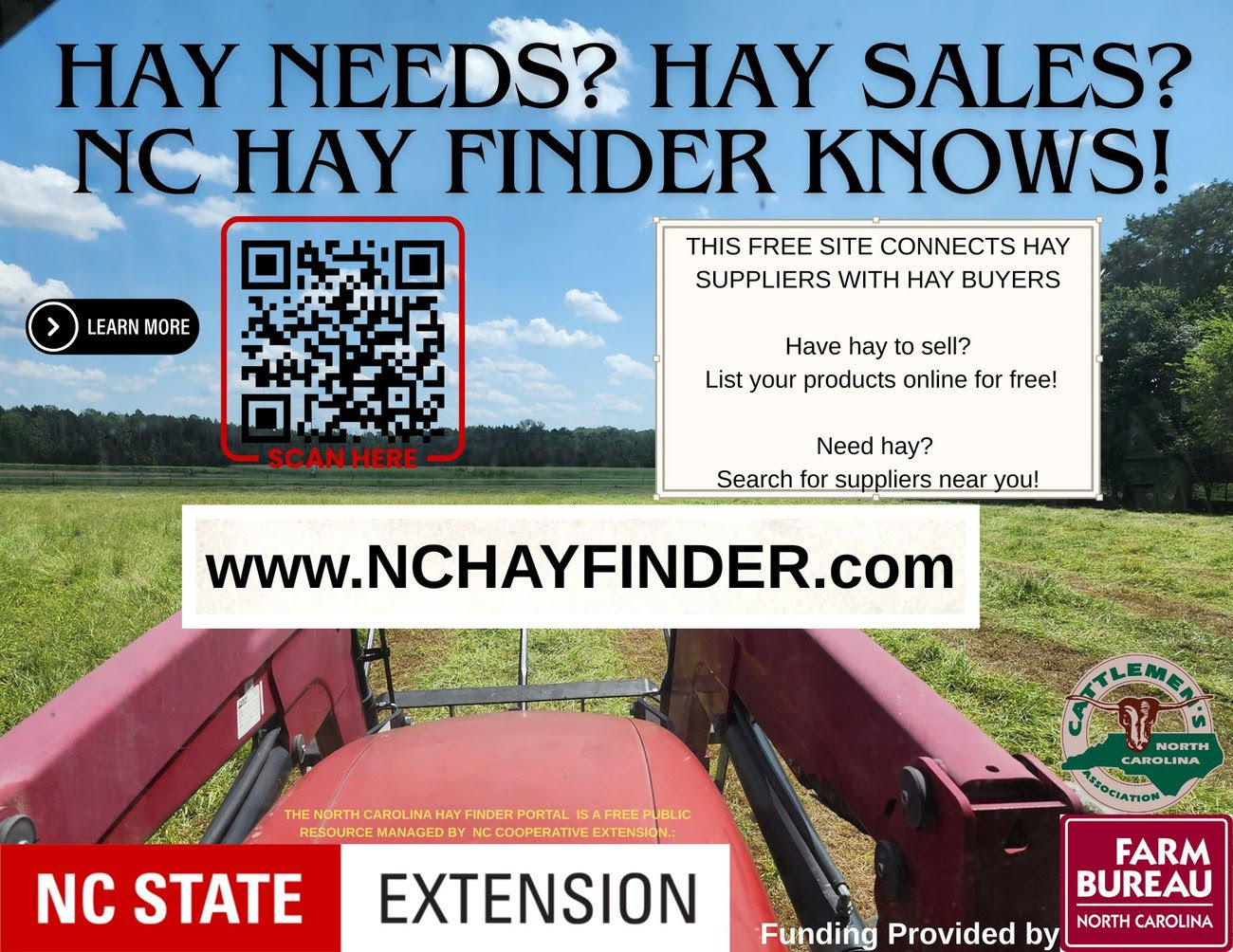
This year will certainly go down in the history books and many of us would probably like to forget a lot about 2026 – especially the heat and drought. The weather experienced this year made hay production difficult, at best. Many folks had very poor spring cuttings and fall cuttings typically don’t produce that much hay; although some may have had a better than normal fall cutting. All that to say is the hay will likely be short this year. If you typically purchase hay for your animals, you should probably go ahead and make those arrangements. If your usual supplier does not have enough for you, then you can access the NC Hay Finder Tool. It is sort of a classified ads listing for hay. You can search for hay for sale. Of if you’re a hay producer, you can list hay that you have for sale. There is no charge to list or search. If you are looking for hay to purchase, you may want to consider looking a little farther outside of your normal area, as other parts of the state may have received some timely rains to help with hay production this year. Find at https://www.nchayfinder.com/ |
 |
|
|
|
|
|
|
Soil Test Price Increase |
 |
|
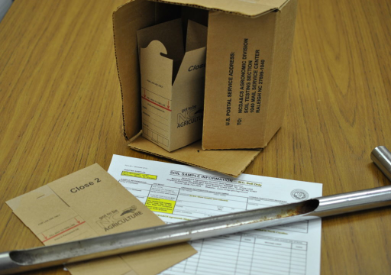
We have entered fall, according to the calendar, which means Thanksgiving is not that far way. And that is the time when having your soil analyzed will cost you a little bit of money. Currently, we are in the “Free” time of soil testing. But that changes around Thanksgiving, and this year it will increase a little bit to $5 per box. That is still a great bargain. But if you are really thrifty, then plan on getting your soil, in the boxes, and completed forms to the Extension office by November 18 at 5 pm to make sure we can get them to lab in Raleigh before their deadline. If you can’t get your samples to us by then, you can still get the analysis done, it will just cost a little bit of money - $5 per sample. |
|
|
|
|
|
Crops Section
Harvest Season Safety: A Reminder for Everyone
Article written by Amy Timmerman – Extension Educator with University of Nebraska-Lincoln.
Harvest season is here — long hours and heavy traffic mean higher risks. A few simple precautions can save lives this season.
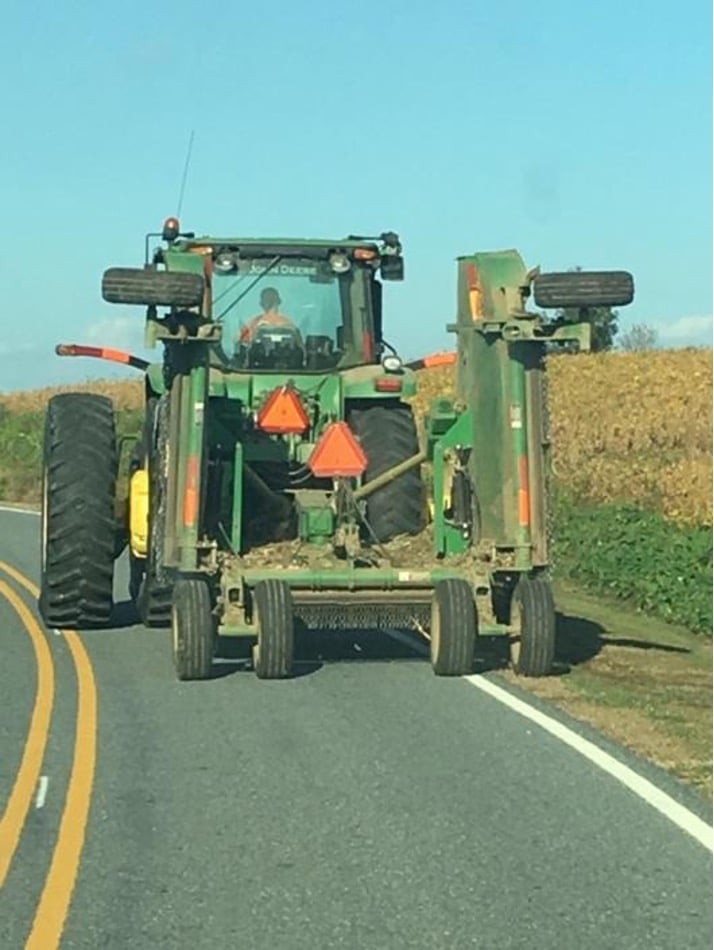
As harvest season begins across our state, the familiar call of “Be Safe!” echoes from loved ones as they head out to work. With machinery now populating our roads, messages on the radio and social media urge us to “slow down” and remain vigilant. While these reminders are essential, the reality of the busy harvest period often brings high stress and long hours, which can lead to accidents.
According to the CDC, 368 farmers and farm workers lost their lives to work-related injuries in 2020, translating to a concerning rate of 18 deaths per 100,000 workers. Notably, transportation incidents are the leading cause of these fatalities.
Safety Tips for Harvest Season
For Farmers
-
Visibility: Ensure all lights, flashers and reflective tape on equipment are functioning and visible.
-
Warning Signals: Use appropriate flags, emblems and lights on all machinery.
-
Travel Precautions: Avoid traveling after sunset and during peak traffic times.
-
Maintenance: Clean equipment to prevent mud on roadways and check for overhead obstacles.
-
Transport Safely: Balance loads, transport equipment correctly and communicate clearly with signals.
For Auto Drivers
-
Be Patient: Remember that farmers will pull over to let you pass when it's safe.
-
Expect Slower Speeds: Farm equipment typically travels at 5-15 mph.
-
Maintain Distance: Give ample space when meeting or passing large equipment.
-
Watch for Signals: Be attentive to turn signals and hand signals from farmers.
General Reminders
-
Stay Alert: Both farmers and drivers should minimize distractions and stay aware of their surroundings.
-
Plan Ahead: Schedule work to avoid high-traffic times and ensure all safety measures are in place before starting tasks.
As we navigate this critical time, let’s prioritize safety on all fronts. Farmers, please ensure your equipment is visible and well-maintained. Drivers, exercise patience and awareness around farm machinery. Together, we can work to keep our communities safe during this busy season. Stay alert, stay safe!
|
 |
|
|
|
Getting Ahead of Italian Ryegrass in the 2026-2027 Winter Wheat Season
Written by Ryan Hamberg — Contributors: Charlie Cahoon | September 23, 2026
Posted on the NC State Extension Small Grains portal: https://smallgrains.ces.ncsu.edu/news/getting-ahead-of-italian-ryegrass-in-the-20262027-winter-wheat-season/
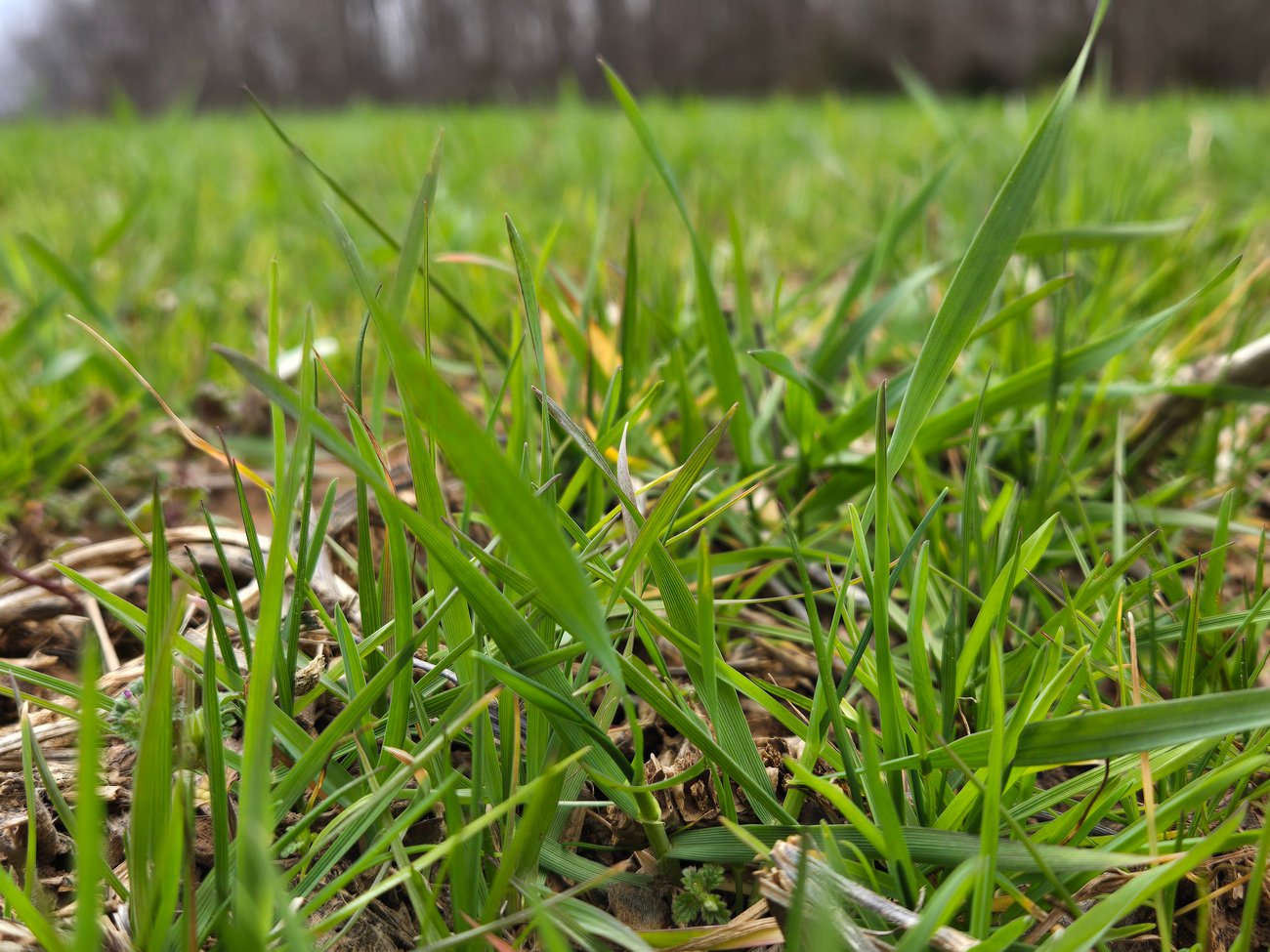
As wheat planting approaches in North Carolina, weed management decisions made before and shortly after planting will dictate whether we can achieve season-long control. This is especially true for Italian ryegrass, which drives most weed management decisions in our state.
Step 1. Start clean with an effective burndown.
Starting with a clean field before wheat planting is critical, but this has become increasingly challenging as Italian ryegrass populations across North Carolina have developed resistance to several of our key herbicides. A recent statewide survey of populations collected from wheat fields with observed ryegrass escapes identified resistance to mesosulfuron (Osprey), pinoxaden (Axial XL), glyphosate (Roundup PowerMax 3), and paraquat (Gramoxone 3.0), including populations with two-, three-, and four-way multiple resistance.
Where glyphosate-resistant Italian ryegrass is suspected, paraquat remains one of our primary burndown options ahead of wheat. Remember that paraquat is a contact herbicide with no residual activity, so weed size and spray coverage are critical. Target small ryegrass plants and use adequate carrier volume. We suggest at least 15 GPA, with 20 to 40 GPA preferred for ground applications of paraquat. The current Gramoxone label also requires medium or coarser droplets.
Availability of paraquat will soon change. Syngenta now confirms that Gramoxone production has ceased, with sales ending by December 31, 2026, or when existing supplies are exhausted. Importantly, this does not mean paraquat is going away. Other paraquat formulations are currently available and may remain on the market, but growers should check individual product labels and availability.
If Italian ryegrass in a field remains susceptible, glyphosate remains an effective burndown option. However, repeated failure with glyphosate, or a history of confirmed resistance, is a good reason to choose another effective strategy. Fields with resistance to both glyphosate and paraquat require a different approach. Waiting until wheat planting may leave few effective chemical burndown options. Where ryegrass remains susceptible to clethodim, an earlier Select Max treatment may be an option, but wheat must not be planted until at least 30 days after application.
Future research investigating additional burndown options ahead of wheat is planned; stay tuned for results.
Step 2. Keepin’ it clean with a residual herbicide.
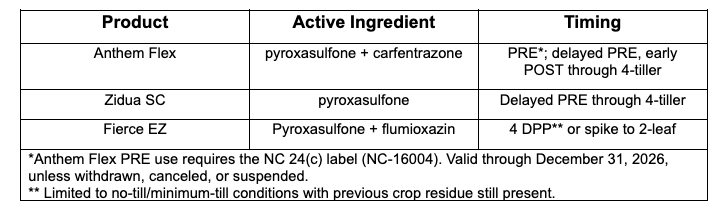
Once you control emerged ryegrass, the next step is choosing a residual. Pyroxasulfone-containing products such as Zidua SC, Anthem Flex, and Fierce EZ are excellent options for residual Italian ryegrass control in wheat. While all three contain pyroxasulfone, differences in additional active ingredients and labeling provide some flexibility in application timing (Table 1).
Zidua SC can be applied delayed pre-emergence (PRE) (once 80% of germinated wheat have shoots at least ½ inch long), before wheat spiking, as well as early post-emergence (POST). Anthem Flex can be applied PRE in North Carolina under a 24(c) supplemental label, in addition to delayed PRE and early POST timings. There are increased risks for wheat injury on coarse soils with Anthem Flex applied PRE. Please look at the 24(c) supplemental label for further details regarding Anthem Flex applications PRE. Fierce EZ can be applied at least 14 days before planting or from approximately wheat spiking through the 2-leaf stage. When applying Fierce EZ preplant, there are risks of pyroxasulfone moving into the seeding zone before wheat germination, which can cause significant injury. |
 |
|
Recommending the “best” pyroxasulfone timing is difficult; each option has pros and cons. Applying pyroxasulfone at planting provides residual activity against early-emerging ryegrass. Delaying the application may shift more residual activity later into the fall and potentially improve control of later-emerging ryegrass. However, delaying the residual is not always better, especially if ryegrass emerges before application. Pyroxasulfone has little to no activity on emerged ryegrass. If ryegrass emerges before the delayed application, you will need to control those plants with another herbicide. Fields with a history of heavy early emergence may benefit from getting the residual out sooner, while delayed applications may have more value where ryegrass emergence tends to be prolonged. There is risk for crop injury when applying pyroxasulfone products prior to wheat emergence. Following product-specific planting-depth, seedbed, soil, and rainfall restrictions reduce the risk of wheat injury.
Rainfall following application is also important. Pyroxasulfone requires moisture for activation, and approximately 0.5 inch of rainfall or irrigation may be needed for optimum activity. Applying pyroxasulfone earlier may also increase the likelihood of rainfall before ryegrass emergence, improving the chance the herbicide activates in time. Extended dry conditions following application can reduce residual control.
Consider the broader weed spectrum when selecting a product. Fierce EZ contains flumioxazin in addition to pyroxasulfone, which can provide additional residual control of several broadleaf weeds.
We still need more North Carolina data to determine how pyroxasulfone timing influences the length and consistency of Italian ryegrass control. Future research will evaluate PRE and delayed-PRE applications to better understand where these timings fit across different ryegrass emergence patterns and environmental conditions.
For additional herbicide options, rates, application timings, and weed control recommendations in wheat, refer to the 2026 North Carolina Agricultural Chemicals Manual. |
 |
|
|
|
|
|
|
4-H Youth Development
Lina Howe, Extension Agent |
|
|
|
|
Granville Clover Explorers 4-H |
|
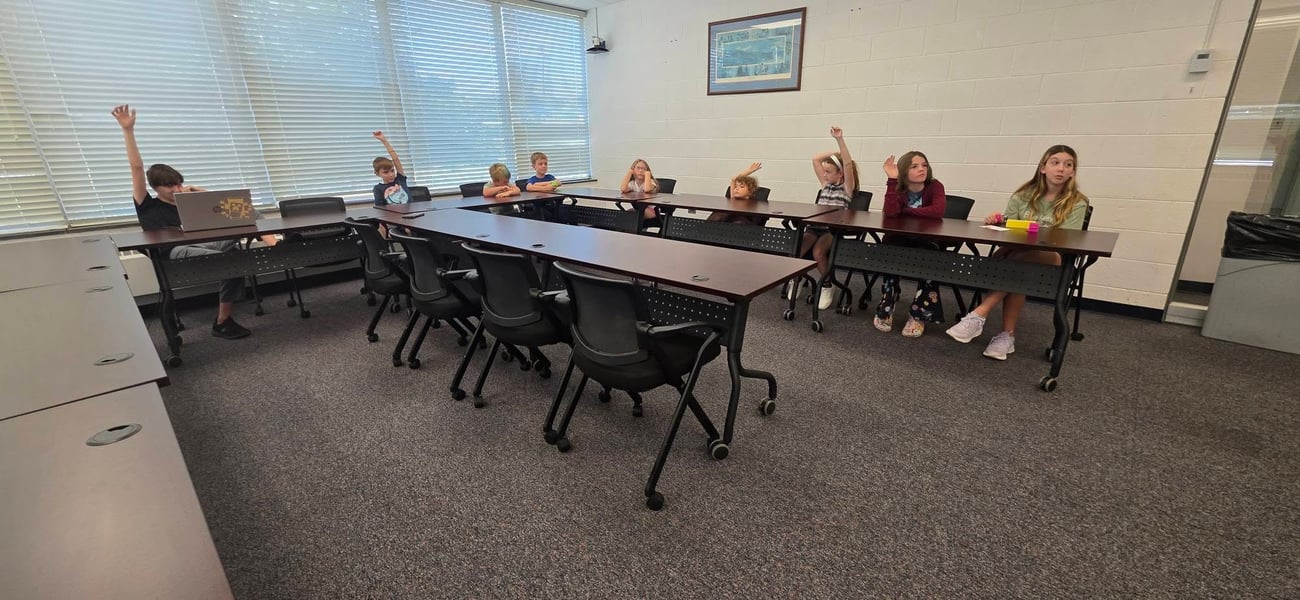
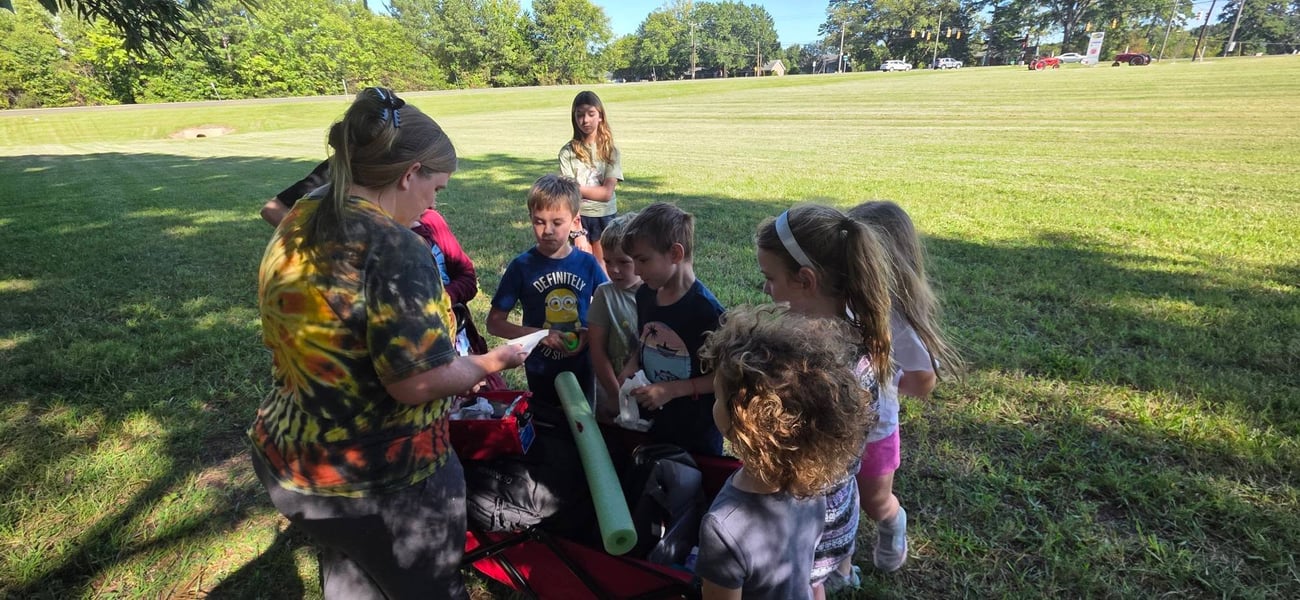
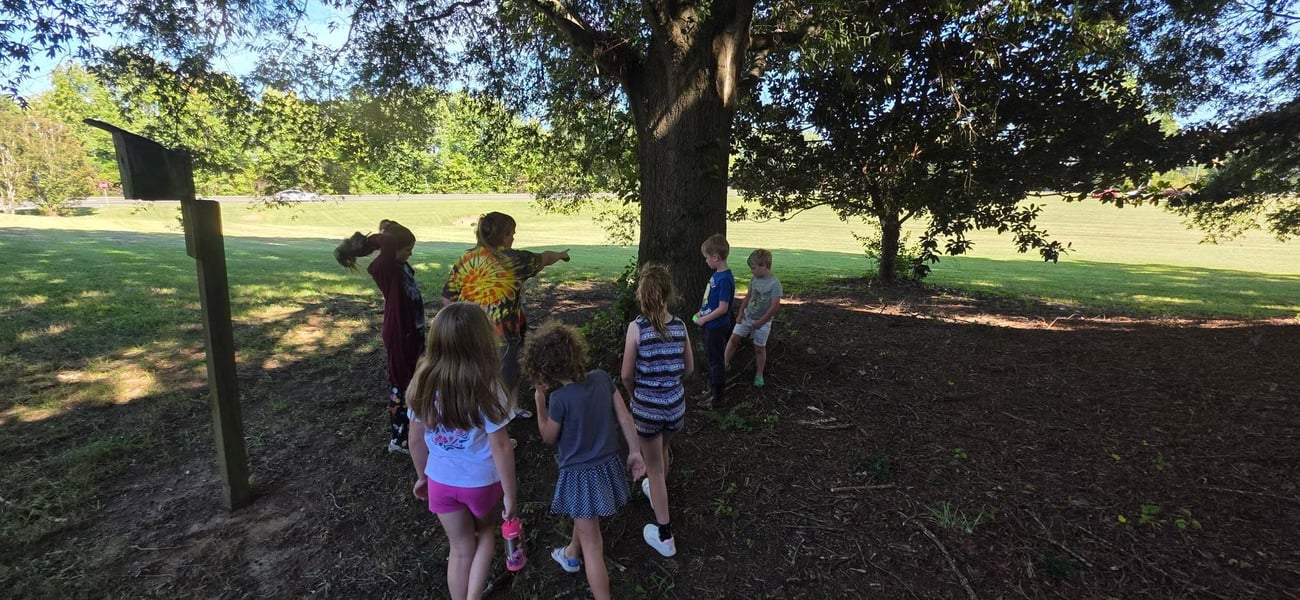
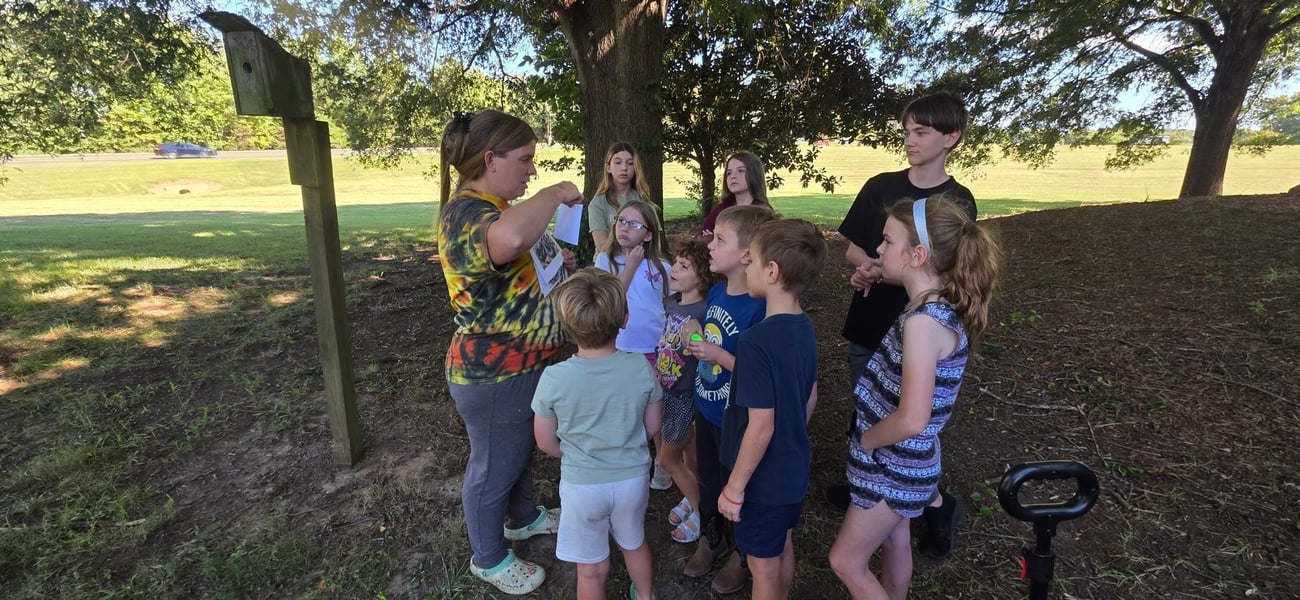
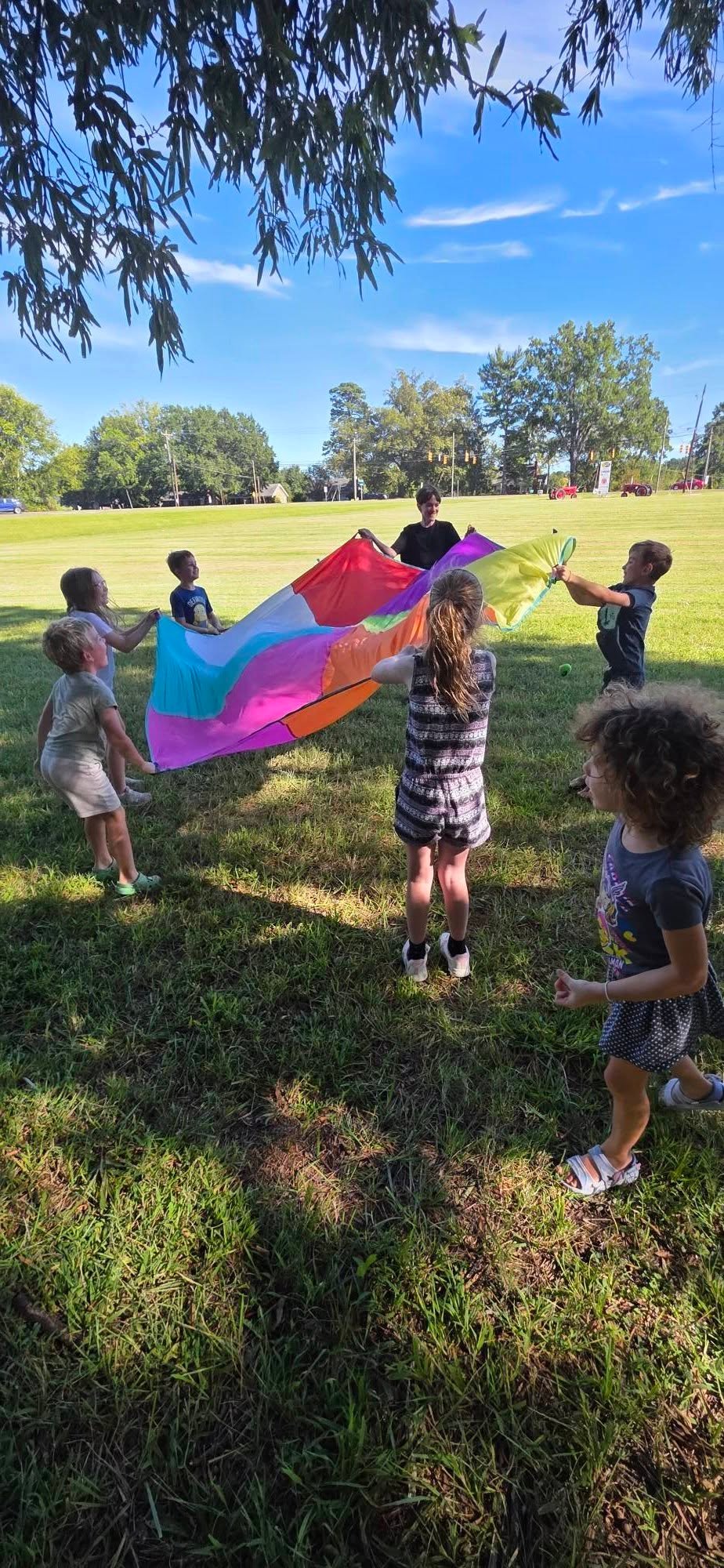
Our Granville Clover Explorers spent the meeting reviewing EVERYTHING we’ve learned throughout our Survival Unit! We started with a little Q&A to see what our members remembered, and then headed outside to put some of those skills into action. The members went on a walk and worked together to find a good location to pitch a tent. Once we found our spot, we reviewed tent parts and talked about what makes a good shelter location. We also reviewed: Snake safety Edible plant identification Compass directions First aid basics Packing a survival bag Survival skills we’ve practiced throughout the unitAnd of course, we had to make it fun! Our members took on a bag-packing activity outside, working to decide what items would actually be useful in a survival situation and which bag they'd go in. We finished up a little early, which meant it was time for some parachute fun and free time! It has been so much fun watching our members learn, practice, and gain confidence with these skills throughout the entire Survival Unit. They’ve come a long way! And now… it’s almost time to put it ALL to the test! Our next meeting will be the 4th Sunday in October from 2–4 PM, when our members will put their Survival Unit knowledge and skills to use in a fun survival competition! Think they’re ready? We’re about to find out! |
|
|
|
|
|
|
|
|
|
4-H Livestock Show |
|
Join us to support the hard work of our youth and their animal projects! |
 |
|
|
|
|
|
Landscape Workshop |
 |
|
A Landscape Workshop is planned for November 5th at the Granville County Expo Center in Oxford. This event will include Extension Specialist from NC State. Topics discussed will be Turf Pathology (Dr. Jim Kerns), Turf Entomology (Dr. Terri Billeisen), Ornamental Plant Care (Dr. Barbara Fair), and Weed Control in the Landscape (Dr. Joe Neal). Presentations will begin at 9:00 am and go until 3:00 pm. There is a $10 registration fee which includes lunch. For more information please contact Johnny Coley – jwcoley@ncsu.edu; Granville - 919-603-1350; Person - 336-599-1195 |
|
|
|
Wreath Workshop |
 |
|
The Friends of Extension Master Gardener Volunteers in Granville/Person County (FEMGVGPC) will be having their annual Wreath Making Workshop on December 5th. This year the workshop will be held in both Granville and Person County. The event will have 2 sessions, the first of which will be from 9:00 am – 10:30 am and the second session will be from 11:00 am – 12:30 pm. All materials will be provided, including ribbon and bows. The cost is $45 per wreath payable by check or cash. To register please call or text 919-451-9745. |
|
|
|
|
|
Stay connected, stay curious, and take advantage of the many programs, resources, and opportunities available through our office. Whether you’re growing a garden, supporting youth development, improving your health, or strengthening your farm or community, we are here to help. Thank you for being part of our Extension family, and we look forward to serving you throughout the season ahead! |
 |
|
For more information and event updates, visit our website at https://granville.ces.ncsu.edu/ |
|
|
|
|
|
 |
|
|
|
|
NC State University and N.C. A&T State University work in tandem, along with federal, state and local governments, to form a strategic partnership called N.C. Cooperative Extension.
This institution is an equal opportunity provider.
N.C. Cooperative Extension - Granville County, 125 Oxford Loop Rd, Oxford, NC 27565, United States
Click here to unsubscribe
By clicking unsubscribe above, you will unsubscribe from ALL electronic newsletters from this county office. If you would like to unsubscribe from specific mailings, please reply to this email and let us know what program you are no longer interested in receiving electronic communications from. |
|
|
|
|