|
|
|
|
|
|
Woodland Owners Notes eNewsletter
|
|
|
|
|
|
|
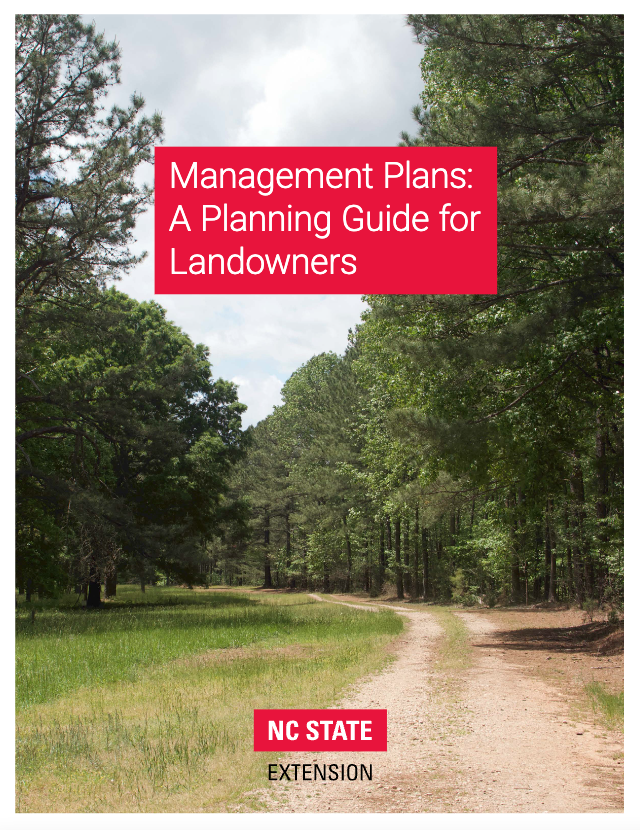
Management Plans: A Planning Guide for Landowners
We recently updated our management planning guide! Whether you're a woodland owner updating a long-standing plan or you're creating one for the first time, this publication is a great first step into managing your land for success!
"Managing woodlands to improve their benefits is a step-by-step process, and this publication will help you understand the process and begin developing a sound management plan for your woodlands."
Learn More »
|
|
|
|
|
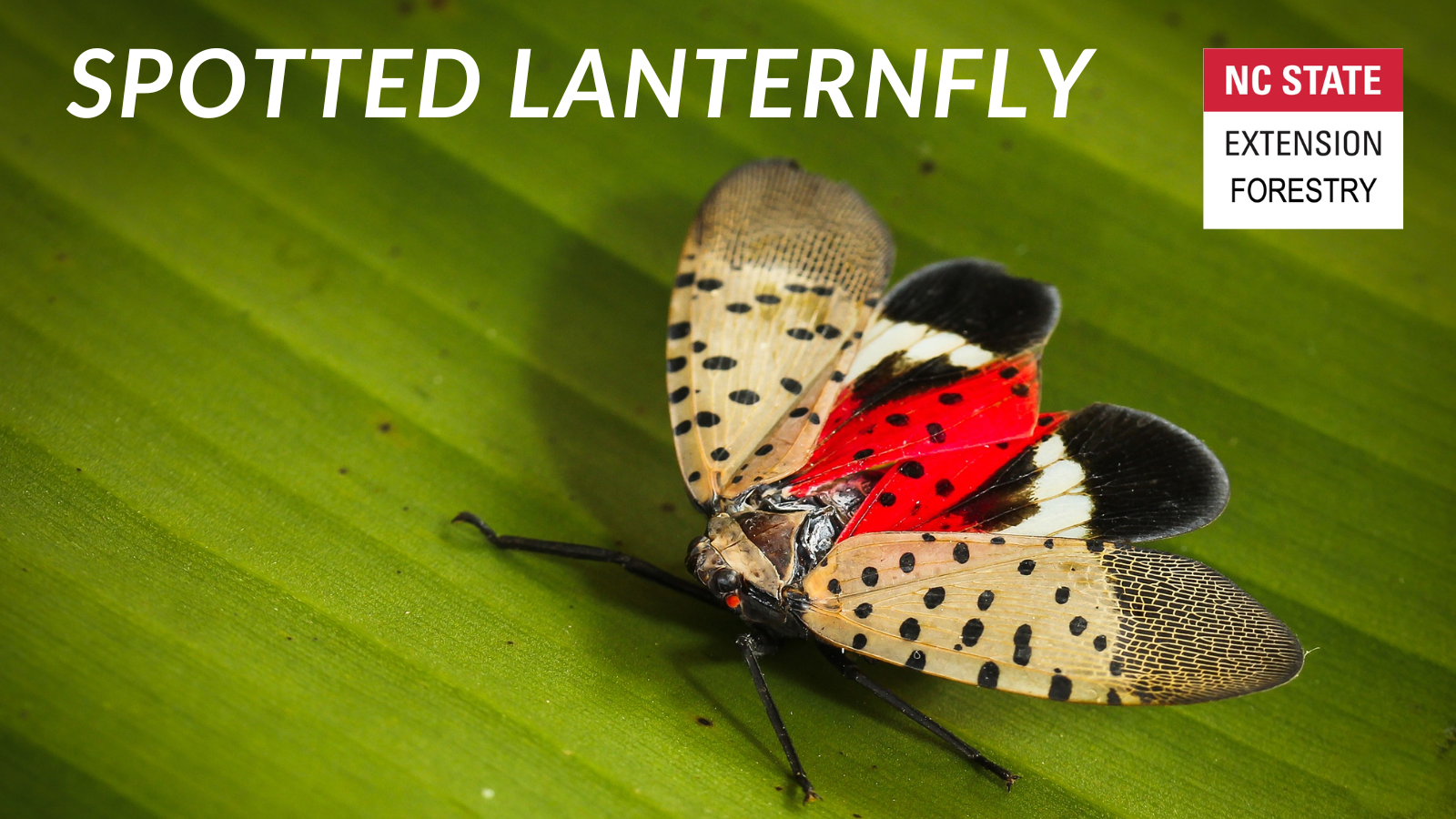
Adult Spotted Lanternfly Emerging in NC
We expect adult spotted lanternfly (SLF) to begin emerging soon (June and July). With recent confirmations of SLF in 7 NC counties (Caldwell, Caswell, Davidson, Forsyth, Guilford, Rockingham, Rowan), we urge you to keep your eye out for these invasive pests.
If you see one in a county not confirmed, report it and squash it!
See our Spotted Lanternfly page for management guides, look-alikes, DIY egg traps, and more!
|
|
|
|
|
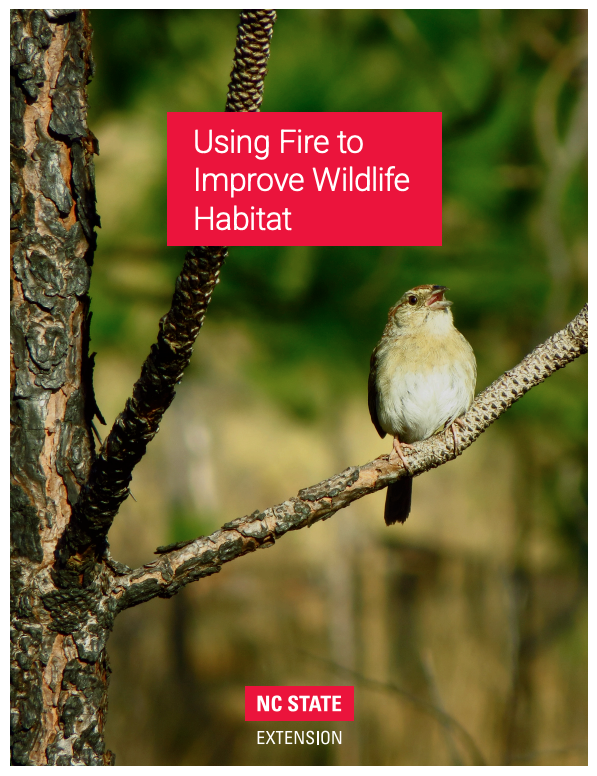
Using Fire to Improve Wildlife Habitat
For thousands of years, our lands burned frequently, with fire an integral part of our ecosystem. This practice remains hugely valuable for wildlife today. Learn about the importance of fire for wildlife, specific burn prescriptions for different wildlife species of interest, and ecosystem-specific considerations for burning for wildlife in our recently updated "Using Fire to Improve Wildlife Habitat" publication.
|
|
|
|
|
July Woodland Tips & Resources
Managing Drought Conditions: Drought conditions persist in North Carolina. The Forest Drought Response Index demonstrates growing areas of 'abnormal dry, moderate, severe, or extreme drought' in NC. Signs of drought stress in trees include yellowing or browning leaves and early leaf fall. Read more about caring for your trees during drought »
Beat the Heat: Remember, when working in your woodlands this summer, please practice heat safety. Drink lots of water, wear sunscreen, find shade, and take lots of breaks! Take a look at these ReadyNC.gov resources to avoid heat illnesses and dehydration.
|
|
|
|
|
Coming Events of Interest to Woodland Owners
June 30th, 2026 (Tu), 2 - 3:30 PM ET, Forest Landowner Payment Programs Webinar. Don't miss the Society of American Foresters' (SAF) FREE Forest Landowner Support Webinar and discover programs that offer financial assistance to help you manage your land. CFEs are available. Learn more and register in advance on the SAF webinar event page.
July 10th, 2026 (F), 9 AM - 3 PM ET, Project Learning Tree Explore Your Environment Workshop in Concord, NC. Join classroom educators, nonformal educators, and natural resource professionals as we explore activities in Project Learning Tree's flagship activity guide, Explore Your Environment. Every participant will leave the workshop with a copy of the guide. Earn CEUs and EE Certification credits. Register for $20 by July 3rd on the NC PLT Cabarrus County event page.
July 16th, 2026 (Th), 8 AM - 5:30 PM ET, Youth STEAM Summit. Join the Sustainable Forestry and Land Retention Project's (SFLRP) Youth STEAM Summit in Rocky Mount, NC, to connect youth to Science, Technology, Engineering, Agriculture, and Math to increase knowledge and identify career options! Learn more and register in advance for free on the SFLRP event page.
Webinars & Online Learning
Forestry Webinars on Demand Webinars are a great opportunity to learn about different forestry topics from experts in the field. We have collaborated with professionals from a variety of backgrounds, including forestry, economics, law, and more to bring you relevant topics at home.
eFire This interactive site allows you to choose your own eFIRE experience! Become virtually immersed in a prescribed burn, learn why and how burns are conducted, read the provided resources, and/or hear from the multiple types of people who use prescribed fire as a land management tool!
|
|
|
|
Woodland Owner Notes E-news is a monthly email newsletter from Extension Forestry at NC State University. This newsletter is made possible through support from the Renewable Resources Extension Act and the National Institute of Food and Agriculture. The 2026 editors are:
Robert Bardon, NC State University, Extension Forestry, Raleigh, NC
Jim Hamilton, NC Cooperative Extension Service, Boone, NC
Alton Perry, Roanoke Cooperative, Rich Square, NC
Colby Lambert, NC Cooperative Extension, Lillington, NC
Jennifer Fawcett, NC State University, Extension Forestry, Raleigh, NC
Nathan Gatlin, NC Cooperative Extension, Wilkesboro, NC
Jameson Boone, NC State University, Extension Forestry, Raleigh, NC
Send Comments and Suggestions to the Editor, Savannah Moore, at NC State University, Email: extension_forestry@ncsu.edu.
If you received this email as a forwarded message, and like what you see, please add yourself to our mailing list by subscribing below.
|
|
|
|
|
|
NC State University promotes equal opportunity and prohibits discrimination and harassment based upon one’s race; color; religion (including belief and non-belief); sex, including but not limited to pregnancy, childbirth, or other related medical condition, parenting, and sexual harassment; sexual orientation; actual or perceived gender identity; age; national origin; disability; veteran status; or genetic information.
|
|
|
|
|
|
|
|
|
NC State University and N.C. A&T State University work in tandem, along with federal, state and local governments, to form a strategic partnership called N.C. Cooperative Extension.
|
|
|
|
|
|
|