|
|
|
|
|
|
|
|
|
|
|
|
|
|
|
|
|
|
Strategic Prescribed Fire Use Highlighted as a Tool for Reducing Wildfire Threat in the Southeast
|
|
|
|
|
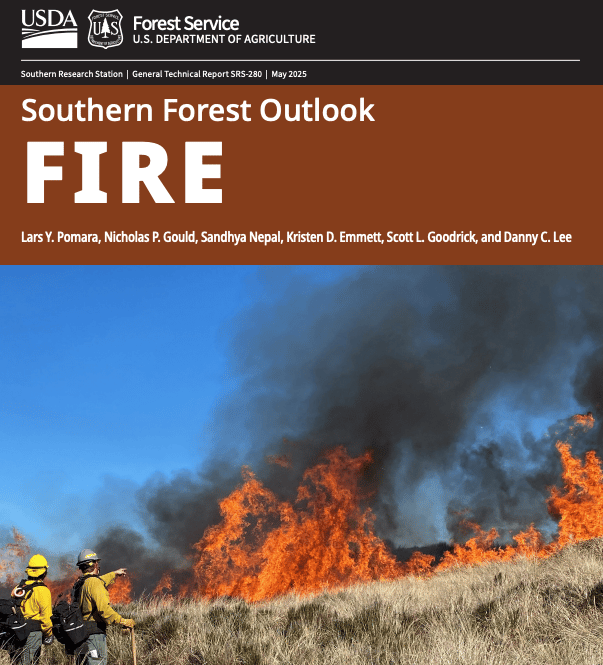
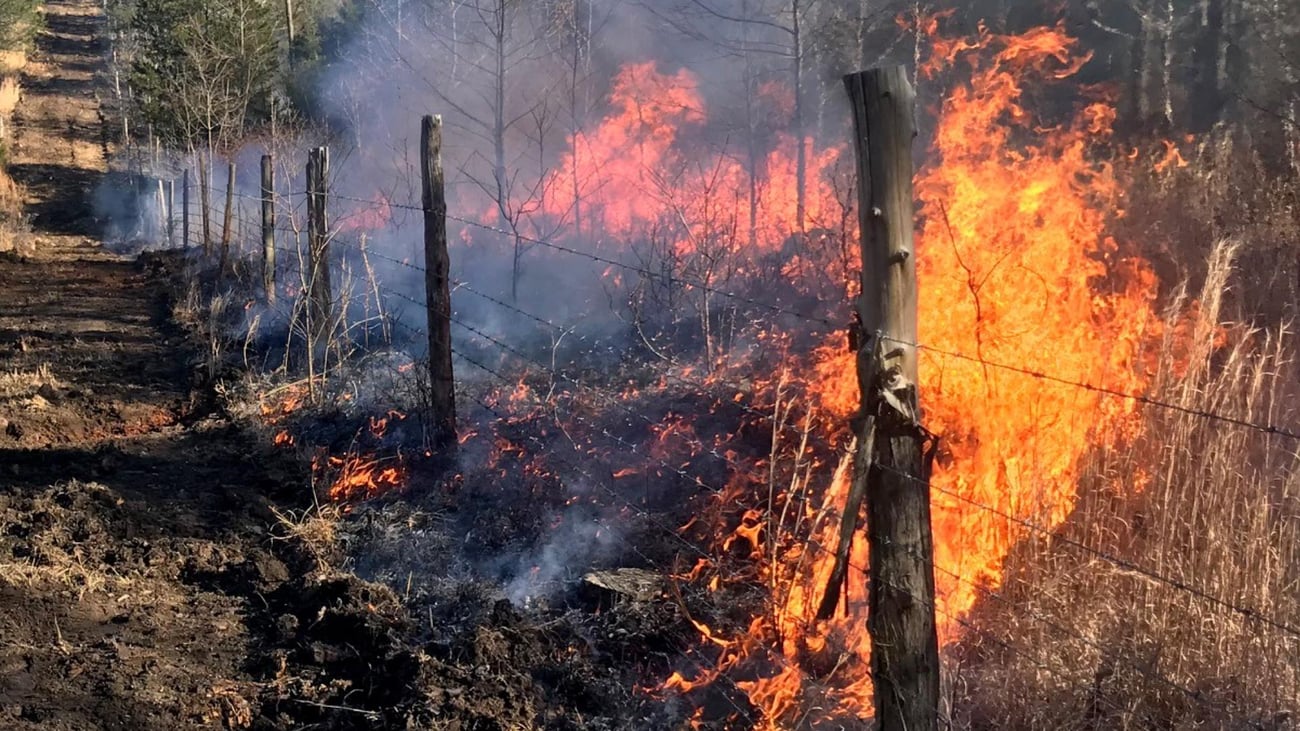
The USDA Forest Service's Southern Research Station has released a new comprehensive report titled Fire: An Analysis to Support the Southern Forest Outlook. This report assesses current and future wildfire and smoke risks across the Southern U.S., emphasizing the role of prescribed fire in mitigating these threats. It highlights that, despite increasing challenges such as changing fire regimes and expanding wildland-urban interfaces, proactive forest management—including the use of prescribed burns—can effectively reduce wildfire risks and enhance ecosystem resilience.
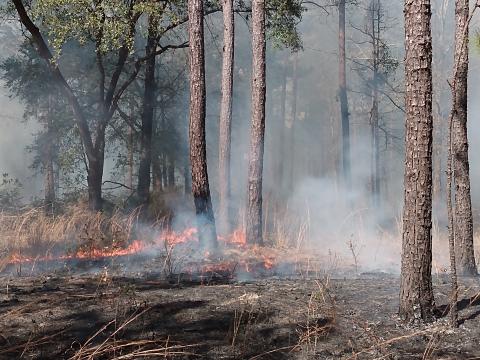
For fire managers in the Southeast, the report highlights the importance of and collaboration in strategic prescribed burning, especially as safe burn windows may become shorter
due to changing climate conditions. By identifying areas where fuel treatments can yield the highest returns, the report serves as a valuable tool for prioritizing efforts to protect communities, watersheds, and forest resources. Supporting prescribed fire capacity and expanding the workforce—especially through training and partnerships—will be essential to meet the region’s growing fire management demands while maintaining the health of fire-adapted southern landscapes.
|
|
|
|
|
|
Tippin' Torch: Tips for the Season
|
|
|
|
The National Interagency Fire Center has released the
Significant Wildland Fire Potential Outlook for June through September. The outlook indicates that the Southeastern U.S. is
expected to experience normal wildland fire potential through September. However, areas affected by Hurricane Helene, particularly those with significant tree damage, may face an earlier onset of the fall fire season if late-summer drought conditions develop.The US Drought Monitor can be used to get weekly drought assessments for your area and Texas A&M Agrilife Extension has provided a short article about the tool. It includes five facts that may answer some of your lingering questions while using the tool.
|
|
|
|
|
|
|
|
Prescribed Fire News Roundup
|
|
|
|
|
New Survey to Help Shape the Future of Fire Science Delivery and Outreach in the Southeast
|
|
|
|
|
The Southern Fire Exchange is seeking input from fire professionals, landowners, researchers, and policy makers through a new regional needs survey. Your feedback will help shape the future of fire science delivery, outreach, and collaboration across the Southeast. The survey is open until June 21, 2025, and
only takes a few minutes to complete—make your voice heard!
|
|
|
|
|
|
|
|
|
New Article Sheds Light on When and Why Prescribed Fires Escape
|
|
|
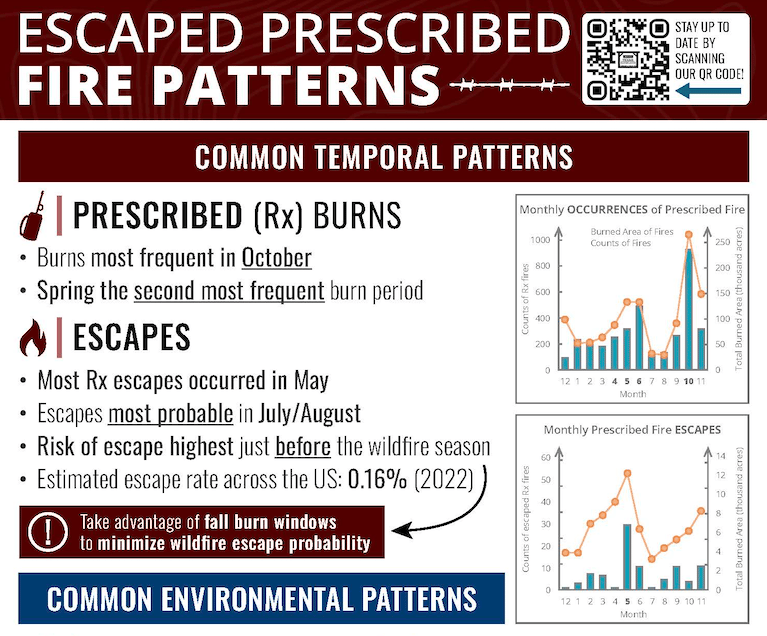
A recent article from Texas A&M Agrilife Extension highlights that while prescribed fire escapes are rare—occurring in just 0.16% of cases nationwide—certain factors can increase the risk. Escapes are most likely in late spring and summer, particularly under high winds, low humidity, and in areas with significant tree cover. For Southeastern fire managers, favoring fall burn windows and
closely monitoring weather conditions can help maintain the safety and effectiveness of prescribed fire programs.
|
|
|
|
|
|
|
|
|
|
Prescribed Burn Associations Highlighted in News Story about Prescribed Burning and Wildfire Resilience
|
|
|
|
|
A recent news story highlighted the importance of PBAs in building wildfire resilience. The growing wildfire risk in Missouri has led local groups like the Niangua Basin Prescribed Burn Association to use prescribed fire to reduce fuel loads and protect communities. This community-driven approach mirrors efforts across the Southeast, where prescribed burning is key to managing wildfire risks and maintaining healthy forests. Such programs help build resilience in fire-prone landscapes and safeguard people and ecosystems.
|
|
|
|
|
|
|
|
|
Advancing Fire Management and Accelerating Innovation for Southeastern Prescribed Burns
|
|
|
The new annual report from the Eastern Innovation Landscape Network (EILN) highlights the collaboration and its focus on developing advanced tools to improve prescribed fire management in the eastern U.S., including the Southeast. By working closely with land managers, EILN is creating technologies like BurnPro3D and QUIC-Fire that help predict fire behavior and effects, enhancing both the safety and effectiveness of prescribed burns. These innovations support healthier ecosystems and reduce wildfire risk across the region.
|
|
|
|
|
|
|
|
|
|
|
|
|
|
Other Fire Highlights and News
|
|
|
|
|
|
|
Improving Smoke Impact Predictions for Safer Prescribed Fires in the Southeast
|
|
|
|
|
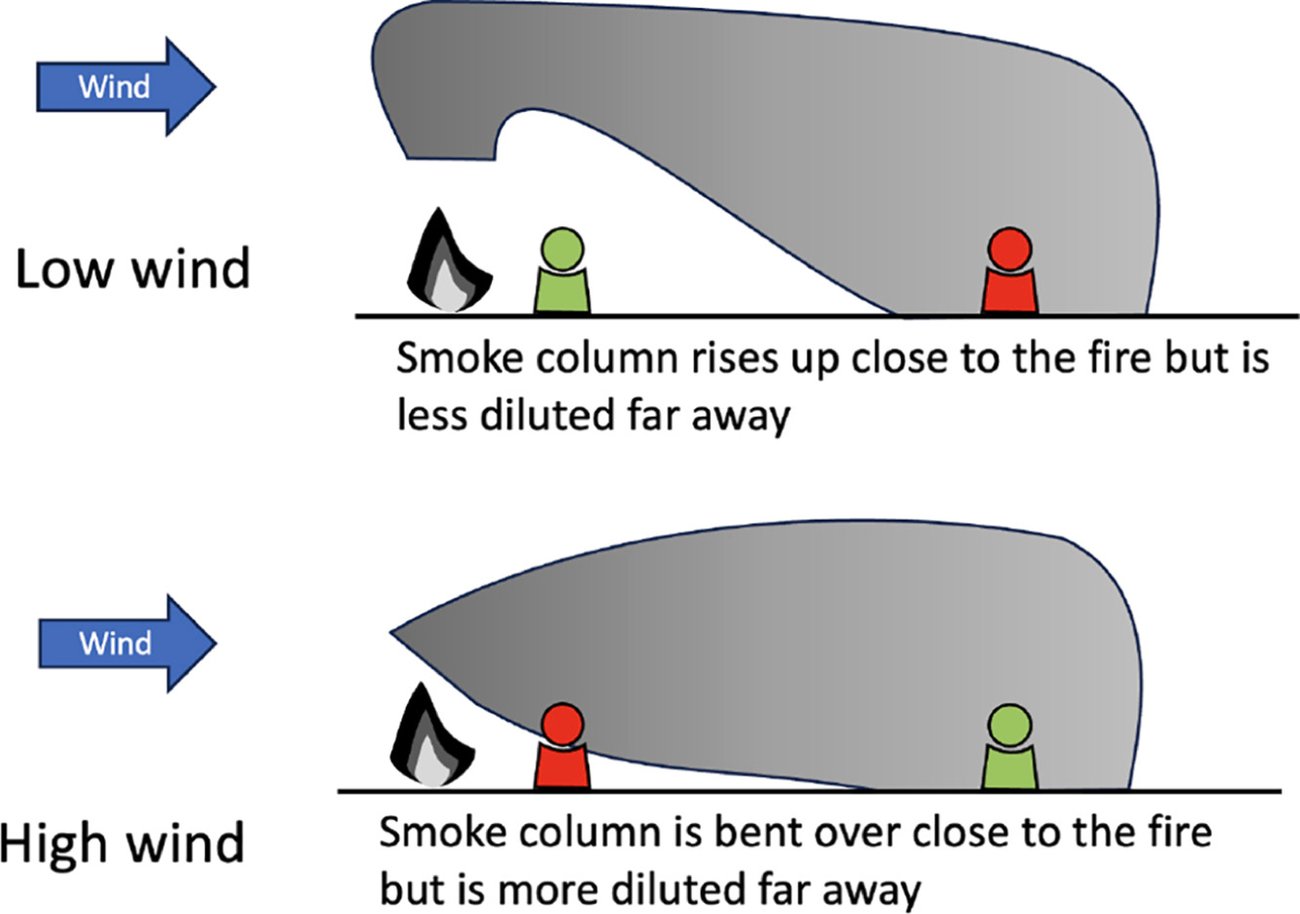
A new study published in Environmental Modelling & Software introduces an advanced framework to better evaluate road visibility impacts from prescribed fire smoke, improving on existing models by capturing detailed fire and smoke behavior near burn sites. Using a Fort Stewart, GA test case, the research found that wind speed plays a critical role—faster winds can lead to brief visibility reductions and potential fire escapes, while slower winds may prevent full burns. This work helps prescribed fire managers in the Southeast balance effective fuel reduction with public safety by optimizing burn timing and minimizing smoke hazards on nearby roads.
|
|
|
|
|
|
|
|
|
Prescribed Fire’s Role in Supporting Wetland Amphibian Diversity in the Southeast
|
|
|
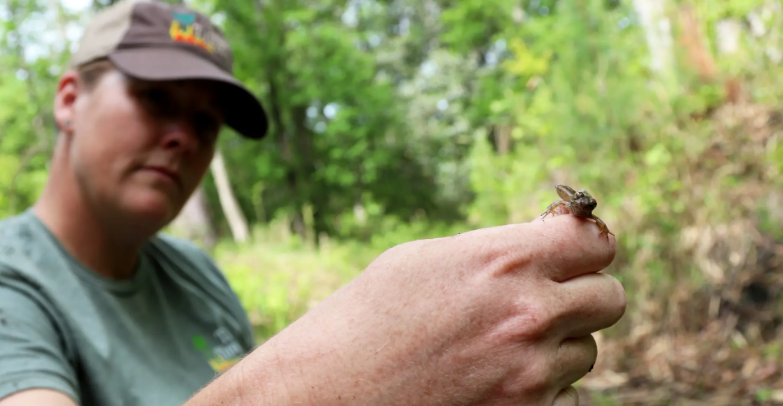
| Prescribed fire in and around southeastern wetlands plays a vital role in maintaining open, grassy habitats that support diverse amphibian populations like eastern newts and tiger salamanders. Regular burns help keep shorelines free of woody shrubs and improve water quality by reducing leaf litter, which benefits aquatic life and promotes healthy food webs. Collaborations with private landowners are key to monitoring these species and applying targeted fire management to sustain and restore wetland biodiversity.
|
|
|
|
|
|
|
|
|
|
|
|
|
|
|
|
|
|
|
|
|
|
|
|
|
|
|
|
|
|
- Durham, North Carolina
- The Nature Conservancy
- Closes June 14
|
|
|
|
- Craven County, North Carolina
- North Carolina Forest Service
- Closes June 11
|
|
|
|
|
|
|
- Sarasota, Florida
- Sarasota County, Department of Parks, Recreation, and Natural Resources
- Open Until Filled
|
|
|
|
- Hollywood, Florida
- Seminole Tribe of Florida, Department of Conservation
- Open Until Filled
|
|
|
|
|
|
|
|
|
|
|
Click here for a useful resource for students studying fire. Click here for a useful resource on fire career paths. Click here for the FireUp job board, a job posting site for fire and forestry work.
|
|
|
|
|
|
|
|
|
|
|
|
|
|
Fire Training Courses and Workshops
|
|
|
|
|
|
|
|
|
|
|
|
|
|
|
|
|
|
|
|
Virtual and In-Person Field
Trips
|
|
|
|
|
|
|
|
|
|
|
|
|
|
|
Click here for a useful resource on other fire trainings offered across the Southeast. Click here for a useful resource on other fire conferences offered globally.
|
|
|
|
|
|
|
|
|
|
|
|
|
|
Conferences, Meetings, and Other Events
|
|
|
|
|
|
|
|
|
|
|
|
|
|
|
|
|
South Georgia Prescribed Fire Council Meeting (Details coming soon!)
|
|
|
|
|
|
|
|
|
|
|
|
|
|
|
|
Mental Health Resources can be found here.
Subscribe to Wildfire Today, a wildfire news & opinion site here. Share your stories, events, and information in the next issue:
|
|
|
|
|
|
|
The Driptorch Digest is distributed by NC State University as a project of the Southeast Regional Partnership for Planning and Sustainability (SERPPAS) Prescribed Fire Working Group.
NC State University promotes equal opportunity and prohibits discrimination and harassment based upon one’s race; color; religion (including belief and non-belief); sex, including but not limited to pregnancy, childbirth, or other related medical condition, parenting, and sexual harassment; sexual orientation; actual or perceived gender identity; age; national origin;
disability; veteran status; or genetic information.
This newsletter is made possible through a grant from the National Fish and Wildlife Foundation, with support from the USDA Forest Service and the Department of Defense.
|
|
|