|
|
|
|
|
|
|
|
|
|
|
|
|
|
|
|
|
|
New Research Provides Guidance on Proper Laundering to Reduce Fire Clothing Contaminants
|
|
|
|
|
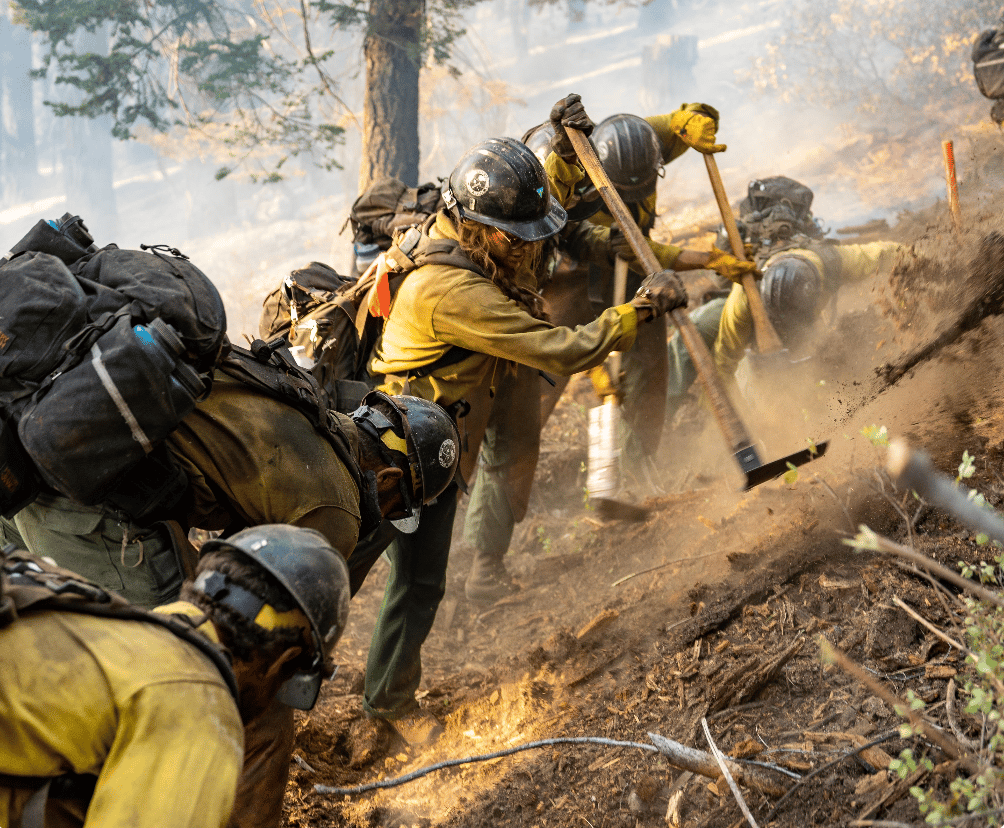
The Equipment Technology Committee (ETC) and Risk Management Committee (RMC) have released Safety Bulletin 25-001: Laundering to Decontaminate Wildland Fire Clothing. Recent research shows that flame-resistant pants and shirts used in wildland fire operations can accumulate hazardous combustion byproducts, including carcinogens. Encouragingly, the study found that regular laundering is much more effective at removing these contaminants than previously believed. Fire managers and crews are advised to wash wildland fire clothing as frequently as possible to reduce health risks.
For prescribed burners in the Southeast, this bulletin provides an important reminder that fire safety goes beyond burning. Routine decontamination of gear not only protects firefighter health but also supports the long-term sustainability of prescribed fire programs by keeping crews safe, healthy, and ready to burn.
|
|
|
|
|
|
Tippin' Torch: Tips for the Season
|
|
|
|
As hurricane season peaks in the Southeast, it’s important to remember how storm damage reshapes prescribed fire planning and wildfire risk. Hurricanes can leave behind heavy fuel loads such as downed trees, snapped branches, and tangled understory that increase fire intensity and complicate control. Saturated soils may delay equipment access, while leaning or storm-weakened trees pose hazards to crews.
Before starting a burn, assess post-storm conditions carefully. Adjust prescriptions to account for heavier fuels, reduce ignition areas if needed, and prioritize debris removal in high-risk zones. Resources from UF/IFAS and the Southern Fire Exchange highlight that these steps improve safety and support long-term ecosystem recovery, especially in fire-adapted landscapes like longleaf pine forests. A thoughtful
approach after hurricanes ensures prescribed fire continues to reduce risk while restoring resilience.
Check out these resources to guide your planning:
|
|
|
|
|
|
|
|
Prescribed Fire News Roundup
|
|
|
|
|
New Sentinel Landscapes Accomplishment Report Highlights Opportunities for Prescribed Fire in the Southeast
|
|
|
|
|
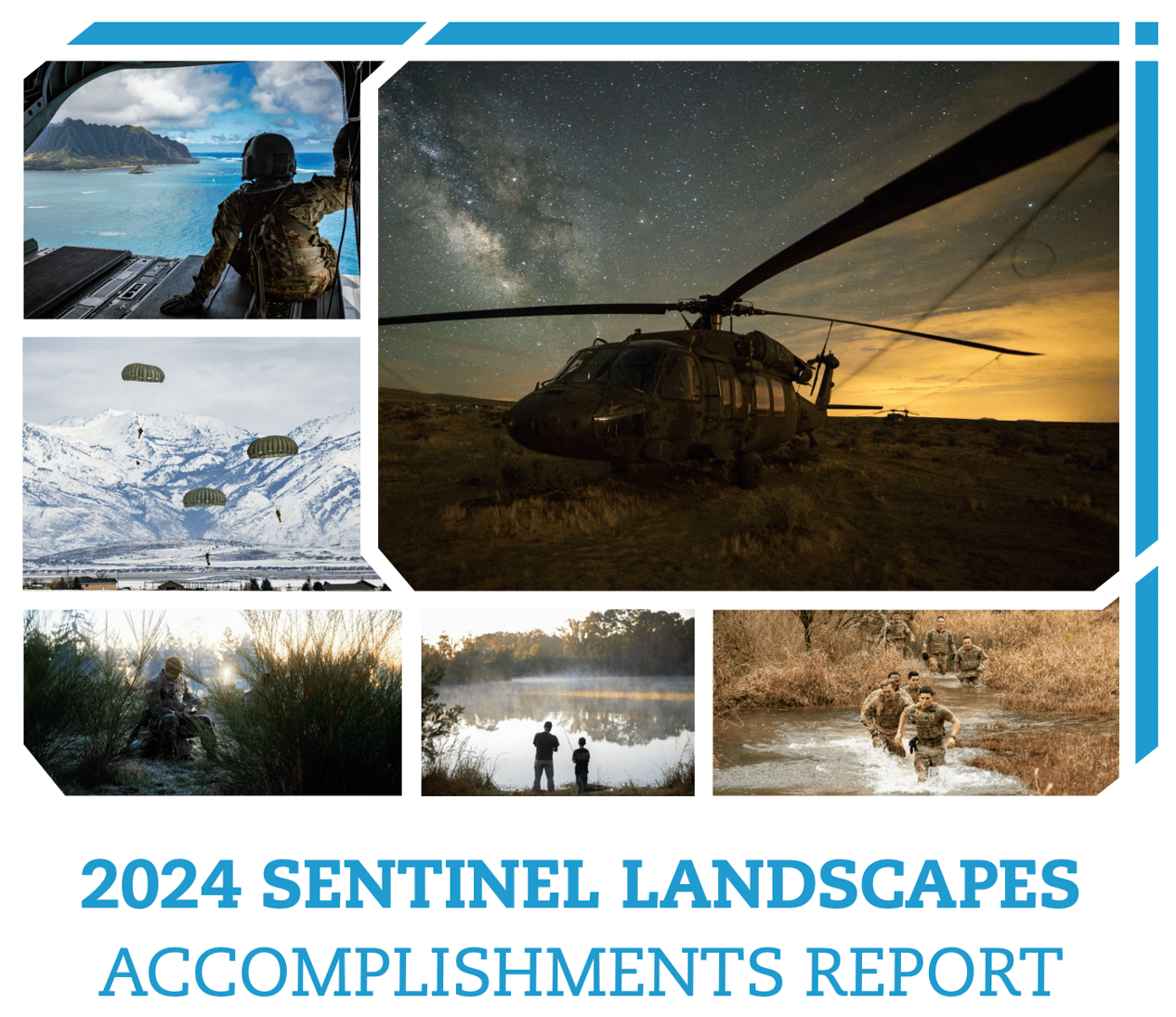
The 2024 Sentinel Landscapes Accomplishments Report highlights a federal, state, and local partnership that has conserved over 751,000 acres and enrolled 2.5 million acres in voluntary programs. In the Southeast, where military installations and fire-adapted ecosystems overlap, integrating prescribed fire within Sentinel Landscapes supports both conservation and training readiness. These efforts provide critical pathways for expanding prescribed fire through funding, collaboration, and technical assistance
across public and private lands.
|
|
|
|
|
|
|
|
|
New Federal Therapy Service Supports Wildland Firefighter Mental Health
|
|
|
The Department of the Interior and USDA Forest Service have launched the Wildland Fire Therapy Service, offering federal wildland firefighters and dispatchers access to up to 16 free therapy sessions annually through a national network of licensed mental health professionals. This timely support is essential for prescribed fire crews who face long hours, smoke exposure, and intense environmental stress. This service will help promote mental health and wellness as crews manage ecosystems through prescribed
burning.
|
|
|
|
|
|
|
|
|
|
New Resources Available for Informing Smoke Ready Communities
|
|
|
|
|
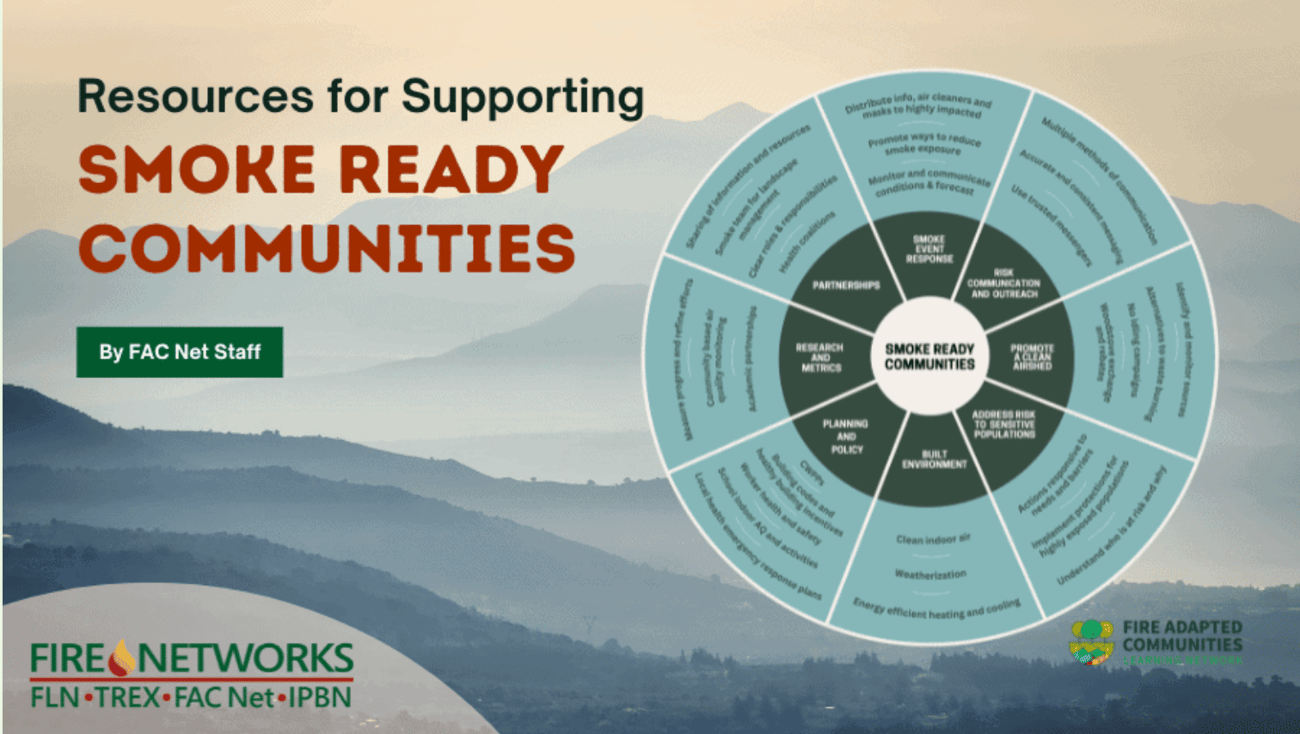
The Fire Adapted Communities Learning Network has released new Smoke Ready Communities graphics and companion materials to help communities understand the core elements and partners essential for smoke preparedness. Built off practitioner feedback and modeled on the Fire Adapted Communities framework, these tools include a “who to engage” guide and real-world case
studies with engagement tips. For Southeast prescribed fire practitioners, these resources are a helpful framework for communicating smoke safety, collaborating with public health partners, and building community readiness for controlled burns.
|
|
|
|
|
|
|
|
|
|
|
Other Fire Highlights and News
|
|
|
|
|
Understanding the Severity of Smoke in Wildland Fire Operations
|
|
|
|
|
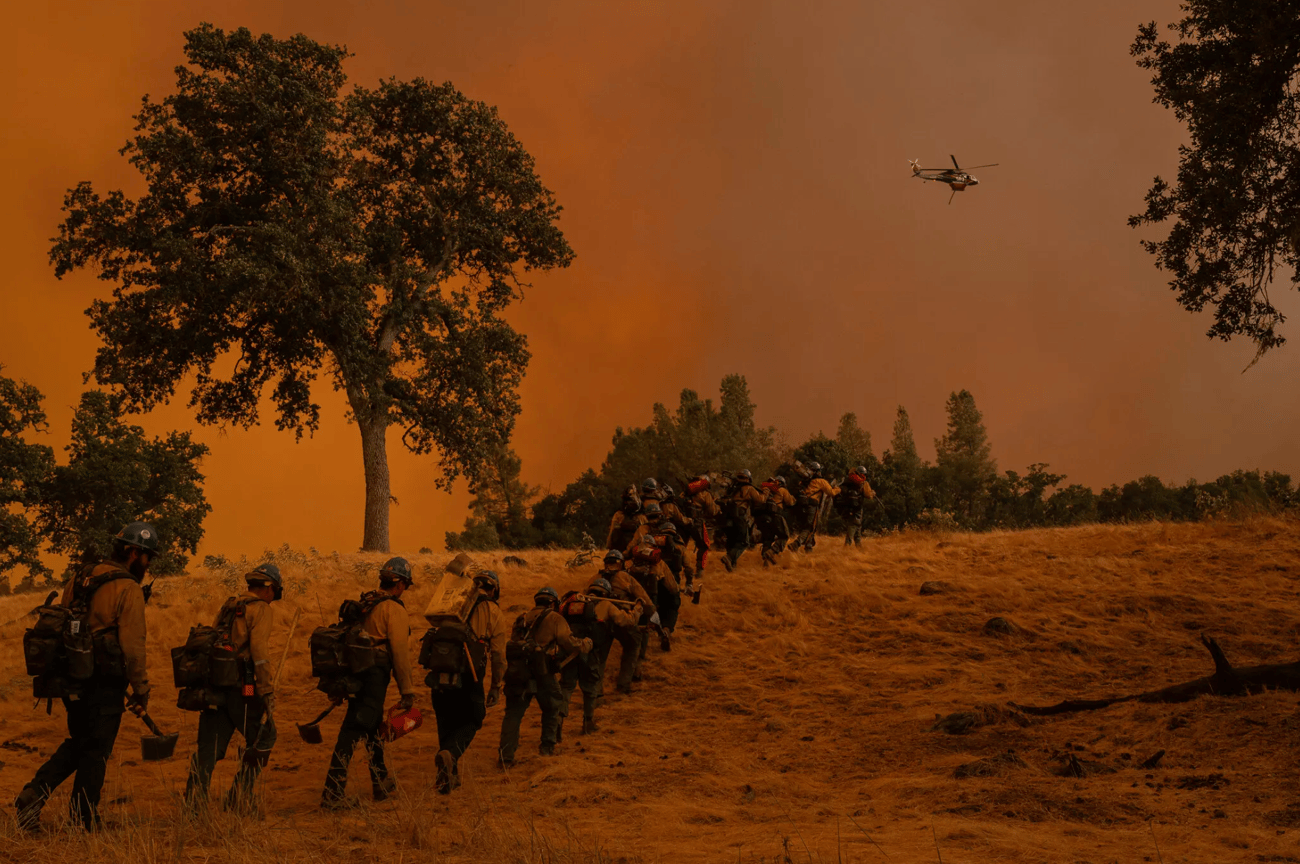
A recent New York Times investigation highlights the severe health risks wildland firefighters face from prolonged smoke exposure, including respiratory illness, cancer, and long-term organ damage. For prescribed burners in the Southeast, where controlled fires are a critical tool for managing longleaf pine and other fire-adapted ecosystems, this underscores the importance of using proper respiratory protection and monitoring smoke exposure, even during planned burns. Implementing safety measures such as N95 or respirator masks can help protect managers while maintaining essential fire-dependent habitats and reducing wildfire risk.
|
|
|
|
|
|
|
|
|
New Incident Performance and Training Modernization Story Map: Strengthening Training for Prescribed Fire and Wildfire Response
|
|
|
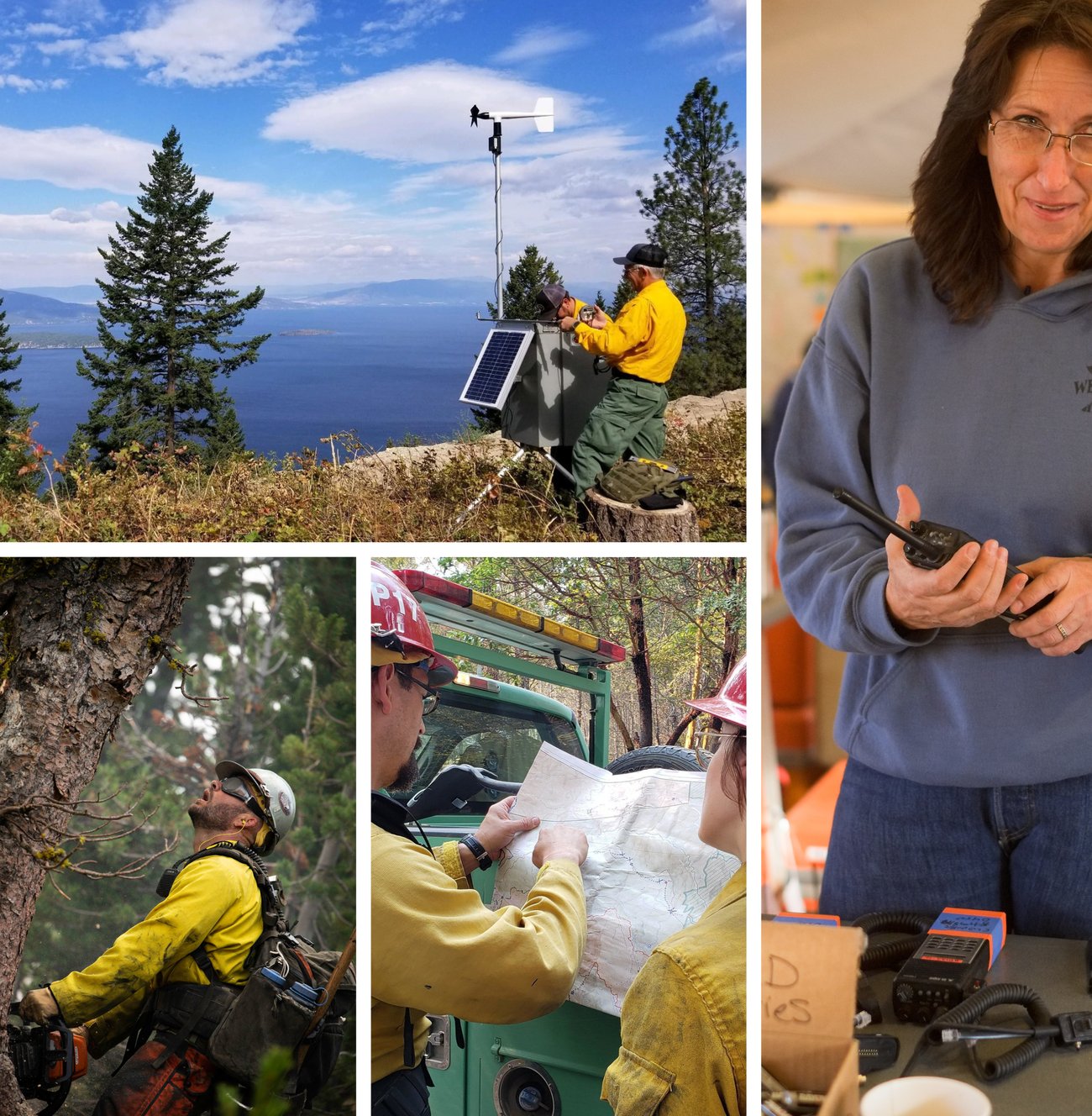
| The National Wildfire Coordinating Group (NWCG) has launched the Incident Performance and Training Modernization (IPTM) Story Map, an interactive resource that highlights efforts to modernize wildland fire training and qualifications through a performance-based system. With new Incident Position Standards and task books already available for 36 positions, this initiative is strengthening the pipeline of skilled fire practitioners. For the Southeast, these updates ensure that burners, land managers, and trainees have the tools they need to
safely and effectively expand fire use across diverse landscapes.
|
|
|
|
|
|
|
|
|
|
NWCG Launches New S-290 Blended Training for Fire Behavior
|
|
|
|
|
NWCG’s new S-290, Intermediate Wildland Fire Behavior (Blended) course is now available on the Wildland Fire Learning Portal, combining online and instructor-led training to enhance fire behavior prediction skills. This course provides key in-depth knowledge of fuels, weather, and topography to help plan and safely execute prescribed burns. For Southeast prescribed fire practitioners, completing S-290 (after the S-190 prerequisite) can improve decision-making on fire-adapted landscapes, supporting safer and more effective burns.
|
|
|
|
|
|
|
|
|
|
|
|
|
|
|
|
|
|
|
|
|
|
|
|
|
|
|
- El Dorado Springs, Missouri
- The Nature Conservancy
|
|
|
|
|
|
|
|
|
- Kissimmeee, Florida or Babson Park, Florida
- The Nature Conservancy
|
|
|
|
|
- Van Buren, Missouri
- The Nature Conservancy
|
|
|
|
|
- Van Buren, Missouri
- The Nature Conservancy
|
|
|
|
|
|
|
- Wilmington, North Carolina
- Multiple openings, multiple term lengths
- The Nature Conservancy
|
|
|
|
|
- Wilmington, North Carolina
- Multiple openings, multiple term lengths
- The Nature Conservancy
|
|
|
|
|
|
|
- Lake Apopka, Mount Dora, Florida
- St. Johns River Water Management District
- Open Until Filled
|
|
|
|
|
|
|
Click here for a useful resource for students studying fire. Click here for a useful resource on fire career paths. Click here for the FireUp job board, a job posting site for fire and forestry work.
|
|
|
|
|
|
|
|
|
|
|
|
|
|
Fire Training Courses and Workshops
|
|
|
|
|
|
|
|
|
|
|
|
|
|
|
|
|
|
|
|
|
|
|
|
|
|
|
|
|
|
|
|
|
Online with In-Person Field Days, FL
|
|
|
|
|
|
|
|
|
|
|
|
|
|
|
|
|
|
|
|
|
|
|
|
|
|
Tallahasee, FL & Tulsa, OK
|
|
|
|
|
|
|
|
|
|
|
|
|
|
|
|
|
|
|
|
|
|
|
|
|
|
|
|
|
|
|
|
|
|
|
|
|
|
Wekiwa Springs State Park,
FL
|
|
|
|
|
|
Virtual & New Orleans,
LA
|
|
|
|
|
|
|
|
|
|
|
|
|
|
|
|
|
|
|
|
Tallahassee, FL & Tulsa, OK
|
|
|
|
|
|
|
|
Tallahassee, FL & Rapid City, SD
|
|
|
|
|
|
|
|
|
|
|
Click here for a useful resource on other fire trainings offered across the Southeast. Click here for a useful resource on other fire conferences offered globally.
|
|
|
|
|
|
|
|
|
|
|
|
|
|
Conferences, Meetings, and Other Events
|
|
|
|
|
|
|
|
|
Mental Health Resources can be found here.
Subscribe to Wildfire Today, a wildfire news & opinion site here. Share your stories, events, and information in the next issue:
|
|
|
|
|
|
|
The Driptorch Digest is distributed by NC State University as a project of the Southeast Regional Partnership for Planning and Sustainability (SERPPAS) Prescribed Fire Working Group.
NC State University promotes equal opportunity and prohibits discrimination and harassment based upon one’s race; color; religion (including belief and non-belief); sex, including but not limited to pregnancy, childbirth, or other related medical condition, parenting, and sexual harassment; sexual orientation; actual or perceived gender identity; age; national origin;
disability; veteran status; or genetic information.
This newsletter is made possible through a grant from the National Fish and Wildlife Foundation, with support from the USDA Forest Service and the Department of Defense.
|
|
|
|
|