|
|
|
|
|
|
|
|
|
|
|
|
|
|
|
|
|
|
Increased Risk of Wildfires in the Aftermath of Helene
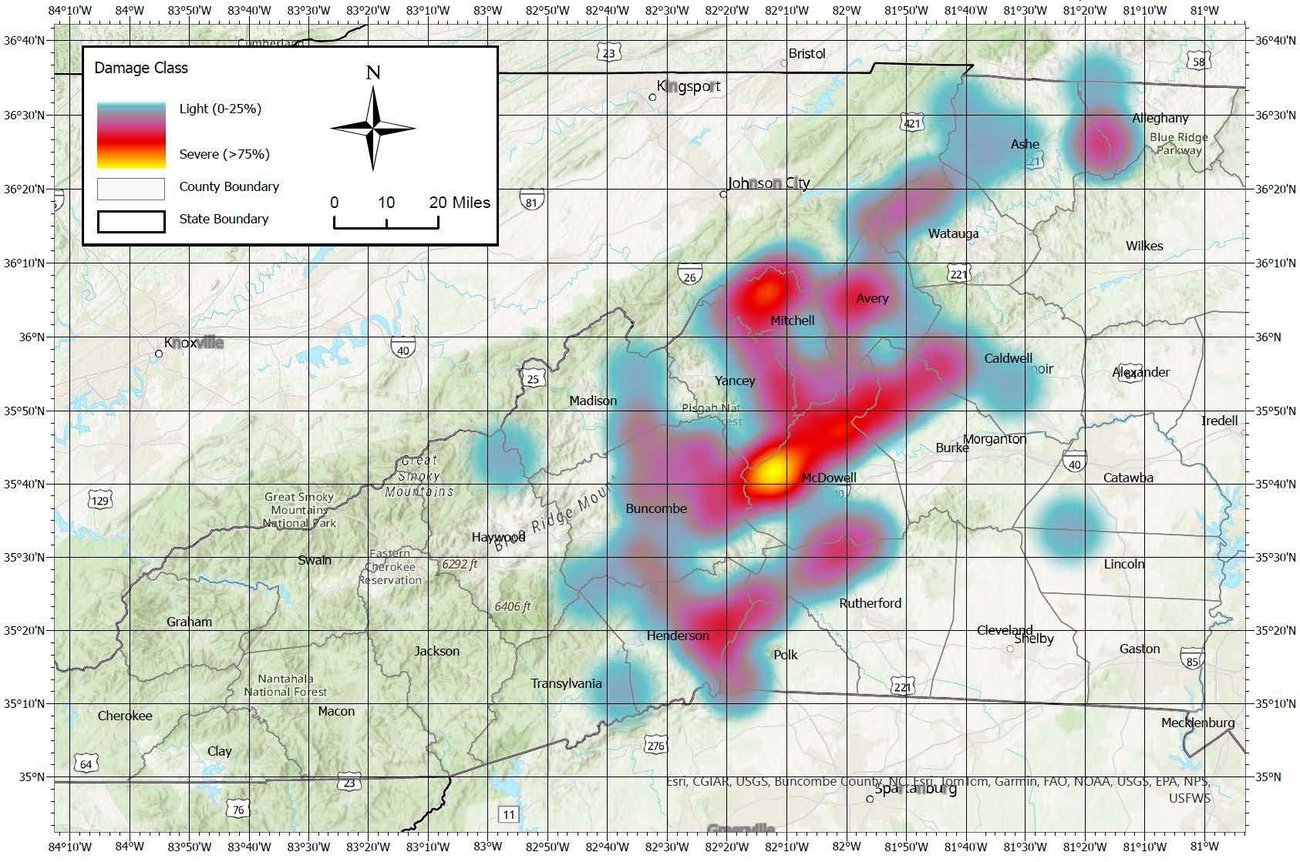
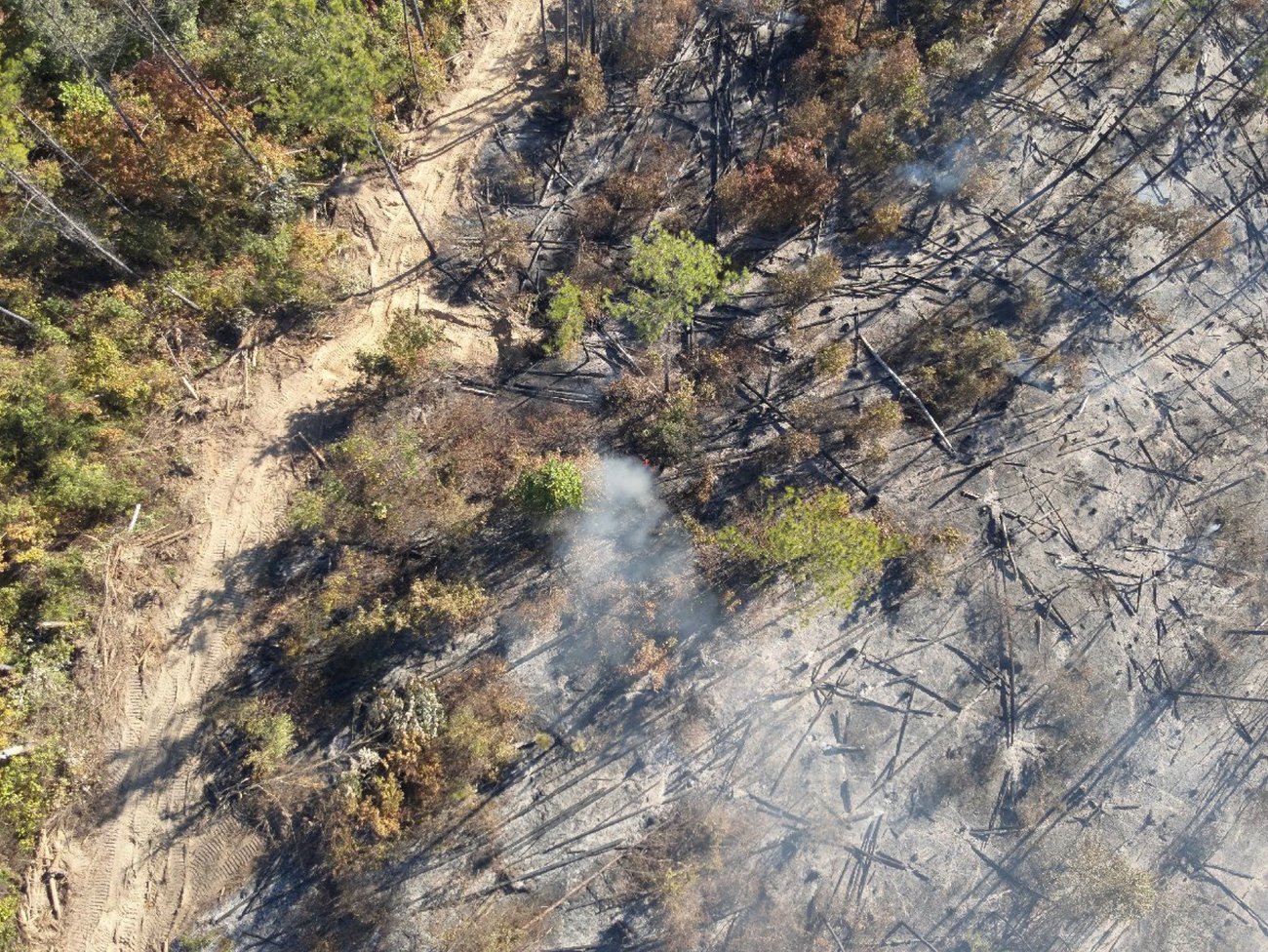
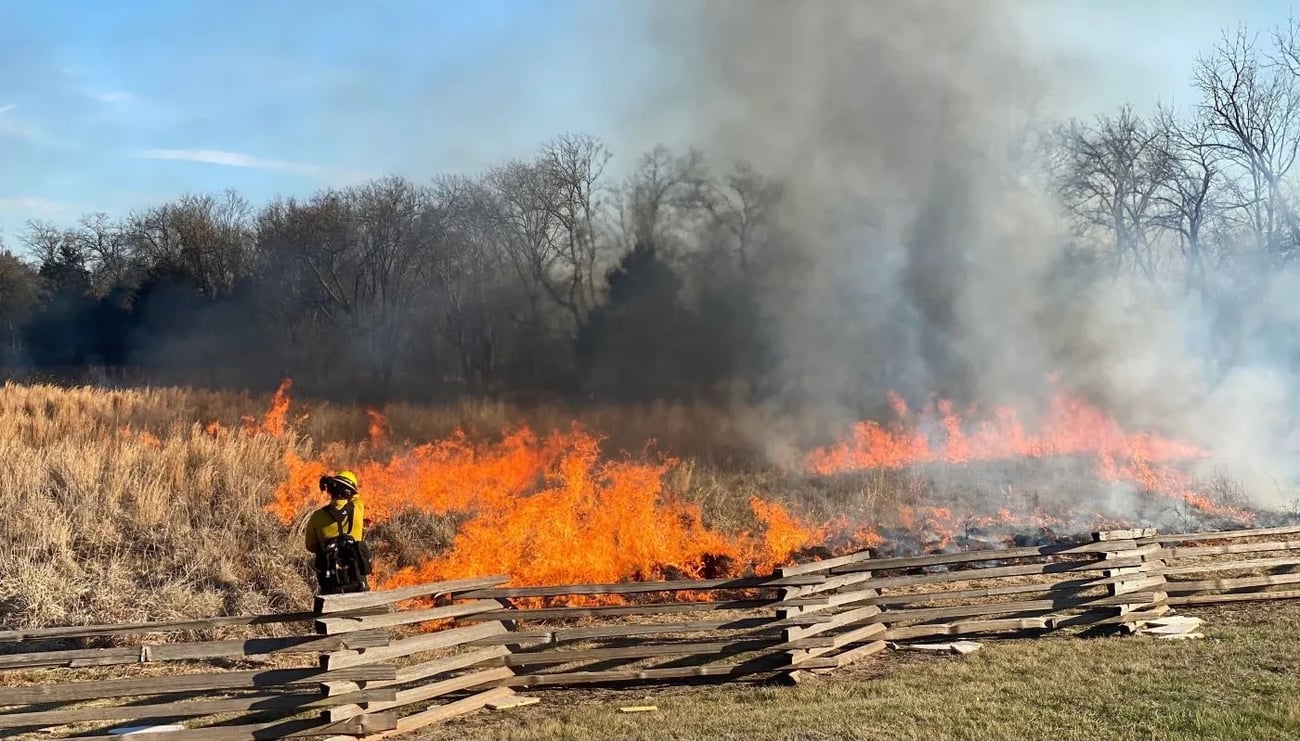
Hurricane Helene has left its mark across several Southern states. The storm not only caused significant damage, but also heightened the wildfire potential in these areas.
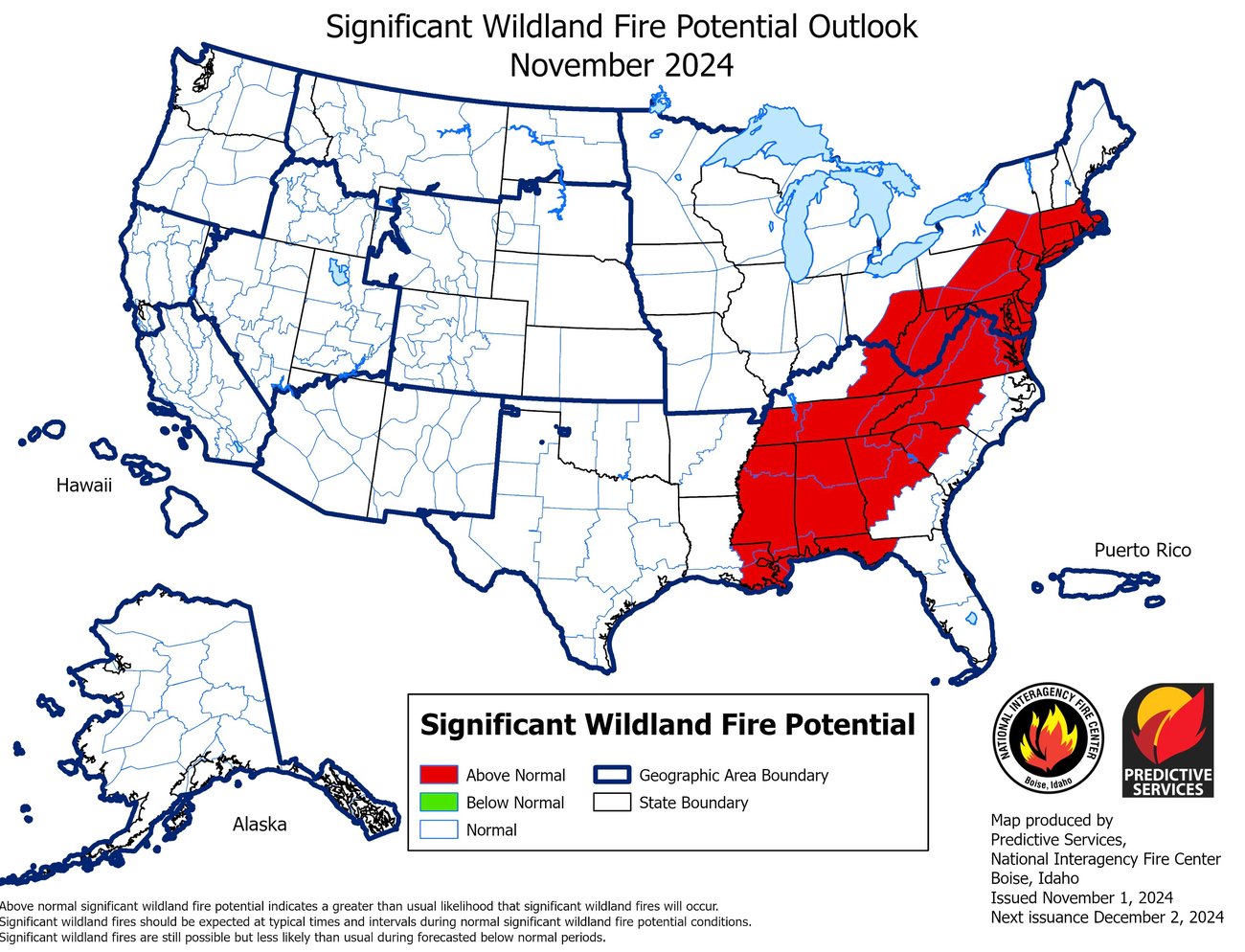
The National Interagency Fire Center (NIFC) has predicted an above normal wildfire potential across the southern region this fall and into early winter, including the areas affected by Hurricane Helene. The downed trees and increased debris resulting from the storm have created a hazardous environment, amplifying the concern for wildfires across the South.
In North Carolina, the North Carolina Forest Service is actively monitoring the situation. The state’s forests have been directly impacted, and officials are urging residents and fire managers to approach prescribed burning with increased caution. With the landscape altered by the storm, careful planning and execution of burns will be essential to reduce wildfire risks while maintaining forest health. For ongoing updates and resources, check our social media channels, and refer to the current map of affected areas. For more detailed forecasts and information on wildfire potential, visit NIFC’s predictive services outlook here.
|
|
|
|
|
|
New Offering Online Smoke Management Training Course Available Now
|
|
|
|
|
The online smoke management training course,“Be Smoke Savvy: Training Guide of Best Management Practices for Prescribed Fire Smoke” is now available through December
20th, 2024. It is free of charge and provides two Category 1 Continuing Education Credits.
Prescribed fire is one of the most important tools that land managers can use to promote healthy ecosystems and build safer, more resilient communities. A key component of safely conducting these fires is the effective management of the smoke they produce.
Developed by the Tall Timbers Private Lands Prescribed Fire Initiative with constructive input by partners, this two-hour online course covers essential topics, including the importance of smoke management, various tactics and strategies, the appropriate use of smoke management tools, and a review of legal standards related to smoke management.
This course was initially offered in September, with 264 fire practitioners from 28 states taking the first class. Digital training opportunities in prescribed fire have become a valuable tool to enhance and maximize time spent learning in
in-person, hands-on training.
Use the link below to access the course, and create an account for the Tall Timbers Fire Training Portal in order to proceed. For access issues or course questions, please contact Joseph Krafczynski at jkrafczynski@talltimbers.org or Zachary Prusak at zprusak@talltimbers.org.
|
|
|
|
|
|
Tippin' Torch: Tips for the Season
|
|
|
|
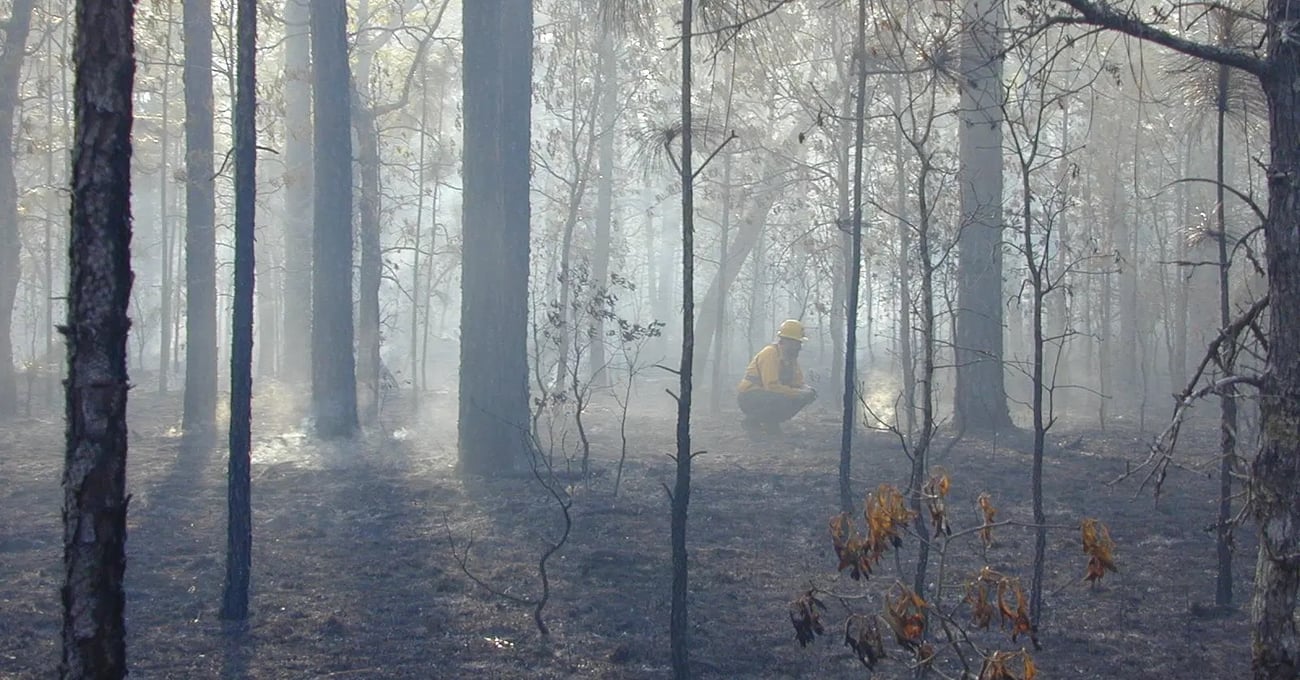
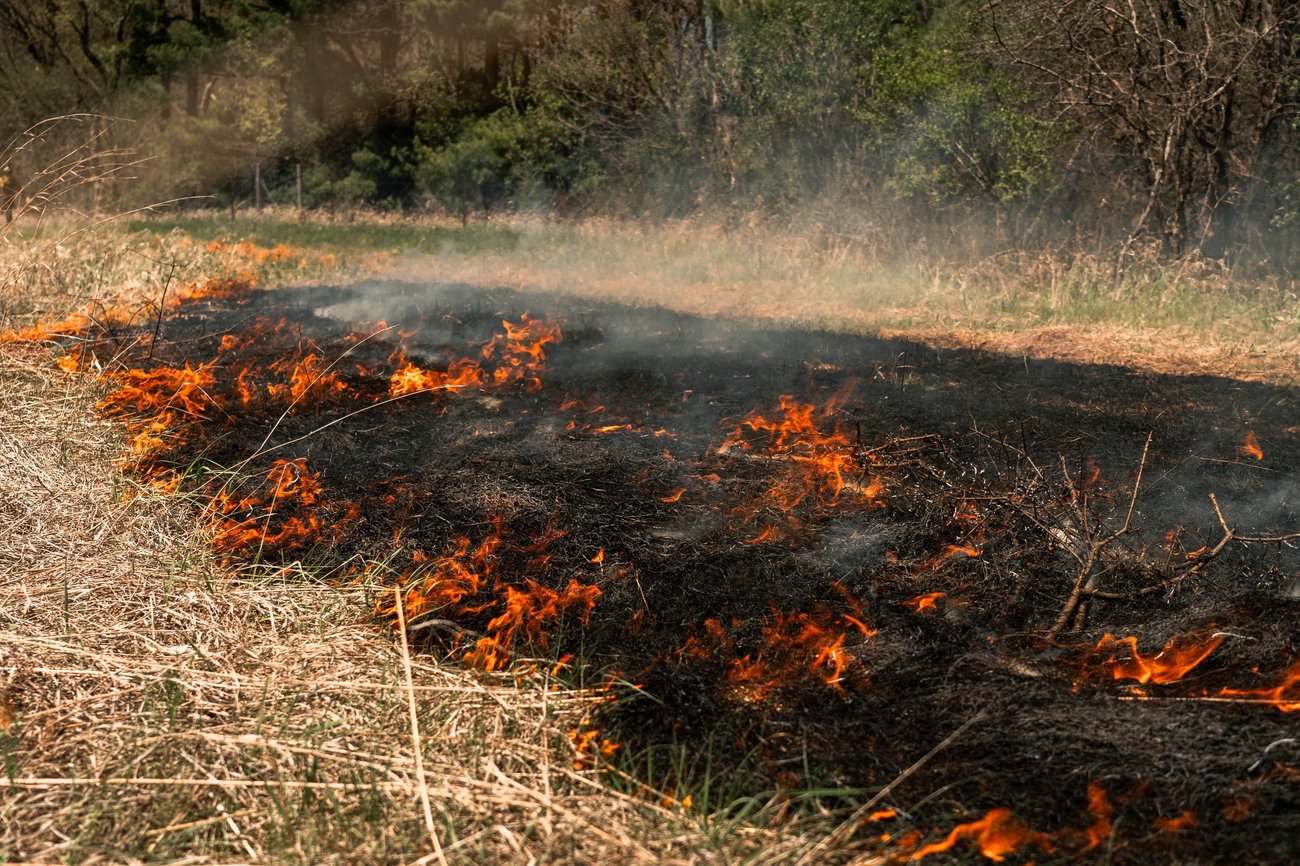
With fall in the Southeast comes putting fire on the ground. Following the correct protocols is necessary for safe and effective burns.
To make a safe and successful burning process, be sure to consult with your state's forestry agency and local prescribed fire organizations. They can provide insight on key factors to consider in your planning to make sure all of your bases are covered.
Here are some essential points to keep in mind:
- Burn Permits and Notifications: Make sure to secure any required burn permits and notify local authorities about your burning plans.
- Fire Restrictions and Bans: Stay informed about current fire restrictions or burning bans in your area. These regulations can change rapidly.
- Weather Conditions: Pay close attention to weather forecasts, particularly wind speeds and humidity levels.
- Preparedness and Equipment: Have the necessary equipment on hand, including fire suppression tools and a reliable means of communication in case of emergencies.
By taking these precautions and planning carefully, you can help ensure safe and beneficial burning.
|
|
|
|
|
|
|
|
Prescribed Fire News Roundup
|
|
|
|
|
Heightened Wildfire Risks Prompt Strategic Use of Prescribed Burns
|
|
|
|
|
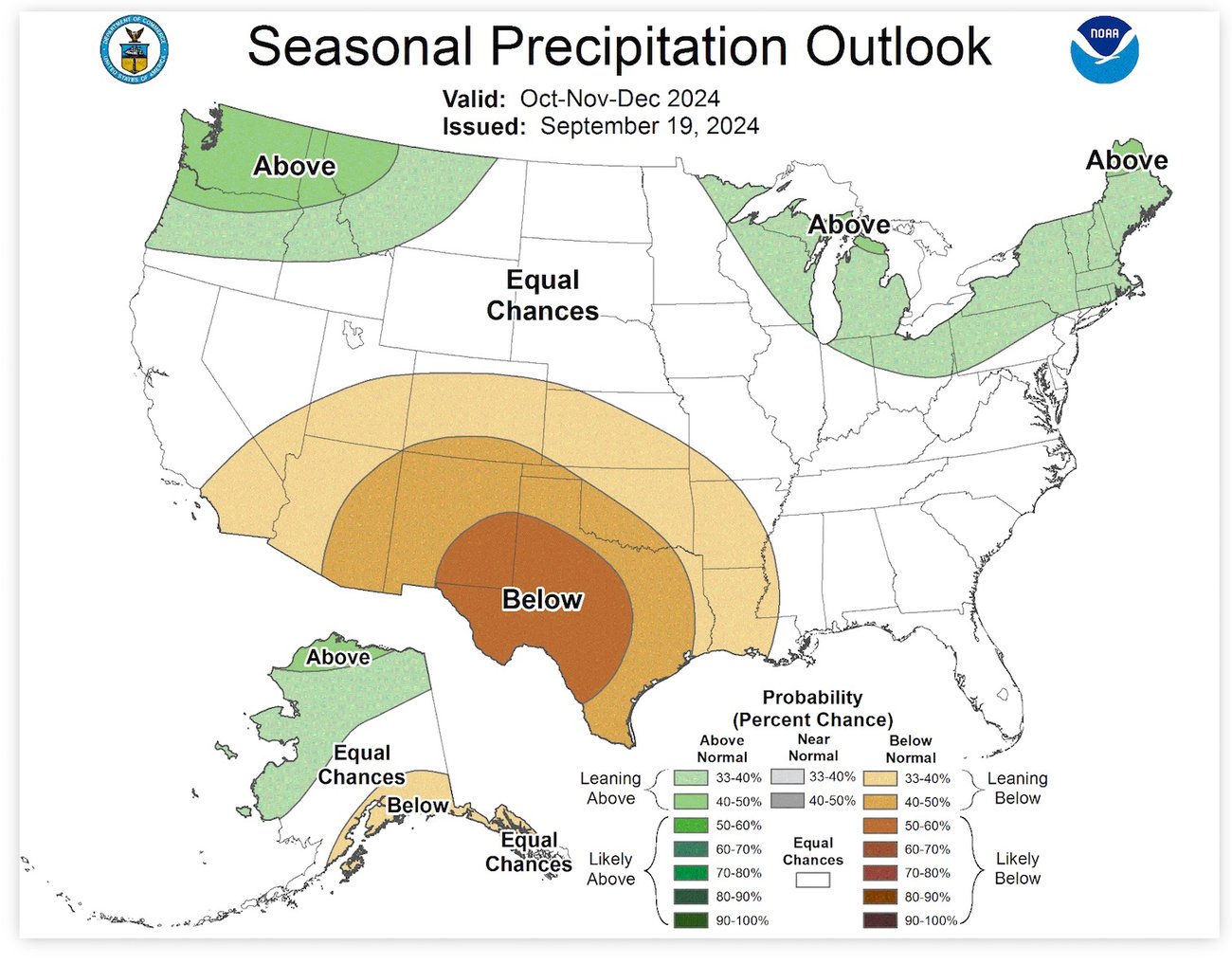
An advisory has been issued regarding a resurgence of drought conditions in Mississippi and Alabama, coupled with above-normal temperatures and below-normal rainfall, which heightens wildfire risks as the prescribed fire season begins. Areas affected by last year's drought and beetle infestations face intensified fire behavior, complicating containment efforts and increasing dangers for firefighters, including potential reburns from fallen leaves. As La Niña influences the weather, fire managers are encouraged to leverage prescribed burns strategically to reduce
fuel loads and mitigate wildfire risks during this challenging season.
|
|
|
|
|
|
|
|
|
New Website Builds Efforts for Bird Habitat Through Prescribed Fire
|
|
|
A new website has been launched for the Collaborative Burning for Birds project, which aims to promote the use of prescribed fire as a vital management tool for enhancing bird habitats in the Southeast U.S. By building partnerships, this project seeks to increase the implementation of controlled burns to improve ecosystems and support bird populations by highlighting the importance of prescribed fire not only for ecological health but also for community engagement and collaboration in conservation efforts.
|
|
|
|
|
|
|
|
|
|
Emphasizing the Importance of University Extension Work in Rx Fire
|
|
|
|
|
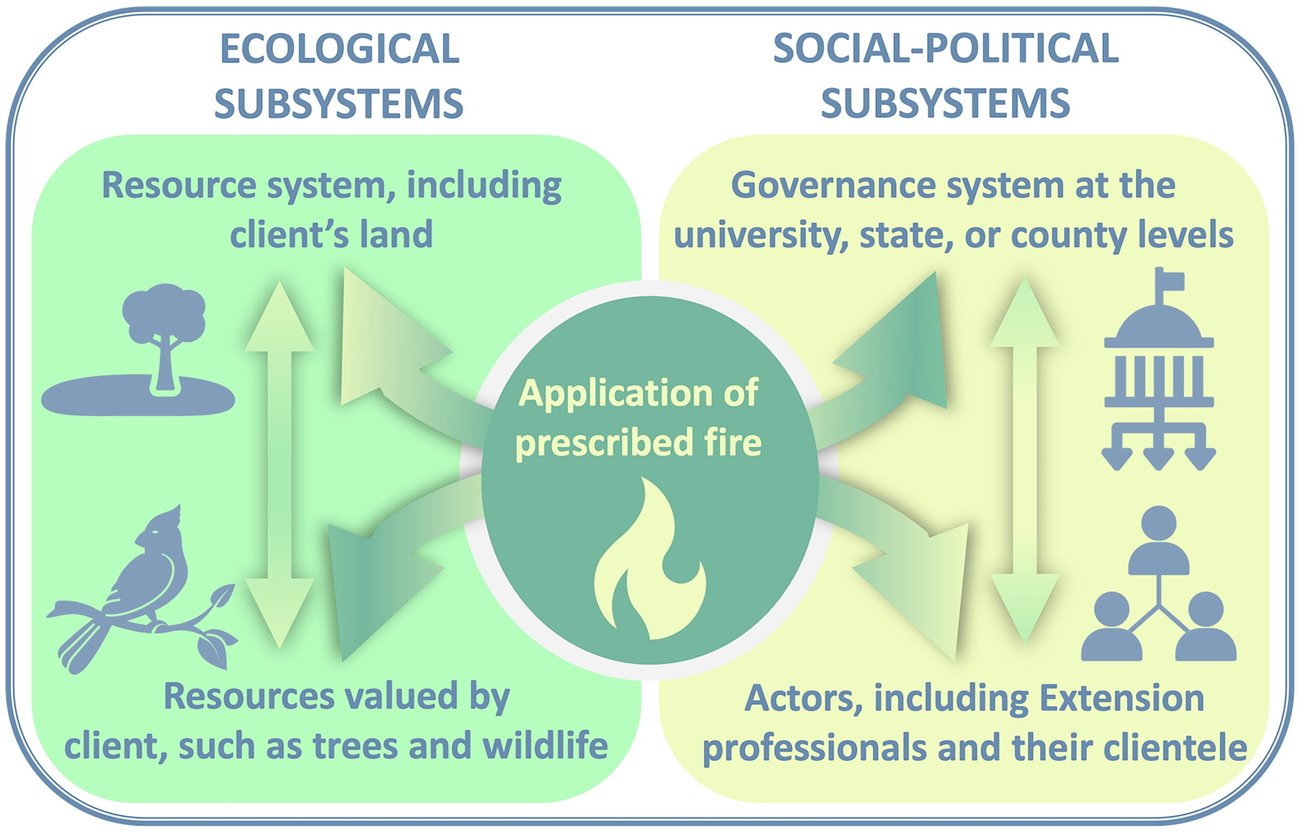
A recent study assessed Extension’s capacity for prescribed fire education and training. The article underscores the role of education and outreach in promoting prescribed fire practices, which can be significantly supported by university Extension programs. By integrating prescribed fire into their curricula and community initiatives, these programs can help landowners and managers understand its benefits, ultimately fostering healthier ecosystems and reducing wildfire risks.
|
|
|
|
|
|
|
|
|
|
|
Other Fire Highlights and News
|
|
|
|
|
La Niña Brings Weather Changes
|
|
|
|
|
The La Niña conditions have been affecting the weather, which can lead to drier conditions and potentially more severe wildfire risks.
These climate patterns may exacerbate fire season by creating favorable conditions for wildfires to ignite and spread. Understanding these weather changes is crucial for land management strategies, including the use of prescribed fire to mitigate wildfire risks and improve ecosystem resilience.
|
|
|
|
|
|
|
|
|
Empowering Veterans Through Wildland Firefighting Training
|
|
|
The Veterans Fire Corps program provides veterans with hands-on training in wildland firefighting and prescribed burning, helping them gain valuable skills in land management and ecosystem
conservation. This initiative not only aids in veterans' transition to civilian life but also enhances community resilience against wildfires through effective fire management practices.
|
|
|
|
|
|
|
|
|
|
Burning for Native Grasses
|
|
|
|
|
Understanding the timing and ecological patterns in managing native perennial grasses can enhance grassland health. There is a need for land managers to recognize the growth stages of grasses to optimize their management practices. This concept relates closely to prescribed fire, which can mimic natural fire regimes, promoting the health of native grasses by
encouraging regeneration and controlling invasive species.
|
|
|
|
|
|
|
|
|
Season 5 of Fueling Collaboration Panel Launched
|
|
|
Season 5 of the Fueling Collaboration Panel Discussion Series will take place from November 2024 to February 2025, aiming to connect land managers and researchers through interactive virtual discussions. This initiative is a collaborative effort involving various USDA Forest Service research stations and fire science consortia across multiple
regions.
|
|
|
|
|
|
|
|
|
|
|
|
|
|
|
|
|
|
|
|
|
|
|
|
|
|
|
|
- Sarasota County, FL
- Sarasota Country P&R Natural Resources
- Open Until Filled
|
|
|
|
- Missouri
- The Nature Conservancy
- Deadline: 11/04
|
|
|
|
|
|
|
- Washington, DC
- USDA-FS
- Open Until Filled (Priority August 16)
|
|
|
|
- San Angelo, TX
- Texas A&M Extension Service
- Open Until Filled
|
|
|
|
|
|
|
|
|
- Albany, GA
- Quail Forever
- Open Until Filled
|
|
|
|
- Brunswick, GA
- Student Conservation Association
- Open Until Filled
|
|
|
|
|
|
|
- North Carolina
- The Nature Conservancy
- Open Until Filled
|
|
|
|
|
|
|
Click here for a useful resource on fire career paths. Click here for the FireUp job board, a job posting site for fire and forestry work.
|
|
|
|
|
|
|
|
|
|
|
|
|
|
Fire Training Courses and Workshops
|
|
|
|
|
|
|
|
|
|
|
Virtual / Gainesville, FL
|
|
|
|
|
|
|
|
|
|
|
|
|
|
|
|
|
|
|
|
|
|
|
|
|
Conferences, Meetings, and Other Events
|
|
|
|
|
|
|
|
|
|
|
|
|
|
|
Subscribe to Wildfire Today, a wildfire news & opinion site here. Share your stories, events, and information in the next issue:
|
|
|
|
|
|
|
The Driptorch Digest is distributed by NC State University as a project of the Southeast Regional Partnership for Planning and Sustainability (SERPPAS) Prescribed Fire Working Group.
NC State University promotes equal opportunity and prohibits discrimination and harassment based upon one’s race; color; religion (including belief and non-belief); sex, including but not limited to pregnancy, childbirth, or other related medical condition, parenting, and sexual harassment; sexual orientation; actual or perceived gender identity; age; national origin; disability; veteran status; or genetic
information.
|
|
|