|
|
|
|
|
|
|
|
|
|
|
|
|
|
|
|
|
|
Nationwide Review of CPBM Programs Released
|
|
|
|
|
|
|
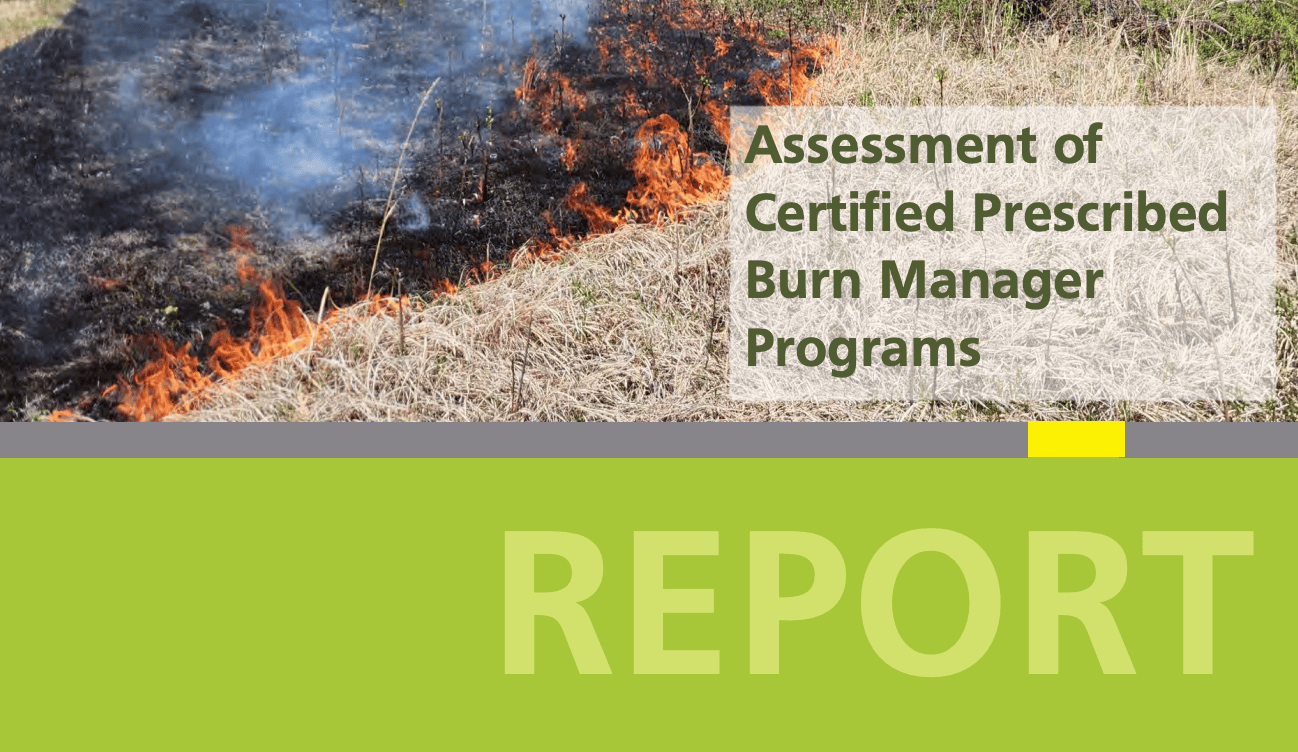
The Forest Stewards Guild has released the new National Assessment of Certified Prescribed Burn Manager Programs, providing a nationwide review of Certified Prescribed Burn
Manager programs across the United States. Based on interviews with representatives from 43 states, the report highlights an integrated, systems-based approach that addresses critical pillars such as training, permitting, and the establishment of "right-to-burn" statutes. With twenty-four states now operating formal programs and several others in active development, the report serves as a roadmap for creating new CPBM programs or updating existing programs.
Beyond certification, the report offers innovative recommendations for building trust and collaboration between state agencies and private landowners, ensuring that new bureaucracies do not hinder successful existing systems. By leveraging cross-sector coalitions and peer-state models, the report is designed to help states create or update existing CPBM programs, making the application of prescribed fire safer, more effective, and more accessible for fire-dependent ecosystems nationwide.
|
|
|
|
|
|
Tippin' Torch: Tips for the Season
|
|
|
|
The National Interagency Fire Center (NIFC) has released its National Significant Wildland Fire Potential Outlook for March through June 2026. The forecast indicates that above-normal significant fire potential is expected in almost all parts of the Southern Area, from northern Virginia to Texas, Oklahoma, and Kansas during March. In April, this elevated potential is projected to persist along the southeast Atlantic coast into Florida and in the Oklahoma and Texas panhandles. In May, above-normal fire potential is anticipated to continue in Southern Georgia and Florida. By June, there is no projected above-normal fire potential in the Southeast.
Given these projections, it is advisable for fire managers and communities in the Southeast to maintain heightened awareness and preparedness.
Key resources for monitoring and preparedness include:
|
|
|
|
|
|
|
|
Monthly Update for Prescribed Burn Associations in the Southeast
|
|
|
|
|
|
Prescribed Fire News Roundup
|
|
|
|
|
SFE/CAFMS "Mountains to Sea" Duff Workshop Series: Lessons from Fire Science Research and Adaptive Management
|
|
|
|
|
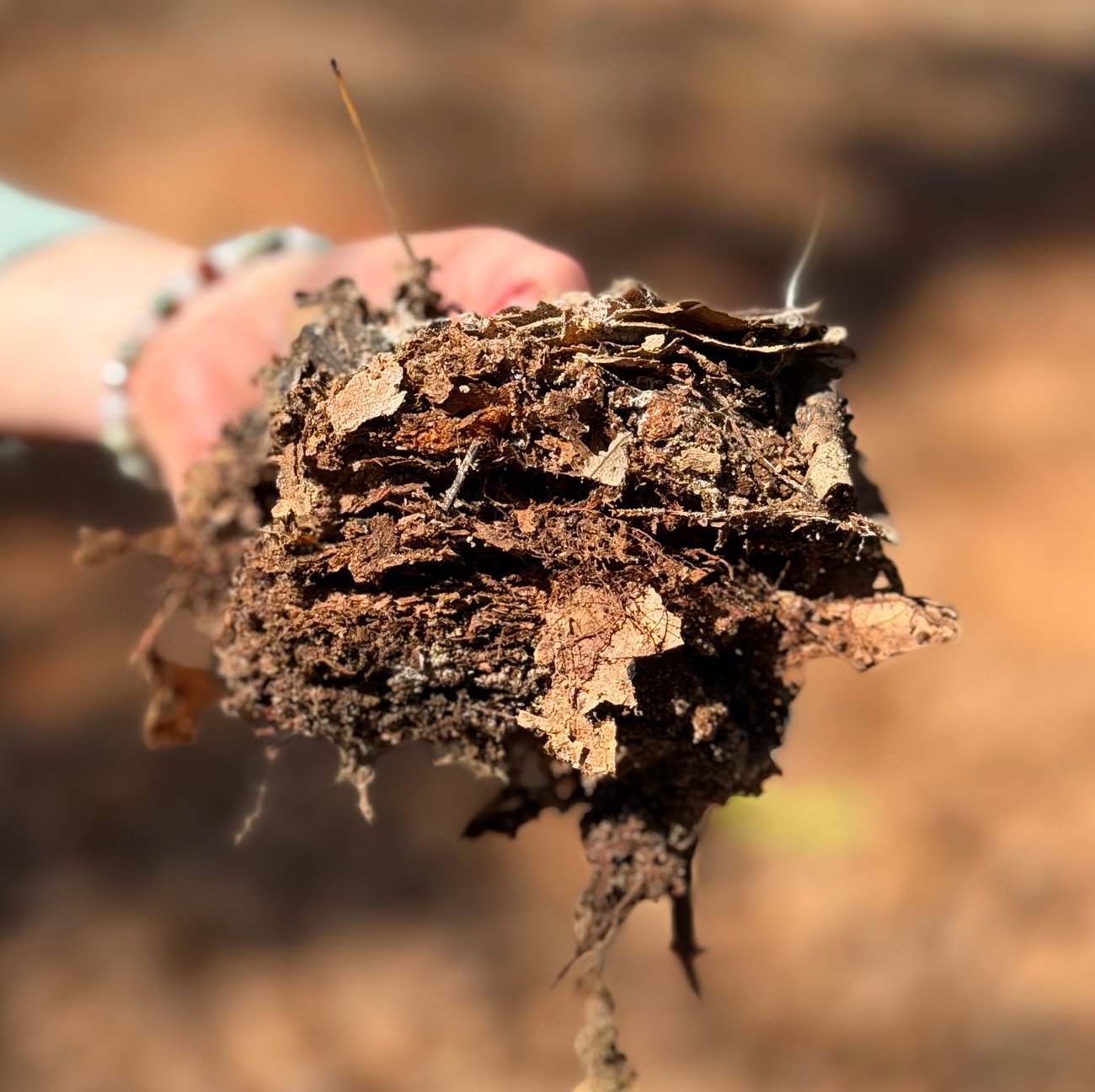
The Southern Fire Exchange and the Consortium of Appalachian Fire Managers and Scientists have hosted 2 successful workshops in their "Mountains to Sea" Duff Management series across North Carolina. These workshops provided region-specific scientific presentations, field demonstrations, and
planning tools to help land managers assess duff conditions, plan effective burns, and protect legacy and economically important trees. Workshop topics included latest advances in understanding duff consumption and post-fire longleaf mortality as well as management lessons from restoring fire to long-unburned areas. The last workshop in the series will be held at Carolina Beach State Park in Carolina Beach, NC.
|
|
|
|
|
|
|
|
|
Tall Timbers Launches "Prescribed Fire Academy" for Private Landowners
|
|
|
Tall Timbers has launched a new online Prescribed Fire Academy to provide private landowners with free, flexible training on core fire management concepts, from planning to execution. This interactive platform combines video interviews with expert fire
managers and research-based modules to help landowners gain the confidence and technical knowledge needed to safely apply fire to their property. This course also includes resources that familiarize students with prescribed fire concepts, including those from the Guidebook to Prescribed Burning in the Southern Region.
The course is estimated to take 10-25 hours to complete and will be implemented in future state Certified Prescribed Burn Manager courses.
|
|
|
|
|
|
|
|
|
|
Many Paths Visual Storytelling Initiative Launched
|
|
|
|
|
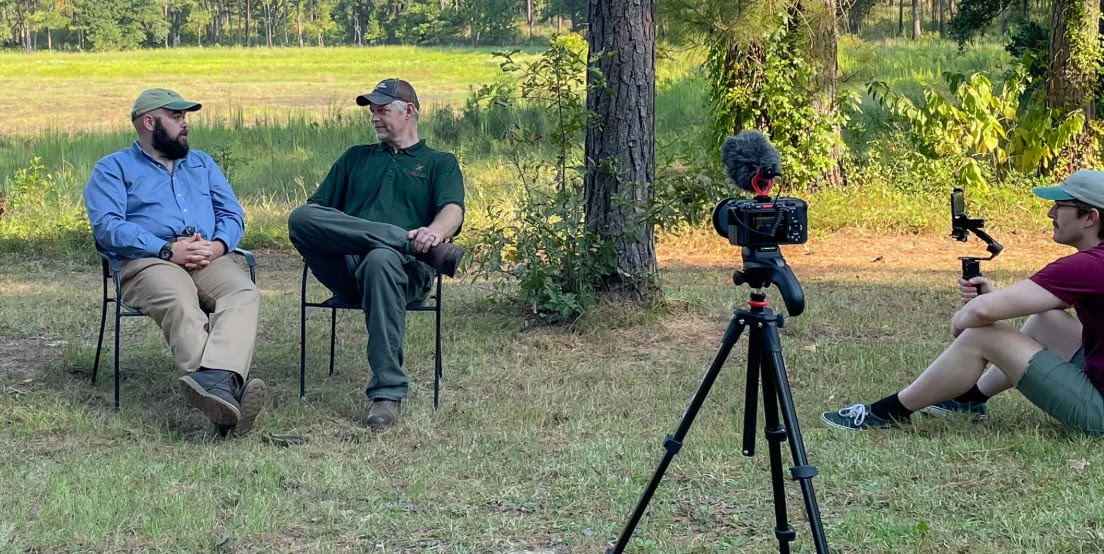
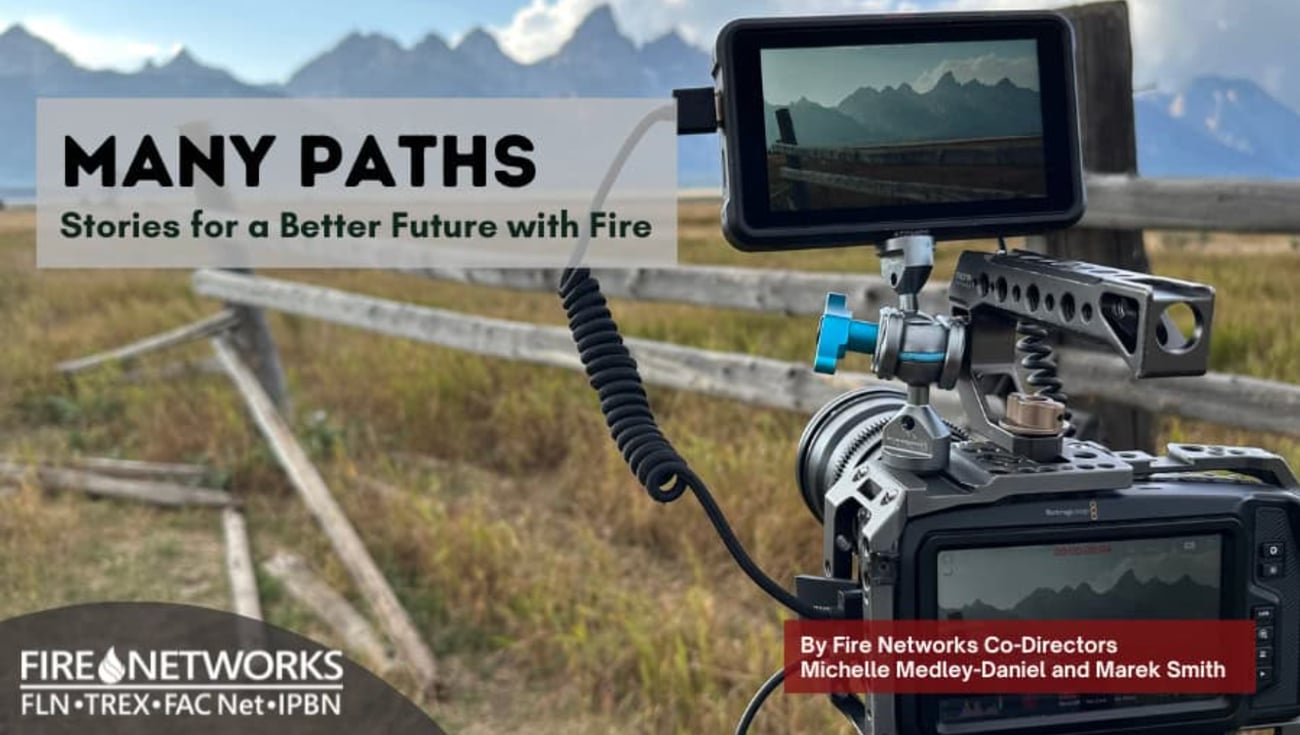
The Fire Learning Networks and The Nature Conservancy have launched the Many Paths: Stories for a Better Future with
Fire" project. This project is a new visual storytelling initiative that highlights diverse strategies for building climate-resilient communities through a healthier relationship with fire. By profiling local leaders and practitioners in three distinct regions, the series demonstrates that while wildfire is a global challenge, the solutions are rooted in local knowledge, cultural traditions, and community-led action.
|
|
|
|
|
|
|
|
|
|
|
Other Fire Highlights and News
|
|
|
|
|
Fire Officials Warn that NC is "Not Prepared" for Post-Helene Fuel Loads and Increased Wildfire Risk
|
|
|
|
|
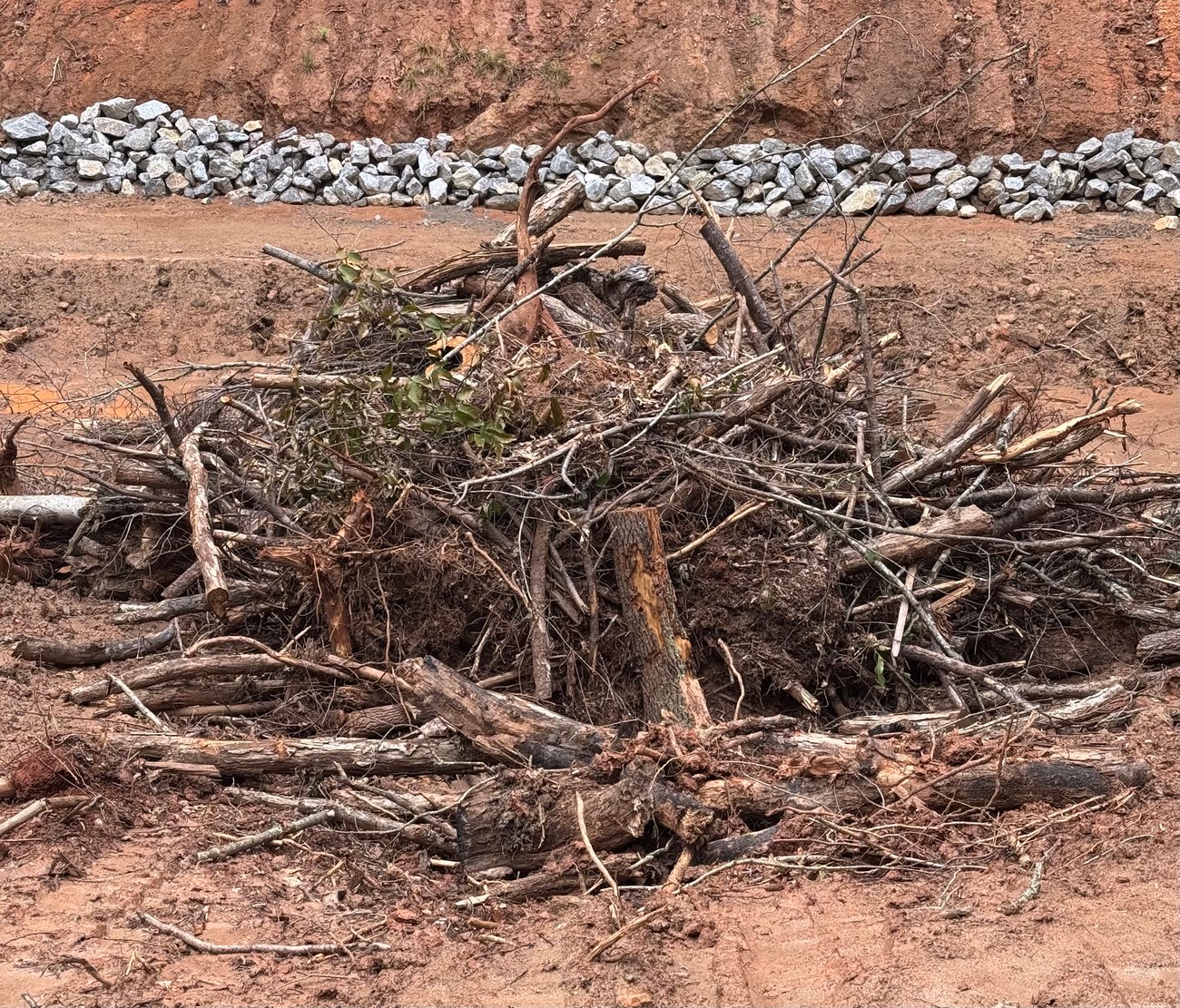
North Carolina state fire officials recently warned lawmakers that the state is "not prepared" for a heightened wildfire risk following the massive forest damage caused by Hurricane Helene. With over 822,000 acres of trees downed and drying, combined with persistent staffing shortages and aging equipment, the N.C. Forest Service is struggling to maintain its standard of response. Officials are advocating for increased funding to support recruitment, equipment replacement, and the creation of "disaster dollars" to allow for a faster, more flexible response to the larger, more complex fires
expected over the next 15 years.
|
|
|
|
|
|
|
|
|
National Wildfire Coordinating Group Celebrates 50 Years
|
|
|
The National Wildfire Coordinating Group (NWCG) is celebrating 50 years of service as the standard-setting leader in wildland fire operations, marking five decades of interagency cooperation since its founding in 1976. To commemorate this milestone, NWCG has released a commemorative video showcasing its history of providing national leadership in training, equipment, and incident management standards. This anniversary highlights the group's ongoing commitment to safety and
effectiveness across all member agencies, including the Department of the Interior and the USDA Forest Service.
|
|
|
|
|
|
|
|
|
|
| EPA Launches New Website with Wildland Fire Resources
|
|
|
|
|
The Environmental Protection Agency (EPA) has launched a new website that provides essential tools and research to help communities prepare for, respond to, and recover from the increasing frequency and intensity of wildland fires. Featuring the live AirNow Fire & Smoke Map and "Smoke Ready" guides, the site emphasizes protecting public health and indoor air quality from the detrimental effects of smoke. By centralizing data on health impacts and mitigation strategies, the EPA aims to empower individuals to take actionable steps during fire events to reduce their exposure and protect their well-being.
|
|
|
|
|
|
|
|
|
| USDA Moves U.S. Forest Service Headquarters to Utah
|
|
|
The U.S. Department of Agriculture is relocating the Forest Service headquarters from Washington D.C. to Salt Lake City and transitioning the agency to a state-based organizational model to improve efficiency and local accountability. This restructuring eliminates regional offices in favor of a network of operational service centers and a unified national research organization based in Colorado. By moving leadership closer to the landscapes they manage, the USDA aims to
prioritize active forest management, streamline decision-making, and reduce taxpayer costs. The transition is designed to ensure that frontline operations like wildfire response and forest restoration continue uninterrupted while strengthening ties to local communities.
|
|
|
|
|
|
|
|
|
|
|
|
|
|
|
|
|
|
|
|
Fire Science Innovations through Research and Education (FIRE)
- The U.S. National Science Foundation is accepting proposals through its FIRE program to support convergent research, education, and networking activities to improve understanding, prediction, and resilience to wildland fire and its
interactions with communities, infrastructure, and the natural environment.
Funding available for:
- Focus area 1: Next Generation Coupled Fire Models (FIRE-MODEL)
- Focus area 2: Enhancing Capacity for Fire Resilience in the Wildland-Urban Interface (WUI)
- Focus area 3: Fire Science Innovations through Research and Education (FIRE) Networks (FIRE-NET)
- Application deadline: April 1, 2026
|
|
|
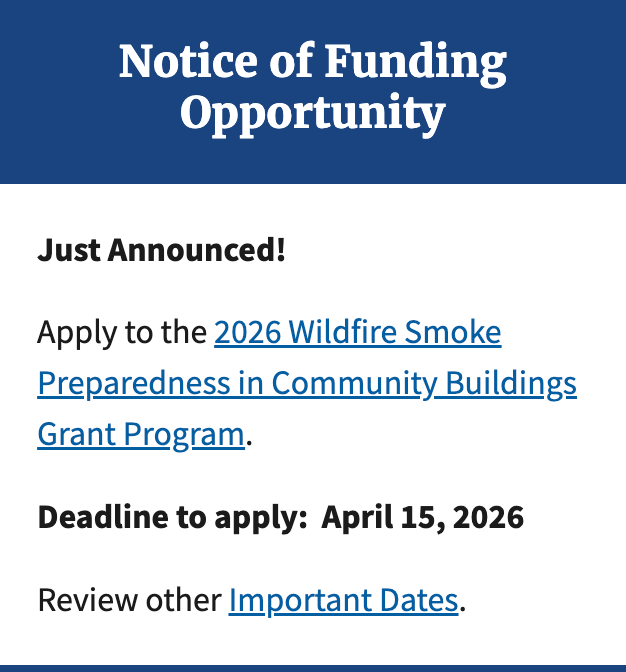
Wildfire Smoke Preparedness in Community Buildings Grant Program
- The EPA is accepting applications for projects that enhance public health by reducing indoor exposure to wildfire smoke and other pollutants. The program focuses on improving indoor air quality in community buildings such as schools, libraries, and community centers, with a priority on serving disadvantaged and smoke-burdened communities.
Funding available for:
- Building upgrades: HVAC repairs, air filtration system enhancements, and weatherization to prevent smoke intrusion.
- Equipment & monitoring: Purchase of portable air cleaners and the installation of indoor/outdoor air quality sensors.
- Cleaner air shelters: Preparation of dedicated public spaces to serve as "cleaner air centers" during smoke events.
- Planning & training: Development of smoke readiness plans and training for building managers on indoor air quality (IAQ) management.
- Public outreach: Community
education regarding the health risks of wildfire smoke and how to use the upgraded facilities.
- Technical assistance: Support for tribes and low-capacity communities to design and implement air quality protection strategies.
Award amounts: $350,000 – $2,500,000
Application deadline: April 15, 2026
|
|
|
Lower Mississippi Alluvial Valley Restoration Fund- NFWF, in partnership with several federal agencies and private corporations, is accepting proposals for the Lower Mississippi Alluvial Valley Restoration Fund to restore and enhance bottomland hardwood forests and wetland habitats.
Funding available for:
- Forest restoration: Reforestation, afforestation, and silvicultural treatments on private and public lands.
- Wetland hydrology: Restoration of natural floodplains and installation of water-control structures.
- Working lands conservation: Technical assistance for landowners to implement soil
health and water quality practices.
- Species-specific recovery: Habitat enhancement for the Louisiana black bear, waterfowl, and forest-dependent songbirds.
- Aquatic connectivity: Improvement of fish passage and stream health within the alluvial valley.
- Community resilience: Nature-based solutions that mitigate flooding and support local conservation jobs.
- Award amounts: $150,000 – $1,000,000
- Application deadline: April 23, 2026
|
|
|
|
|
|
|
|
|
|
|
|
|
|
|
|
|
|
|
|
|
|
|
|
|
|
|
|
|
|
|
|
|
|
|
|
|
|
|
|
|
|
|
|
|
|
|
|
|
|
|
|
|
|
|
|
|
|
|
|
|
|
|
|
|
- Big Cypress, FL
- Seminole Tribe of Florida
- Open Until
Filled
|
|
|
|
|
|
|
|
|
|
|
|
|
|
|
|
|
|
|
|
|
|
|
|
|
|
|
|
|
|
|
|
|
|
|
|
|
- Southeast Virginia
- The Longleaf Alliance
- Closes April 3
|
|
|
|
|
|
|
|
|
|
|
|
|
|
|
|
|
|
|
|
|
|
|
|
|
|
|
|
|
|
|
|
|
|
|
Fire Training Courses and Workshops
|
|
|
|
|
|
|
|
|
|
|
|
|
|
|
|
|
|
|
|
|
|
|
|
|
|
|
Tallahassee, FL & Rapid City, SD
|
|
|
|
|
|
|
|
|
|
|
|
|
|
Niobrara Valley Preserve, NE
|
|
|
|
|
|
|
|
|
|
|
|
|
|
|
|
|
|
Virtual with In-Person Field Days
|
|
|
|
|
|
|
|
|
|
|
|
|
|
Virtual with In-Person Field Days
|
|
|
|
|
|
|
|
|
|
|
Consult this SAWFIT website for a useful resource on other fire trainings offered across the Southeast.
|
|
|
|
|
|
|
|
|
|
|
|
|
|
Conferences, Meetings, and Other Events
|
|
|
|
|
|
|
|
|
|
|
Share your stories, events, and information in the next issue:
|
|
|
|
|
|
|
The Driptorch Digest is distributed by NC State University as a project of the Southeast Regional Partnership for Planning and Sustainability (SERPPAS) Prescribed Fire Working Group.
NC State University promotes equal opportunity and prohibits discrimination and harassment based upon one’s race; color; religion (including belief and non-belief); sex, including but not limited to pregnancy, childbirth, or other related medical condition, parenting, and sexual harassment; sexual orientation; actual or perceived gender identity; age; national origin;
disability; veteran status; or genetic information.
This newsletter is made possible through a grant from the National Fish and Wildlife Foundation, with support from the USDA Forest Service and the Department of Defense.
|
|
|
|
|