|
|
|
|
|
|
|
|
|
|
|
|
|
|
|
|
Statement on the Federal Government Shutdown
|
|
|
|
As of October 1, the federal government has been shut down until further notice.
During a federal government shutdown, essential wildland fire suppression operations continue to protect life and property, but many supporting activities pause. Note that fuels treatments, prescribed burns, training, and post-fire recovery efforts may be delayed, and contractor payments or interagency work can face disruptions.
|
|
|
|
|
|
A New Era for Federal Wildland Fire Management: The U.S. Wildland Fire Service
|
|
|
|
|
The Departments of the Interior and Agriculture have announced the creation of the U.S. Wildland Fire Service to help modernize wildfire management nationwide. This joint initiative implements President Trump’s Executive Order 14308, Empowering Commonsense Wildfire Prevention and Response, and seeks to unify federal fire programs, streamline coordination, and strengthen partnerships with state, tribal, and local teams.The plan, set for implementation in January 2026, outlines priorities including improved aviation systems, consolidated predictive services, modernized firefighter training, standardized emergency programs, and expanded beneficial use of forest biomass and residual materials.
By aligning wildfire prevention, suppression, and restoration under one framework, the U.S. Wildland Fire Service
aims to create a more resilient landscape and protect people, property, and ecosystems while ensuring prescribed fire remains a vital tool for reducing fuel loads and maintaining fire-adapted habitats.
|
|
|
|
|
|
Tippin' Torch: Tips for the Season
|
|
|
|
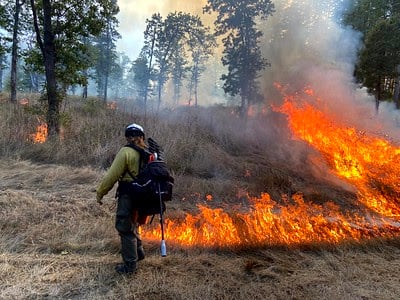
As fall arrives, the South is entering its dormant season, a key time for prescribed burning but also the height of the region’s wildfire season. If you're planning to burn, be sure to take extra care and check out the helpful checklists in Guidebook for Prescribed Burning to help you prepare safely. The guidebook is divided into two sections: the first walks through the steps of planning and conducting a burn, while the second helps you understand the ins and outs of fire behavior.
Some general steps when planning your burn include creating a burn plan, identifying your team
and equipment needs, and ensuring your gear is properly maintained. This NWCG guide on equipment inspection, care, and maintenance can help you get started. Make sure safety and liability plans are in place, and notify neighboring properties and the proper authorities. When conducting the burn, review your burn plan, watch for firebreak integrity, weather changes, and hazards, and verify equipment is working correctly.
Stay safe and happy burning!
|
|
|
|
|
|
|
|
Prescribed Fire News Roundup
|
|
|
|
|
New NWCG Equipment Advisory: Pre-2006 Fire Shelters Deemed Unsafe for Use
|
|
|
|
|
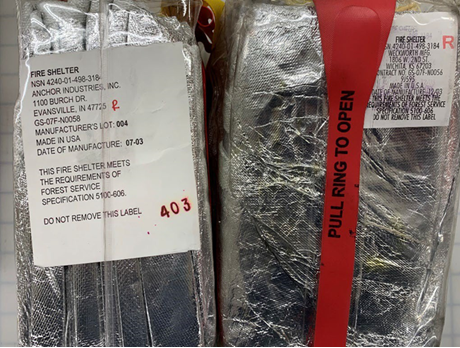
The National Wildfire Coordinating Group’s Equipment Technology Committee has issued Equipment Advisory 25-01, recommending that all pre-2006 fire shelters be removed from service by January 1, 2026 due to material degradation concerns. Firefighters and fire managers are urged to inspect shelters immediately, replace and destroy any with white or pink insert labels, and order new ones as needed. Staying proactive with equipment updates helps ensure practitioner safety during both wildfire response and
prescribed burning operations.
|
|
|
|
|
|
|
|
|
New Story Map from Joint Fire Science Program Highlights the Impact of Southern Fire Exchange
|
|
|
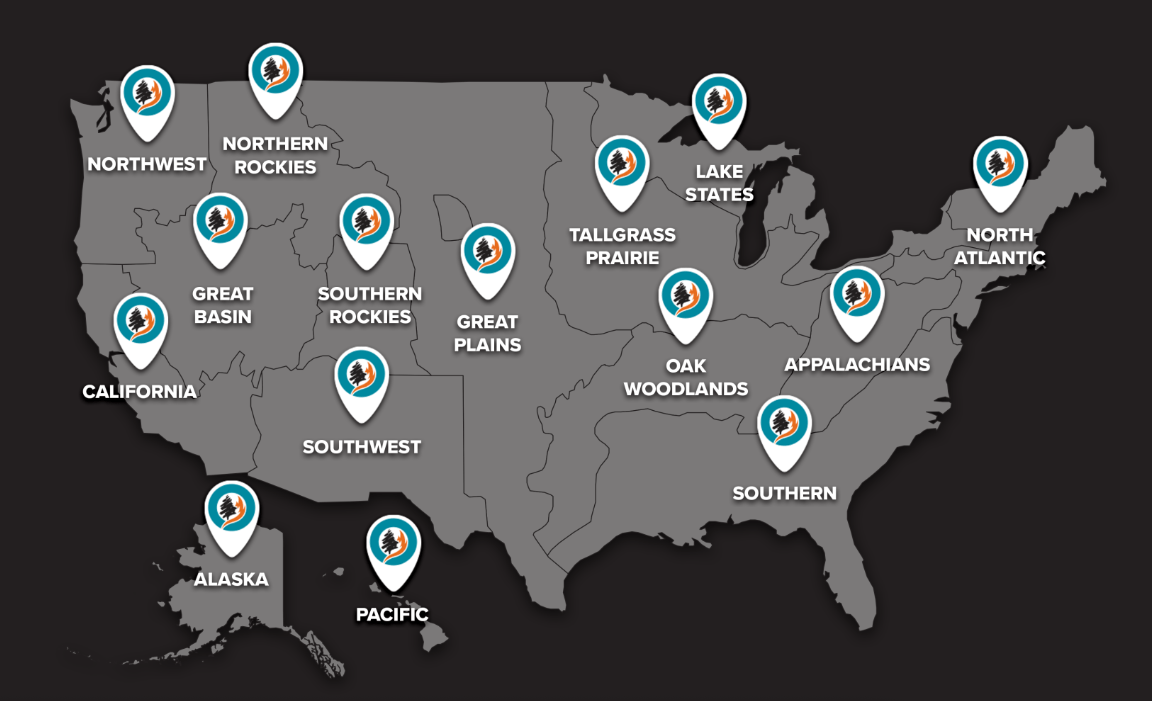
A new story map titled “A Year of Collaboration: The Fire Science Exchange Network” from the Joint Fire Science Program highlights the work of the Fire Science Exchange Network in fostering partnerships, knowledge sharing, and regional fire science coordination across the U.S. in the 2024 fiscal year. In the southeast, the Southern Fire Exchange has been essential in working to bridge the divide between fire science and natural resource management since 2011. Over the past 14 years, SFE programs have had over 90,000 participants and supported natural resource managers responsible for millions of acres across the country.
|
|
|
|
|
|
|
|
|
|
Using Drones to Enhance Prescribed Fire and Habitat Restoration: Lessons from Drone TREX in Arkansas
|
|
|
|
|
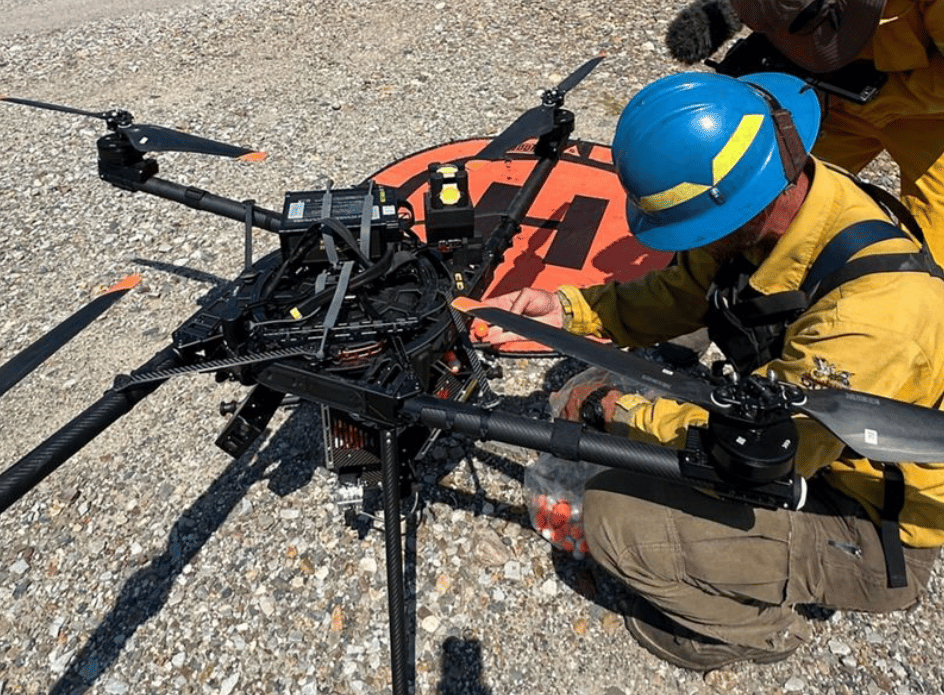
Drones are increasingly being integrated into fire and land management efforts, as shown by a recent Drone TREX in Arkansas where participants used UAVs to map terrain, monitor habitat, and even drop ignition spheres during prescribed burns. This technology offers huge promise for Southeast prescribed fire programs by allowing safer, more precise ignition in challenging
terrain, improving smoke tracking, and reducing crew exposure while enhancing ecological outcomes.
|
|
|
|
|
|
|
|
|
|
|
Other Fire Highlights and News
|
|
|
|
|
New Workbook Released on Creating Pathways for Cultural Burning
|
|
|
|
|
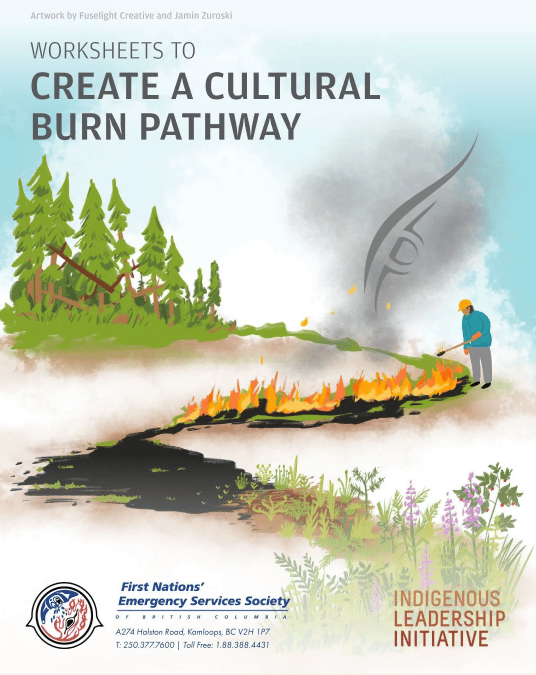
A new workbook titled "Create a Cultural Burn Pathway" has been released by the First Nations Emergency Services Society (FNESS) and the Indigenous Leadership Initiative (ILI). This resource offers a flexible, community-driven framework for establishing cultural burn programs. Designed to meet Nations where they are, the workbook includes seven worksheets that guide groups through planning, conducting, and evaluating cultural burns, with an emphasis on retaining and sharing fire knowledge. This resource is particularly relevant for Southeast prescribed fire practitioners interested in integrating Indigenous fire stewardship practices into their programs.
|
|
|
|
|
|
|
|
|
NWCG Launches New S-219 Blended Training for Fire Operations
|
|
|
| NWCG’s new S-219, Firing Operations (Blended) course is now available on the Wildland Fire Learning Portal. This course combines online and instructor-led training to prepare individuals for the Firing Boss, Single Resource (FIRB) incident qualifications. Developed through the Incident Performance and Training Modernization (IPTM) effort, the course builds essential knowledge and skills for planning and executing ignition operations safely and effectively. For prescribed
fire practitioners in the Southeast, completing S-219 offers valuable preparation for managing ignition techniques under varying fuel and weather conditions, which is key for conducting safe, successful burns across fire-adapted landscapes.
|
|
|
|
|
|
|
|
|
|
Reflections on Fire a Year Post-Helene
|
|
|
|
|
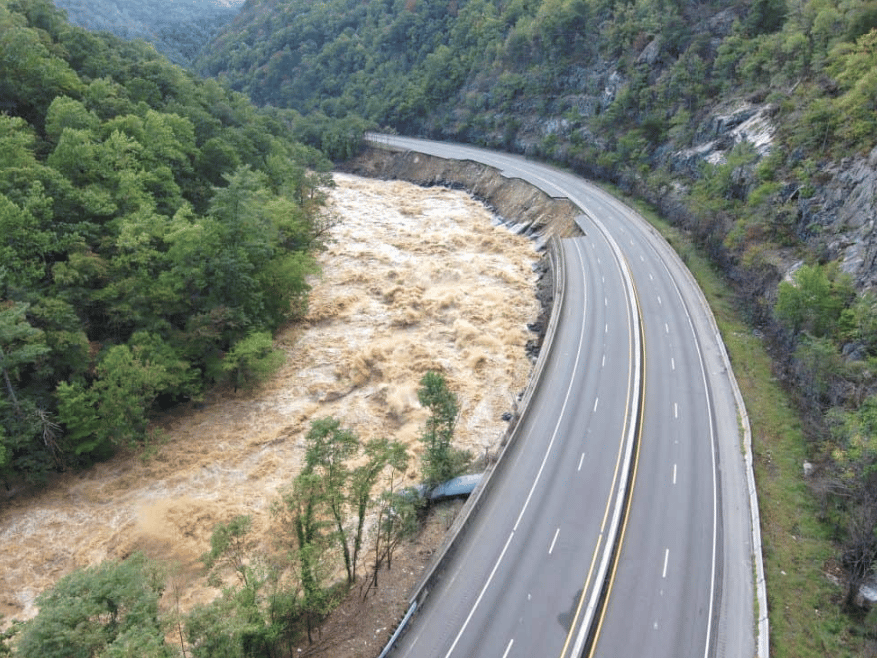
A recent blog post by Laurel Kays, Assistant Director of the Fire Learning Network, reflects on the profound impacts of Hurricane Helene on the Southern Appalachians, emphasizing the challenges faced in restoring prescribed fire practices in the aftermath. The storm's devastation, including widespread forest damage and compromised firebreaks, hindered fire management efforts during critical seasons. However, the resilience and collaboration of local communities and fire practitioners showcased the strength of established networks in navigating recovery and planning for future fire management.
|
|
|
|
|
|
|
|
|
|
|
|
|
|
|
|
|
|
|
|
|
|
|
|
|
|
|
|
|
|
|
|
|
|
|
- Gainesville, Georgia
- The Nature Conservancy
- Open until Filled
|
|
|
|
|
- Lake Apopka, Mount Dora, Florida
- St. Johns River Water Management District
- Open Until Filled
|
|
|
|
|
- Greenville, SC
- The Nature Conservancy
- Open until Filled
|
|
|
- Greenville, SC (multiple positions)
- The Nature Conservancy
- Open until Filled
|
|
|
- Bristol, Florida
- The Nature Conservancy
- Open until Filled
|
|
|
|
|
|
|
- Leesville, Louisiana
- Tall Timbers Research Station
- Open Until
Filled
|
|
|
|
|
|
|
|
|
|
|
- Wilmington, North Carolina (multiple openings)
- The Nature Conservancy
- Open until Filled
|
|
|
|
|
- Southern Pines, North Carolina (multiple openings)
- The Nature Conservancy
- Open until Filled
|
|
|
|
|
- Mauk, Georgia (multiple openings)
- The Nature Conservancy
- Open until Filled
|
|
|
|
|
- Gainesville, Georgia
- The Nature Conservancy
- Open until Filled
|
|
|
|
|
- Gainesville, Georgia
- The Nature Conservancy
- Open until Filled
|
|
|
- Avendaw, SC
- The Nature Conservancy
- Open until Filled
|
|
|
- Avendaw, SC (multiple openings)
- The Nature Conservancy
- Open until Filled
|
|
|
|
|
|
|
Land Manager
- Venice, Florida
- Sarasota County Parks, Recreation, & Natural Resources
- Open until Filled
|
|
|
|
|
|
|
|
|
Click here for a useful resource for students studying fire. Click here for a useful resource on fire career paths. Click here for the FireUp job board, a job posting site for fire and forestry work.
|
|
|
|
|
|
|
|
|
|
|
|
|
|
Fire Training Courses and Workshops
|
|
|
|
|
|
|
|
|
|
|
|
|
|
|
|
|
|
|
|
|
|
|
|
|
|
|
|
|
|
|
|
|
|
|
|
|
|
|
Virtual & New Orleans,
LA
|
|
|
|
|
|
Wekiwa Springs State Park,
FL
|
|
|
|
|
|
|
|
|
|
|
|
|
|
Southern Area: Tallahassee, FL
|
|
|
|
|
|
|
|
|
|
|
|
|
|
Tallahasee, FL & Tulsa, OK
|
|
|
|
|
|
Tallahassee, FL & Tulsa, OK
|
|
|
|
|
|
|
|
|
|
|
|
|
|
|
|
|
|
|
|
|
|
|
|
|
|
|
|
|
|
|
|
|
|
|
|
|
|
Online with In-Person Field Days, FL
|
|
|
|
|
|
|
|
|
|
|
|
|
|
|
|
|
|
|
|
|
|
|
|
|
|
|
|
|
|
|
|
|
|
|
|
|
|
|
|
Tallahassee, FL & Rapid City, SD
|
|
|
|
|
|
|
|
|
|
|
|
|
|
|
|
|
|
|
|
|
|
|
|
|
|
|
|
|
|
|
|
|
|
|
|
|
|
|
|
|
|
|
|
|
|
|
|
|
|
|
|
|
|
|
|
|
|
|
|
|
|
|
|
|
|
|
|
|
|
|
|
|
2026 North Carolina Interagency Wildland Fire Academy
|
|
|
|
|
|
|
|
|
|
|
|
|
|
|
|
|
|
|
|
|
|
|
|
|
|
|
|
|
|
|
Click here for a useful resource on other fire trainings offered across the Southeast. Click here for a useful resource on other fire conferences offered globally.
|
|
|
|
|
|
|
|
|
|
|
|
|
|
Conferences, Meetings, and Other Events
|
|
|
|
|
|
|
|
|
|
|
|
|
|
|
|
|
|
|
|
|
|
|
|
|
|
|
|
|
West Florida Fire and Nature Festival (More information coming soon!)
|
|
|
|
|
|
|
|
|
|
|
|
|
|
|
Mental Health Resources can be found here.
Subscribe to Wildfire Today, a wildfire news & opinion site here. Share your stories, events, and information in the next issue:
|
|
|
|
|
|
|
The Driptorch Digest is distributed by NC State University as a project of the Southeast Regional Partnership for Planning and Sustainability (SERPPAS) Prescribed Fire Working Group.
NC State University promotes equal opportunity and prohibits discrimination and harassment based upon one’s race; color; religion (including belief and non-belief); sex, including but not limited to pregnancy, childbirth, or other related medical condition, parenting, and sexual harassment; sexual orientation; actual or perceived gender identity; age; national origin;
disability; veteran status; or genetic information.
This newsletter is made possible through a grant from the National Fish and Wildlife Foundation, with support from the USDA Forest Service and the Department of Defense.
|
|
|
|
|