|
|
|
|
|
|
|
|
|
|
|
|
|
|
|
|
Statement on Wildfires Across the Southeast
|
|
|
|
|
|
U.S. Forest Service Announces Major Reorganization and Shift to State-Based Model
|
|
|
|
|
|
|
The U.S. Forest Service is undergoing a sweeping reorganization that includes moving its headquarters to Salt Lake City and transitioning to a "state-based organizational model." As part of this shift, all ten regional offices will be closed and replaced by a network of six operational service centers, including one in Athens, Georgia. While agency leadership argues the move will make the Forest Service more nimble and efficient, critics and retired officials express concern that the disruption could lead to a loss of experienced personnel and impact wildland fire research.
For the prescribed fire community in the
Southeast, the Athens operational service center will provide technical and administrative support for forests across the region. Agency leadership has stated that the Fire and Aviation Management program will retain its existing Geographic Area Coordination Center structure to ensure national incident coordination remains stable. Additionally, the USDA maintains that frontline mission work, including active forest management
(including prescribed fire) and wildfire response, will continue without interruption throughout the transition.
|
|
|
|
|
|
|
|
Tippin' Torch: Tips for the Season
|
|
|
|
- Check for fire hazards before operating farm equipment or other machines.
- Use tow chains correctly.
- Be careful parking in dry grass and brush.
|
|
|
|
|
|
|
|
Monthly Update for Prescribed Burn Associations in the Southeast
|
|
|
|
|
|
Prescribed Fire News Roundup
|
|
|
|
|
Wildfires Lead to First Open Burn Ban in Georgia Forestry Commission History
|
|
|
|
|
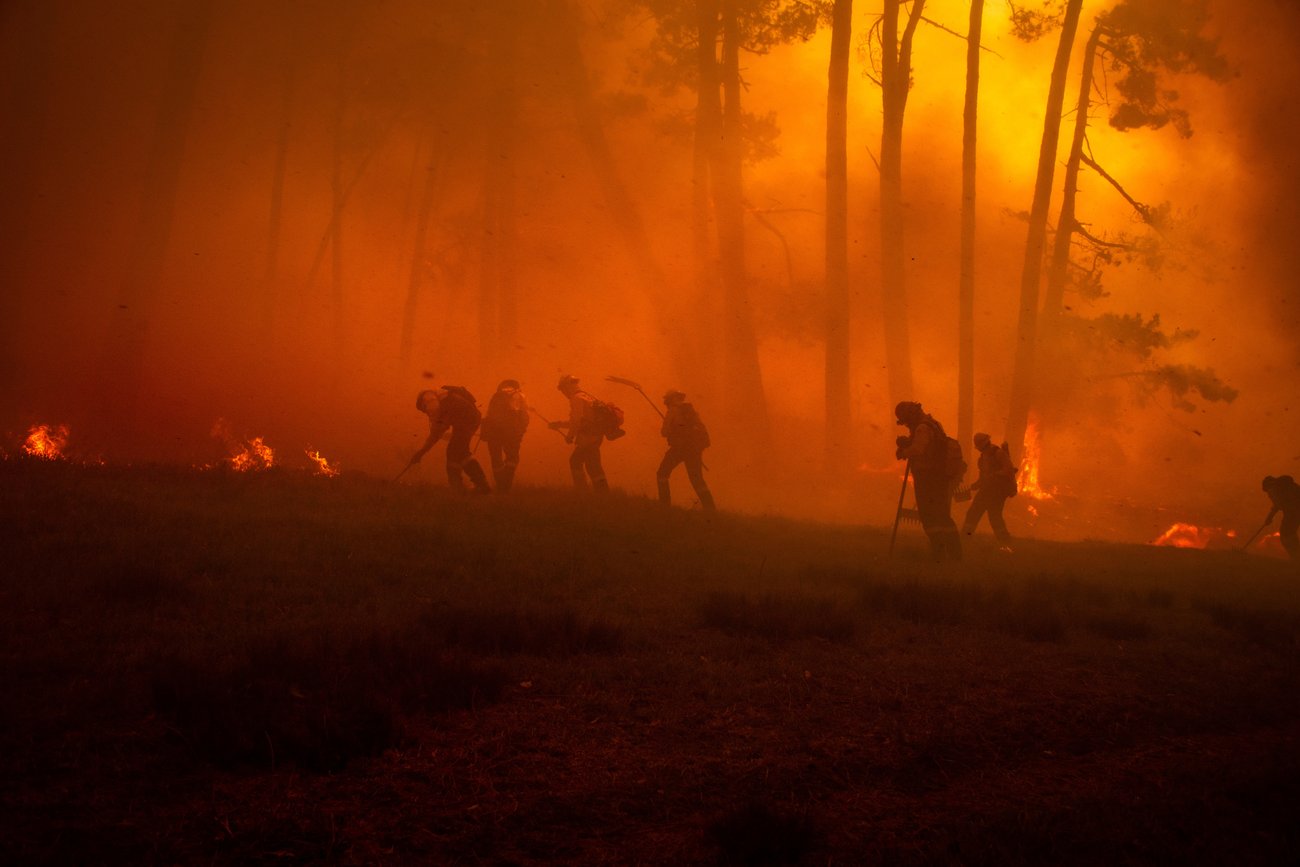
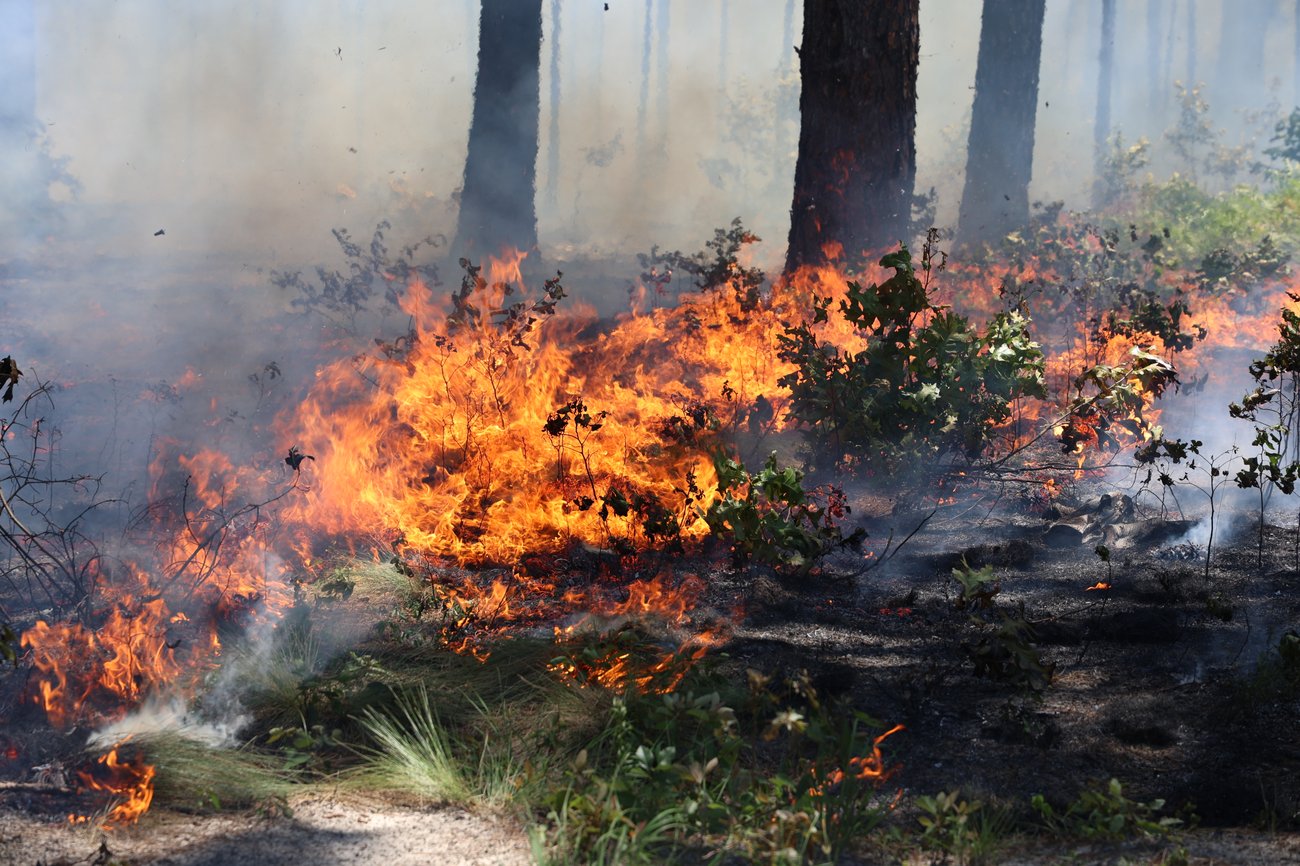
The Georgia Forestry Commission has issued a mandatory burn ban for 91 counties across Central and South Georgia for the first time in its history. This administrative order prohibits all outdoor burning including prescribed fires and yard debris due to worsening exceptional drought conditions. The measure aims to protect life
and property as firefighters across the region battle a near-record number of high-intensity wildfires. Fire practitioners are encouraged to suspend all burning operations until significant rainfall helps subside these volatile fuel conditions.
|
|
|
|
|
|
|
|
|
Proposed Rule to Grant Wildland Firefighters Hazard Pay for Prescribed Burns
|
|
|
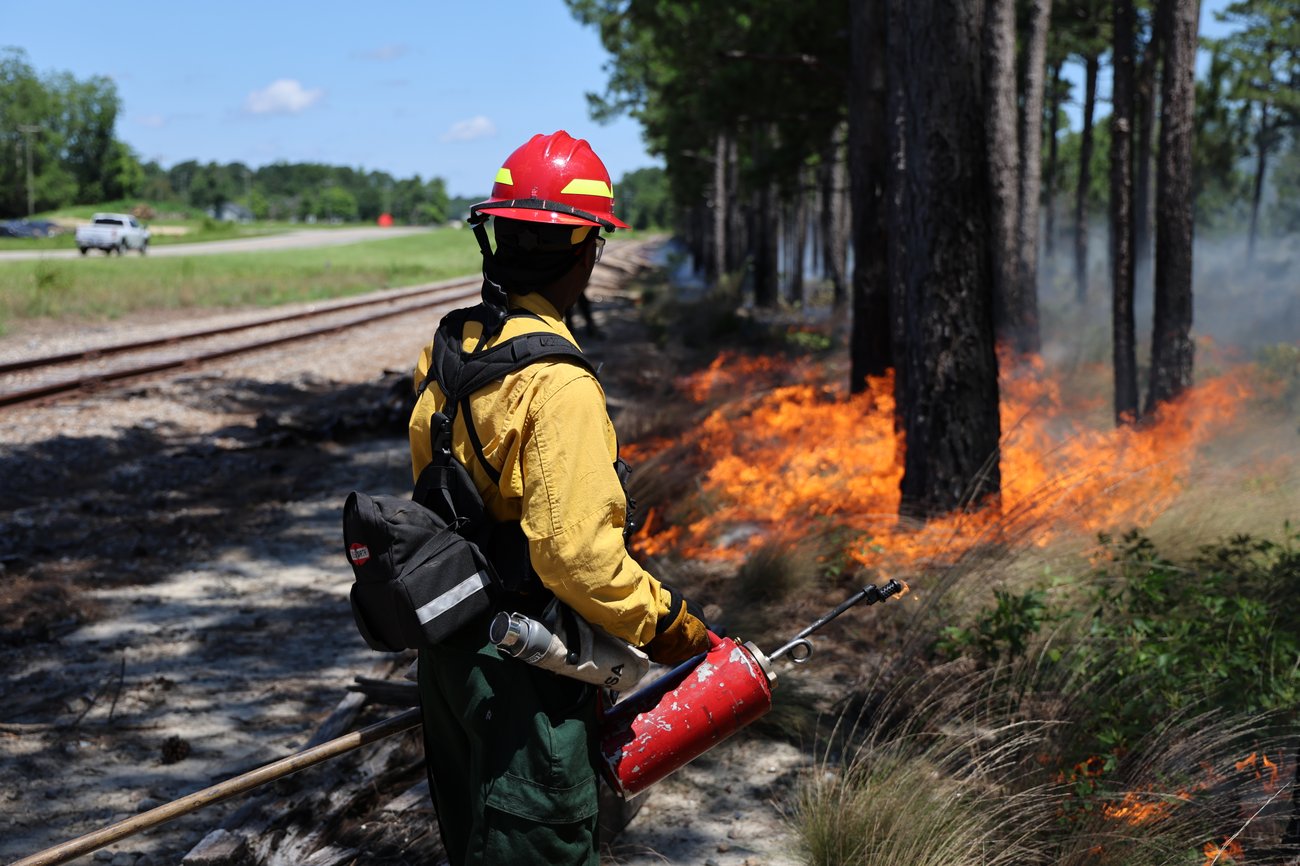
Federal officials have proposed a new rule that would grant wildland firefighters a 25% hazardous duty pay increase for work conducted during prescribed fires. This change acknowledges that "good fire" operations involve many of the same physical
and chemical risks as wildfire suppression, including smoke exposure and unpredictable terrain. If finalized, the rule would address a long-standing pay disparity and serve as a significant win for recruitment and retention within the federal firefighting workforce.
|
|
|
|
|
|
|
|
|
|
Global Fire Researchers and Practitioners Meet for 4th International Smoke Symposium
|
|
|
|
|
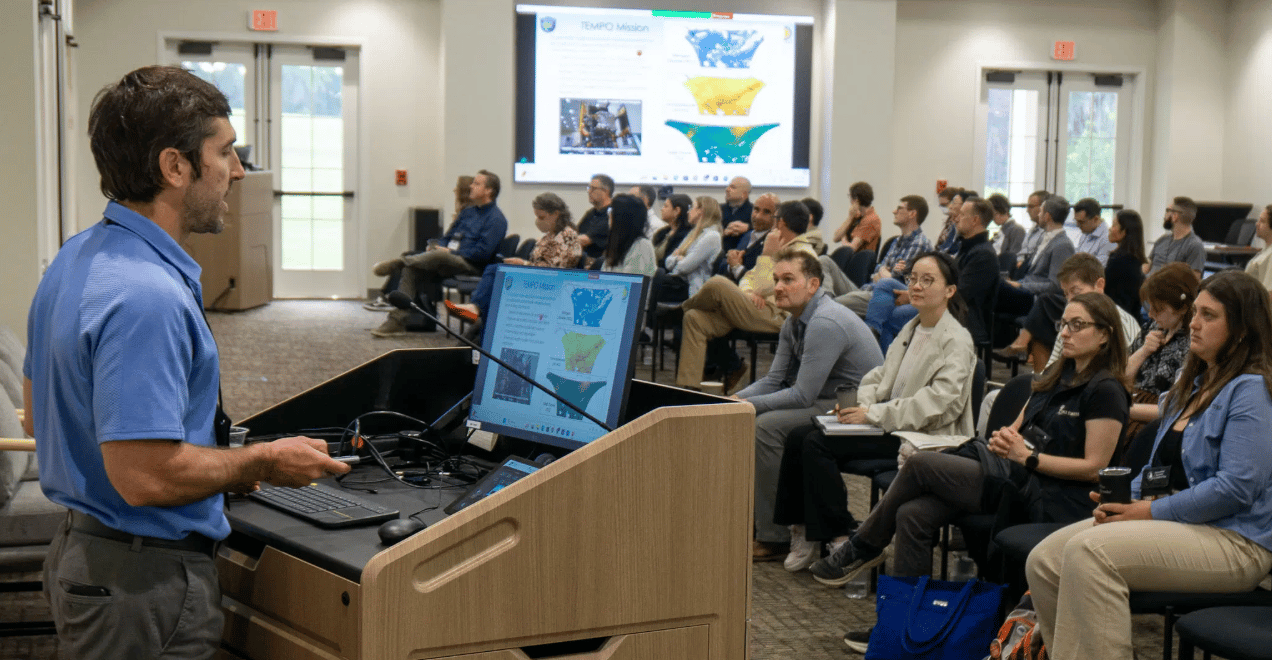
Tall Timbers Research Station recently hosted the 4th International Smoke Symposium, bringing together over 200
researchers and practitioners from 13 countries to exchange knowledge on smoke management. Unlike typical academic conferences, the event took place on-site during the peak of the spring burn season, allowing attendees to witness live prescribed fire demonstrations. The symposium featured diverse perspectives, ranging from technical deep-dives by NASA scientists to personal stories from private landowners managing their property with fire.
|
|
|
|
|
|
|
|
|
|
|
Other Fire Highlights and News
|
|
|
|
|
Terrestrial LiDAR Provides Deep Insights into Prescribed Fire Effects and Ecology
|
|
|
|
|
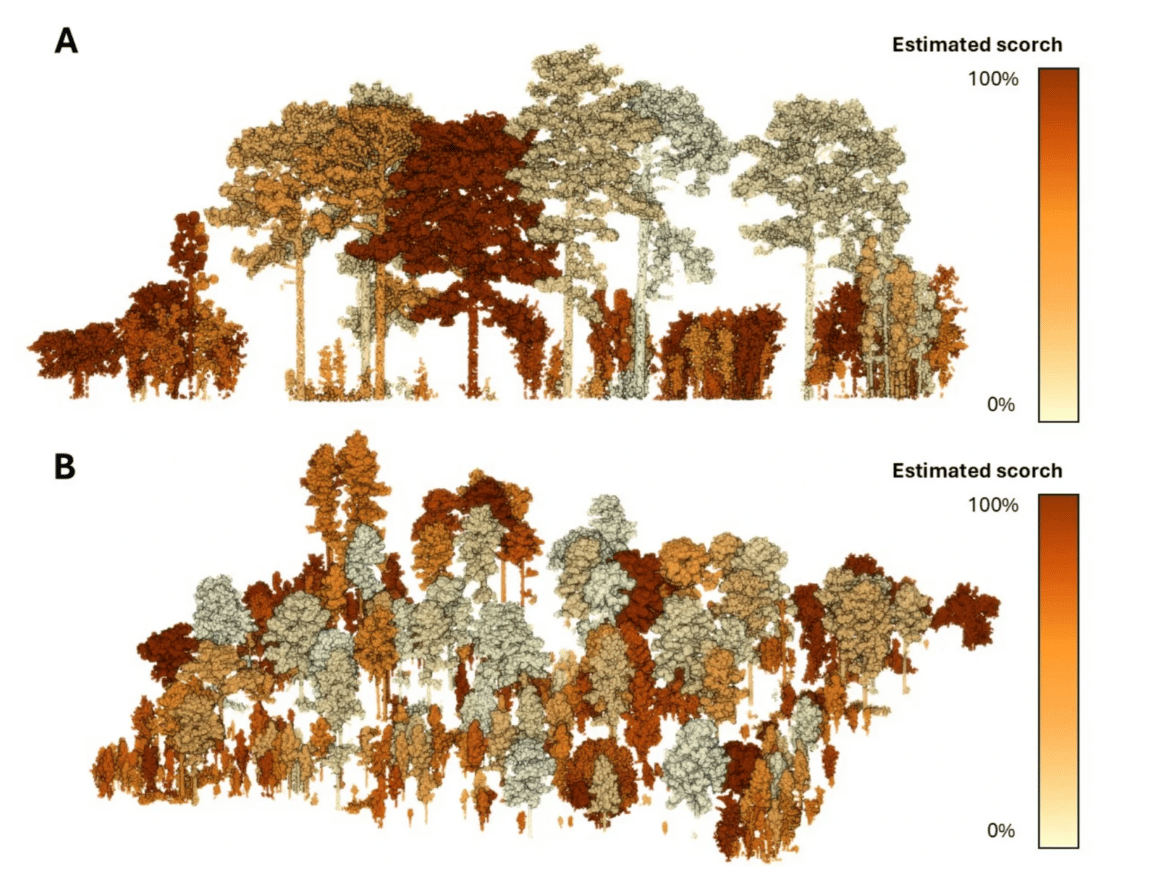
Researchers at the Jones Center at Ichauway are utilizing terrestrial LiDAR (Light Detection and Ranging) to revolutionize how fire behavior and its effects on forest structure are measured. By scanning plots before and after a prescribed burn, the technology creates high-resolution 3D maps that precisely quantify fuel consumption and "scorch" patterns that were previously difficult to capture.
This data helps ecologists better understand the relationship between fire intensity and the survival of diverse groundcover species in longleaf pine ecosystems. Ultimately, the use of LiDAR provides a more objective, data-driven foundation for refining prescribed fire techniques to meet specific conservation goals.
|
|
|
|
|
|
|
|
|
LANDFIRE Launches Fire Needs Assessment Tool
|
|
|
LANDFIRE has introduced the Fire Needs Assessment (FNA), a spatial analysis tool designed to help land managers determine where fire is needed to maintain ecosystem health. By utilizing LANDFIRE’s extensive geospatial datasets, the assessment compares current vegetation and fire regimes to historical reference conditions to identify areas of "fire deficit" or excessive fire. This data-driven approach allows practitioners to prioritize prescribed burns and fuel treatments
more effectively across large, diverse landscapes. Ultimately, the FNA provides a framework for restoring natural fire cycles and improving long-term forest resiliency.
|
|
|
|
|
|
|
|
|
|
| Professional Mentorship Program Leads to Launch of New Wildland Fire Resources Library
|
|
|
|
|
The International Association of Wildland Fire (IAWF) mentoring program paired Eric Evenson and Max Levy based on shared interests, fostering a partnership that eventually led to the development of the Wildland Fire Resources Library. This centralized online hub supports the next generation of fire professionals by providing critical information on community resilience, training, and career advancement opportunities. Their collaboration illustrates how professional mentorship can evolve into tangible tools that strengthen the collective knowledge of the wildland fire workforce.
|
|
|
|
|
|
|
|
|
|
|
|
|
|
|
|
|
|
|
|
|
|
|
|
|
|
|
|
|
|
|
|
|
|
|
|
|
|
- Greenville, SC
- The Ember Alliance
- Open Until Filled
|
|
|
|
|
|
|
|
|
|
|
|
|
|
|
|
|
|
|
|
|
|
|
|
|
|
|
|
|
|
|
|
|
|
|
|
|
|
|
|
|
|
|
|
|
Fire Training Courses and Workshops
|
|
|
|
|
|
|
|
|
|
|
|
|
|
|
|
|
|
|
|
|
|
|
|
|
|
|
|
|
|
|
|
|
|
|
|
|
|
|
|
|
|
|
|
|
|
|
|
|
|
|
|
|
|
|
|
|
|
|
|
|
Virtual with In-Person Field Trips
|
|
|
|
|
|
|
|
Virtual with In-Person Field Days
|
|
|
|
|
|
|
|
|
|
|
|
|
|
|
|
|
|
|
|
Virtual with In-Person Field Days
|
|
|
|
|
|
|
|
|
|
|
|
|
|
|
|
|
|
|
|
|
|
|
|
|
|
|
|
|
|
|
|
|
|
|
|
|
|
|
|
|
|
|
|
|
|
|
|
|
|
|
|
|
|
|
|
|
|
|
|
|
|
|
|
|
|
|
|
|
Consult this SAWFIT website for a useful resource on other fire trainings offered across the Southeast.
|
|
|
|
|
|
|
|
|
|
|
|
|
|
Conferences, Meetings, and Other Events
|
|
|
|
|
|
|
|
|
|
|
Share your stories, events, and information in the next issue:
|
|
|
|
|
|
|
The Driptorch Digest is distributed by NC State University as a project of the Southeast Regional Partnership for Planning and Sustainability (SERPPAS) Prescribed Fire Working Group.
NC State University promotes equal opportunity and prohibits discrimination and harassment based upon one’s race; color; religion (including belief and non-belief); sex, including but not limited to pregnancy, childbirth, or other related medical condition, parenting, and sexual harassment; sexual orientation; actual or perceived gender identity; age; national origin;
disability; veteran status; or genetic information.
This newsletter is made possible through a grant from the National Fish and Wildlife Foundation, with support from the USDA Forest Service and the Department of Defense.
|
|
|