|
|
|
|
|
|
|
|
|
|
|
|
|
|
|
|
|
|
Navigating Prescribed Fire Management Amid Narrowing Burn
Windows
|
|
|
|
|
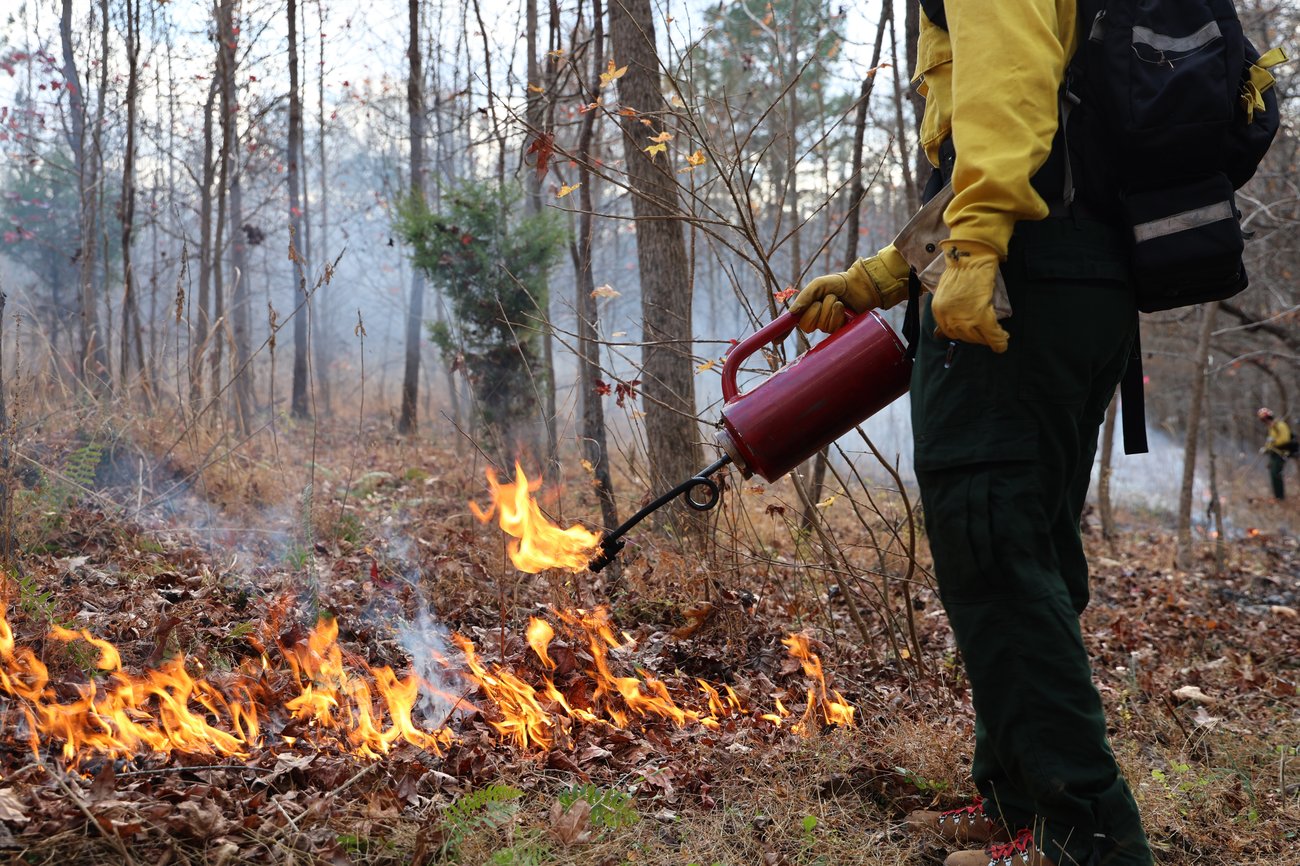
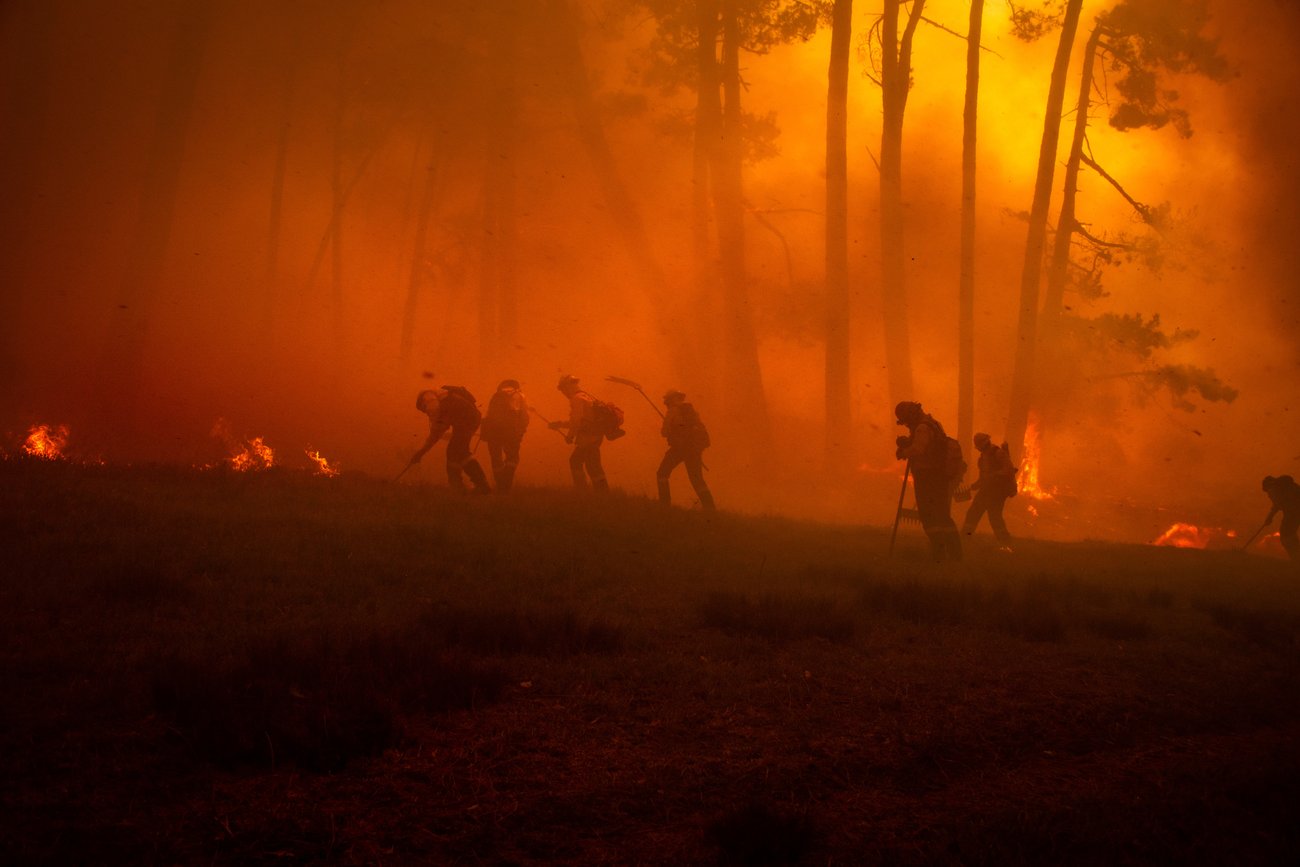
Recent research from North Carolina State University highlights how shifting atmospheric conditions are complicating the use of prescribed fire, potentially intensifying the air quality impacts of controlled burns. As warmer and drier seasonal patterns emerge, traditional "burn windows" are narrowing, creating a logistical bottleneck for land managers. This trend suggests that while controlled burning remains an essential tool for forest health, the resulting smoke may become more difficult to manage under increasingly volatile weather conditions, posing new risks to regional air quality standards.
These findings emphasize the need for proactive planning and smoke modeling to maintain the viability of prescribed fire programs. By aligning land management strategies with these evolving environmental realities, practitioners can better anticipate smoke behavior and mitigate public health impacts. Ultimately, the study reinforces that adapting the approach to fire application is vital to sustaining prescribed fire as a cornerstone of wildfire resilience and ecosystem restoration.
|
|
|
|
|
|
Tippin' Torch: Tips for the Season
|
|
|
|
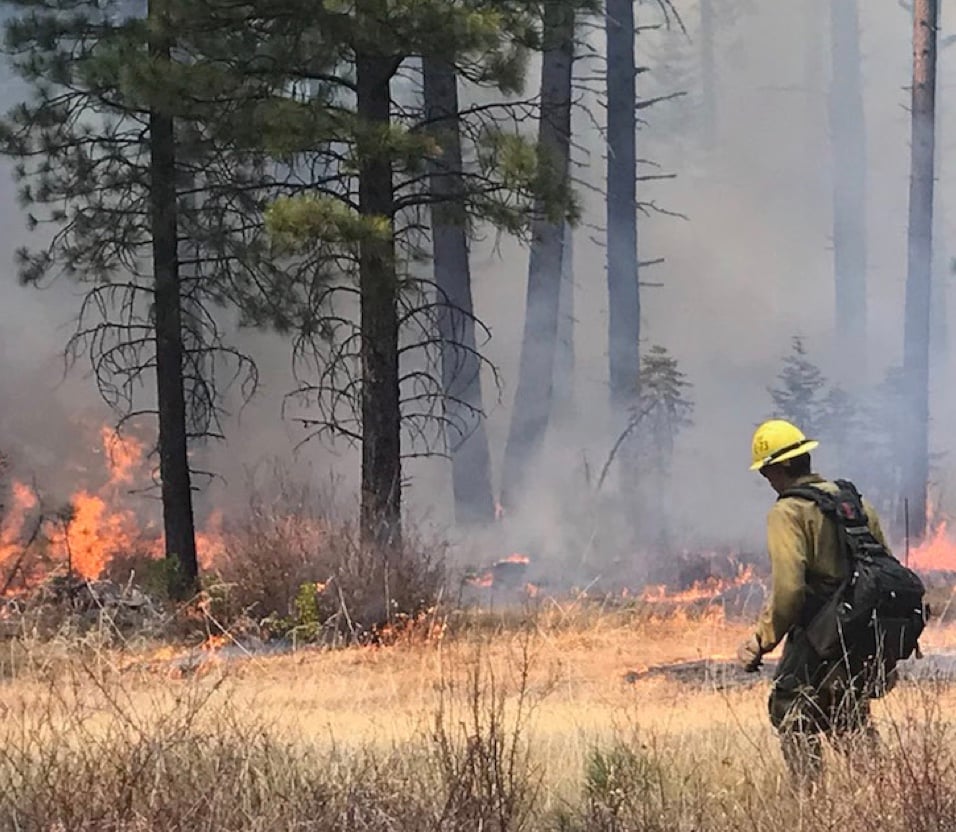
 Prescribed fires bring risks related to smoke exposure. The smoke produced by these controlled burns can contain a mixture of particulate matter, carbon monoxide, and organic compounds, which all can affect air quality and create health hazards. Smoke can travel long distances, impacting communities far from the burn site, making it crucial to monitor and manage air quality during prescribed fire operations.
Smoke management strategies are very important in order to reduce health risks during prescribed fires.
Here are some tips:
- Have a proper burn plan
- Consider different weather conditions, fuel types, and burn timing,
- Create good communication for the public to inform about when prescribed burns are occurring and the potential impacts on air quality
By incorporating these practices, you can reduce the negative effects of smoke during a prescribed fire. To learn more about these hazards and best practices, view the full fact sheet provided by the Southern Fire Exchange as well as the Wildfire Risk to Communities' website.
|
|
|
|
|
|
Monthly Update for Prescribed Burn Associations in the Southeast
We are excited to announce that we are adding a new section to the Driptorch Digest! Each month, we will be providing a monthly PBA update for prescribed burn associations across the Southeast. Please share any news, funding opportunities, or success stories for southern PBAs. We would love to highlight this information! For more resources on PBAs, please visit the Southeast Prescribed Fire Update website, under the "Prescribed Burn Associations" tab.
|
|
|
|
|
|
Prescribed Fire News Roundup
|
|
|
|
|
Interior Takes Next Steps to Establish U.S. Wildland Fire Service
|
|
|
|
|
The Department of the Interior has formally announced it is taking the next steps to establish the U.S. Wildland Fire Service to unify wildland fire management programs across its various bureaus. This announcement highlights the hiring of Brian Fennessy to lead the USWFS. This reorganization aims to streamline federal wildfire response, modernize infrastructure, and improve coordination with state and local partners by consolidating resources into a single, cohesive agency. By centralizing leadership and
research, the new service aims to enhance the capacity to implement prescribed burning as a tool for wildfire prevention and long-term landscape resilience.
|
|
|
|
|
|
|
|
|
Refining Air Quality Standards to Support Prescribed Fire in Albany
|
|
|
Collaborative efforts between Tall Timbers and Georgia forestry officials have led to a more precise air quality rule set for the Albany 2026 burn season. By transitioning to a 6 a.m. particulate matter reading rather than a 24-hour average, the new policy significantly reduces "false bans" that previously prevented burning on ideal days. This science-based approach allows for increased acreage treated with prescribed fire while successfully maintaining air quality well below federal limits. For the Southeast,
this model demonstrates how proactive smoke management and data-driven regulations can preserve the essential role of prescribed fire in a more restrictive regulatory environment.
|
|
|
|
|
|
|
|
|
|
New Federal Funding Boosts Wildfire Resilience and Prescribed Burn Safety
|
|
|
|
|
The Department of the Interior’s Office of Wildland Fire recently awarded $5.08 million to help 97 local emergency response agencies across 26 states enhance their wildfire response capabilities, with multiple funding
recipients located in the Southeast. Distributed through the Slip-on Tanker Pilot Program, this funding provides small and remote agencies with mobile water tank systems that can be easily integrated into existing pickup trucks. By equipping local partners with these tools, the program strengthens the collaborative network necessary to safely implement beneficial fire and maintain regional ecosystem health.
|
|
|
|
|
|
|
|
|
|
|
Other Fire Highlights and News
|
|
|
|
|
Managing Prescribed Fire Risks Amid Record Regional Drought
|
|
|
|
|
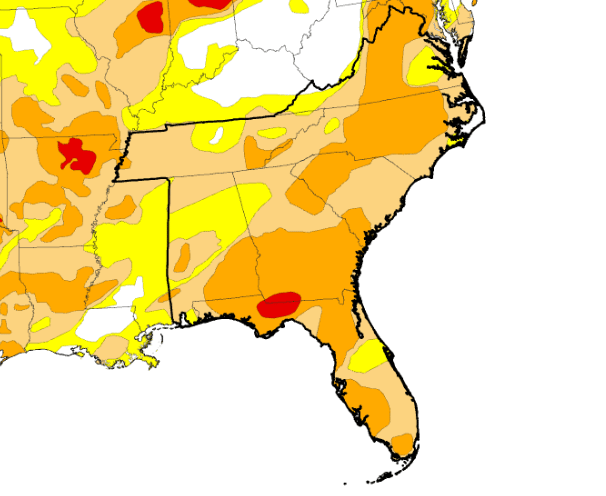
A January 2026 drought update indicates that nearly 99% of the Southeast is experiencing abnormally dry conditions, with over 86% of the region in moderate to extreme drought. Persistent precipitation deficits and above-normal temperatures since mid-2025 have led to significant soil moisture depletion and elevated wildfire risk across all Southeastern states. For land managers, these conditions necessitate extreme caution during prescribed fire operations, as dry fuel beds and low humidity can lead to unpredictable fire behavior. While the need for fuel reduction is high, practitioners must closely monitor localized drought indices and weather forecasts to ensure that beneficial burns do not escape or negatively impact air quality under these volatile environmental conditions.
|
|
|
|
|
|
|
|
|
Enhancing Roadway Safety During Fire Operations
|
|
|
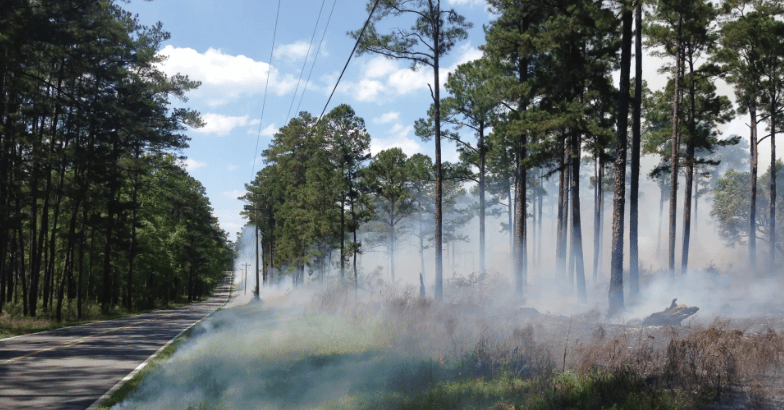
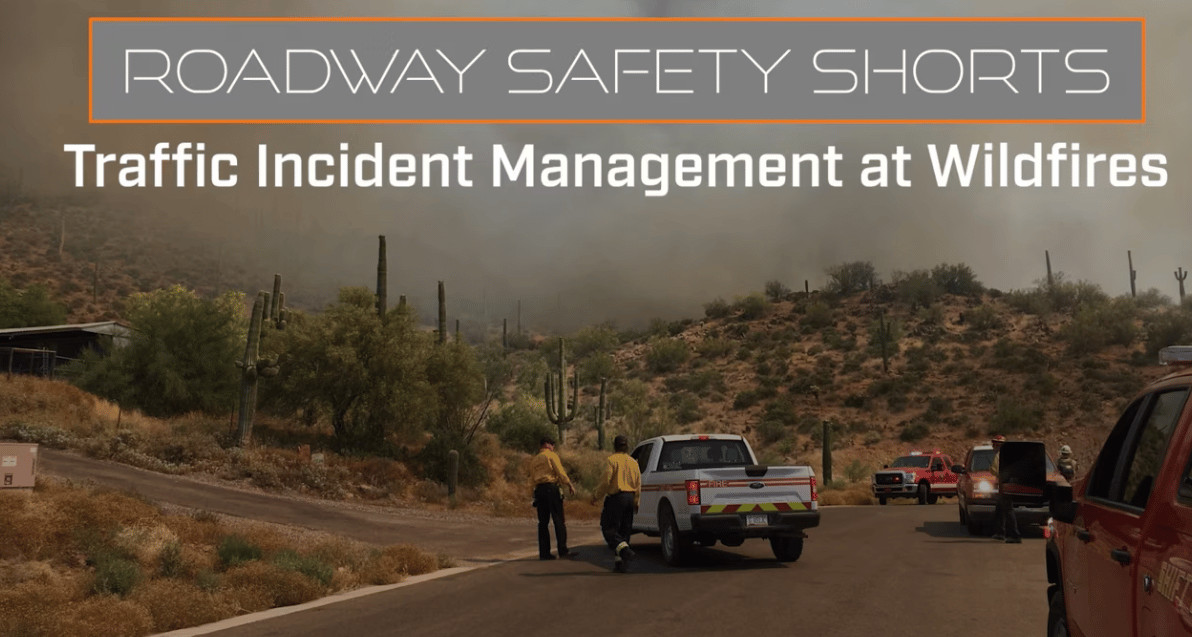
| New guidance on Traffic Incident Management (TIM) at wildfires provides critical strategies for maintaining responder and public safety when fire operations intersect with roadways. The resource emphasizes the importance of advance warning signs, high-visibility apparel, and coordinated safe positioning to manage traffic through areas of reduced visibility. For fire practitioners in the Southeast, where smoke frequently impacts highway corridors, these TIM principles are essential for preventing secondary accidents and protecting
personnel working near traffic. Integrating these standardized safety protocols into burn plans ensures that beneficial fire can be applied to the landscape while minimizing risks to regional transportation networks.
|
|
|
|
|
|
|
|
|
|
Workforce Challenges Meet Proposed Wildfire Response Mandates
|
|
|
|
|
The proposed Wildfire Response and Preparedness Act has sparked a national debate by seeking to mandate a 30-minute evaluation and a three-hour deployment for all wildfires on federal lands. Proponents argue that standardized, aggressive initial attacks are necessary to prevent small ignitions from becoming uncontrollable blazes, while critics warn that chronic staffing shortages and remote terrain make such strict timelines unrealistic without massive workforce investment. In the Southeast, this legislation could potentially impact how resources are prioritized between active
suppression and beneficial burning operations.
|
|
|
|
|
|
|
|
|
|
|
|
|
|
|
|
|
|
|
Healthy American Forests Initiative
- NFWF, through an agreement with the U.S. Forest Service, is accepting proposals for the Healthy American Forests Initiative to support watershed restoration and vegetation management on National Forest System lands.
Funding available for:
- On-the-ground restoration (habitat restoration, stream/wetland restoration)
- Vegetation management and wildfire risk reduction
- Technical assistance, outreach, and capacity building
- Planning and design for sustainable forest management
- Species recovery and habitat connectivity
- Infrastructure resilience and workforce development
- Award amounts: $250,000 – $2,000,000
- Application deadline: March 17, 2026
|
|
|
Fire Science Innovations through Research and Education (FIRE)
- The U.S. National Science Foundation is accepting proposals through its FIRE program to support convergent research, education, and networking activities to improve understanding, prediction, and resilience to wildland fire and its interactions with communities,
infrastructure, and the natural environment.
Funding available for:
- Focus area 1: Next Generation Coupled Fire Models (FIRE-MODEL)
- Focus area 2: Enhancing Capacity for Fire Resilience in the Wildland-Urban Interface (WUI)
- Focus area 3: Fire Science Innovations through Research and Education (FIRE) Networks (FIRE-NET)
- Application deadline: April 1, 2026
|
|
|
|
|
|
|
|
|
|
|
|
|
- Leesville, Louisiana
- Tall Timbers Research Station
- Open Until
Filled
|
|
|
|
|
|
|
|
|
- Greenville, SC
- The Ember Alliance
- Open Until Filled
|
|
|
|
|
|
|
|
|
- Greenville, SC
- The Ember Alliance
- Open Until Filled
|
|
|
|
|
|
|
|
|
|
|
|
|
|
|
|
|
|
|
|
|
|
|
|
|
|
|
|
|
- Big Cypress, FL
- Seminole Tribe of Florida
- Open Until
Filled
|
|
|
|
|
|
|
|
|
|
|
|
|
- Oxford, MS
- Pheasants Forever/Quail Forever
- Closes February
24
|
|
|
|
|
|
|
Click here for a useful resource for students studying fire. Click here for a dedicated SAFE community Discord server to connect with students nationwide on fire ecology. Click here for a useful resource on fire career paths. Click here for the FireUp job board, a job posting site for fire and forestry work.
|
|
|
|
|
|
|
|
|
|
|
|
|
|
Fire Training Courses and Workshops
|
|
|
|
|
|
|
|
|
|
|
|
|
|
|
|
|
|
|
|
|
|
|
|
|
|
|
|
|
|
|
|
|
|
|
Tallahasee, FL & Tulsa, OK
|
|
|
|
|
|
|
|
|
|
|
|
|
|
|
|
|
|
|
|
|
|
|
|
|
|
|
|
|
|
|
|
|
|
|
|
|
|
|
|
Tallahassee, FL & Tulsa, OK
|
|
|
|
|
|
|
|
|
|
|
|
|
|
Tallahassee, FL & Rapid City, SD
|
|
|
|
|
|
|
|
|
|
Niobrara Valley Preserve, NE
|
|
|
|
|
|
|
|
|
|
|
|
Virtual with In-Person Field Days
|
|
|
|
|
|
|
|
|
|
|
|
|
|
|
|
|
|
|
|
|
|
|
|
|
|
|
|
|
|
|
|
|
|
|
|
|
|
|
|
|
|
|
|
|
|
|
|
|
|
|
|
|
|
|
|
|
|
|
|
|
|
|
|
|
|
|
|
|
|
|
|
|
|
|
|
|
|
|
|
|
|
|
|
|
|
|
|
|
|
|
|
|
|
Virtual with In-Person Field Days
|
|
|
|
|
|
|
|
|
|
|
|
|
|
|
Click here for a useful resource on other fire trainings offered across the Southeast.
|
|
|
|
|
|
|
|
|
|
|
|
|
|
Conferences, Meetings, and Other Events
|
|
|
|
|
|
|
Click here for a useful resource on other fire conferences offered globally.
|
|
|
|
|
|
Mental Health Resources can be found here.
Subscribe to Wildfire Today, a wildfire news & opinion site here. Share your stories, events, and information in the next issue:
|
|
|
|
|
|
|
The Driptorch Digest is distributed by NC State University as a project of the Southeast Regional Partnership for Planning and Sustainability (SERPPAS) Prescribed Fire Working Group.
NC State University promotes equal opportunity and prohibits discrimination and harassment based upon one’s race; color; religion (including belief and non-belief); sex, including but not limited to pregnancy, childbirth, or other related medical condition, parenting, and sexual harassment; sexual orientation; actual or perceived gender identity; age; national origin;
disability; veteran status; or genetic information.
This newsletter is made possible through a grant from the National Fish and Wildlife Foundation, with support from the USDA Forest Service and the Department of Defense.
|
|
|
|
|