|
|
|
|
|
|
Alexander County Center Newsletter
|
|
|
|
|
|
|
|
|
Drought Assistance Available for Livestock Producers
The Livestock Forage Disaster Program (LFP), administered by the Farm Service Agency (FSA), provides financial support to livestock producers who experience grazing losses due to qualifying drought conditions. The program helps producers recover from significant forage losses and address increased feed costs resulting from disasters.
Farm records and acreage reports are required for LFP prior to completing the automated CCC-853 LFP application. Therefore producers should make sure all of their pastureland is registered with their local Farm Service Agency. Alexander County’s Farm Service Agency is located in Iredell County. Producers should contact FSA to make an appointment to update their records by calling 704-872-5061. All perennial forage acreage has to be reported by July 15, 2026 to the Farm Service Agency to be eligible to apply.
The application period for LFP will be open until March 2027, so you have plenty of time to apply. You may be asked to provide herd inventory records, vet records or some type of ownership verification.
Eligible grazing animals are both adult and weaned non-adult being produced or maintained for commercial use of the farming operation:
Beef and dairy cattle
Buffalo/beefalo/bison (including water buffalo)
Alpacas, deer, elk, emus, llamas, reindeer
Equine (horses are not eligible if produce for any reason other than commercial use)
Sheep, goats
Ostrich
The daily Animal Unit feed rate and monthly forage value determined according to 7 CFR 1416.207 is:
Year Daily AU Feed Rate Monthly Value of Forage for 1AU
2025 $1.3800 $41.40
2026 $1.1885 $35.66
|
|
|
|
|
|
|
|
|
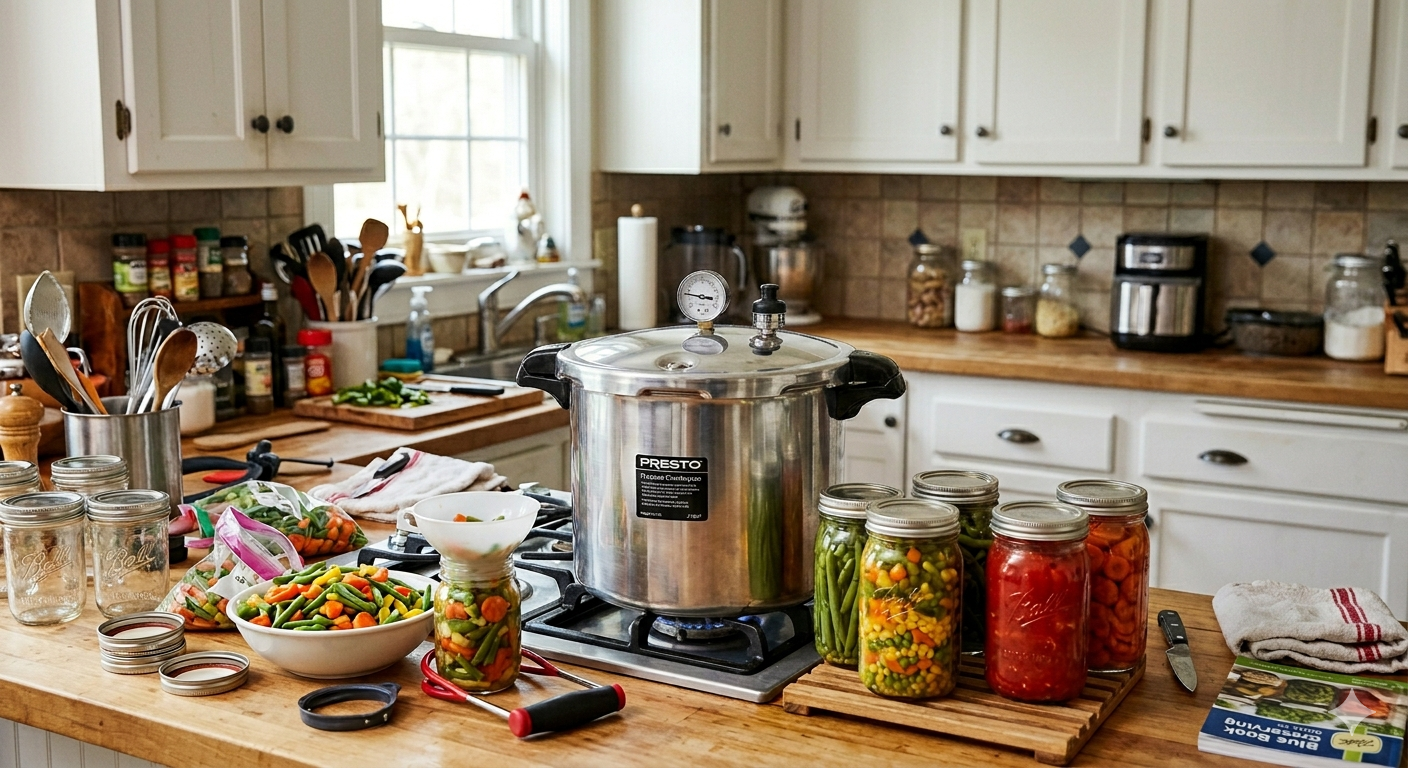
2026 The Science of Preservation: Hands On Home Foods Preservation Series
Class Details:
- Date: Date for each session are listed below
- Time: 5:30pm - 8:00pm
- Location: Alexander County Service Center - Demonstration Kitchen (151 West Main Ave, Taylorsville, NC 28636)
- Cost:$15 (with exception to the Meat Preservation sesson which will cost $25)
Sessions Dates:
- July 30th: The Science of Fermentation: Kraut & Kombucha - Deadline to register - COB: July 23rd - $15
- August 27th: The Science of Meat Preservation: Canning & Dehydrating Protein - Deadline to register - COB August 17th: $25
- September 9th: The Science of Sweet Spread: Jams & Jellies - Deadline to register: September 2nd: $15
Please complete the google form to sign up for one or more of the Safe Plates Home Food Preservation session. Registration of this form does not secure a space for the session until registration fee is paid. Registration can be made by mailing a check, payable to Alexander County, or pay in person with cash, check, or card at 151 West Main Ave, Taylorsville, NC 28681. Registration must be received to secure a spot. Deadline to register is set below to allow enough time to purchase education materials. Space is limited to the first 10 paid participants.
|
|
|
|
|
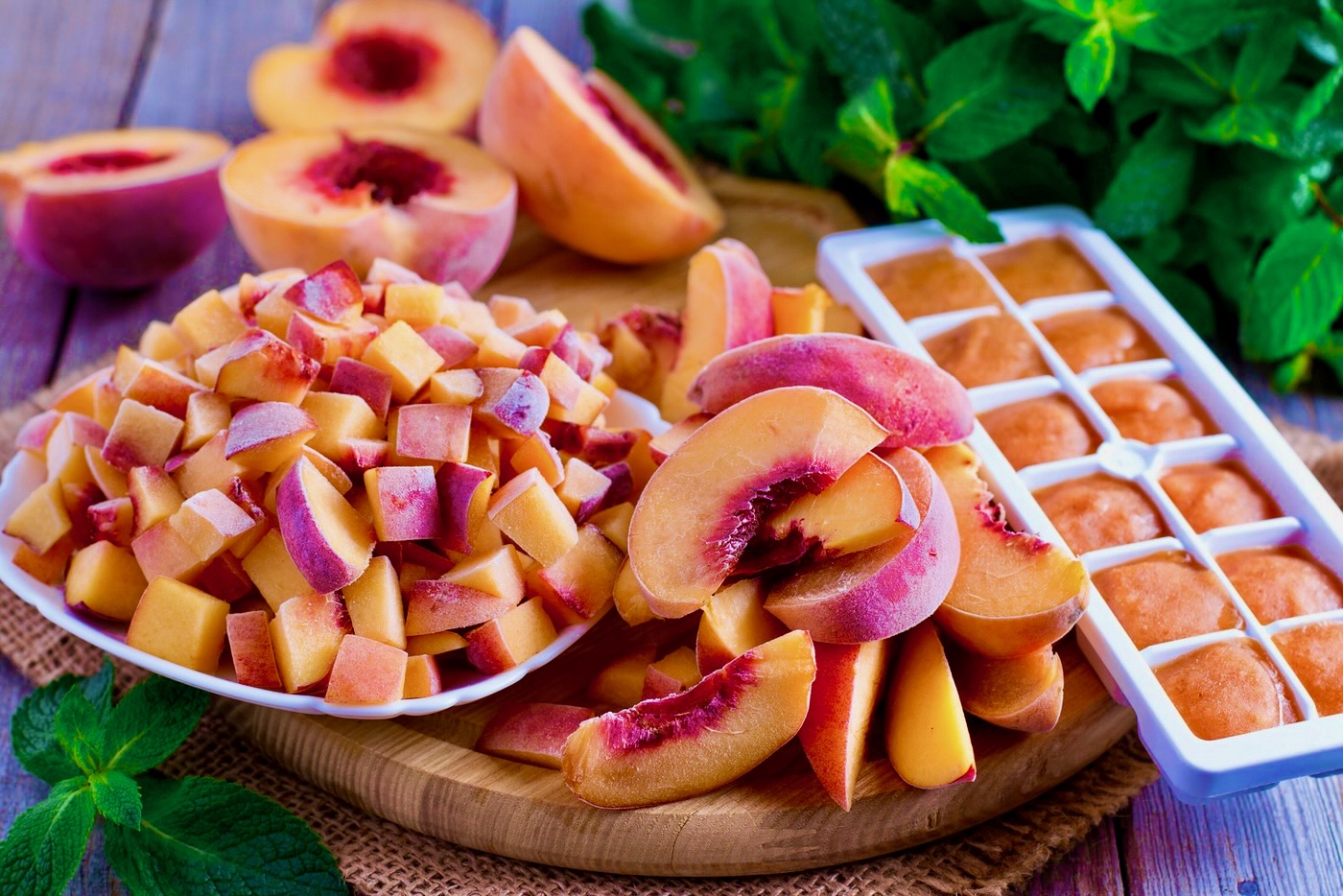
Master the Art of Home Freezing
Freezing is the easiest, fastest way to lock in the peak freshness of your harvest or grocery haul. But did you know that freezing doesn’t actually kill bacteria? It just hits the "pause" button. To keep your food safe and prevent it from turning into a mushy, freezer-burned mystery, follow these golden rules from the National Center for Home Food Preservation (NCHFP).
1. Keep It at Zero (or Lower)
For the best quality retention, your freezer needs to stay at 0°F (-18°C) or colder.
Pro-Tip: If you are freezing a massive batch of food all at once, turn your freezer down to -10°F about 24 hours in advance to speed up the process. Fast freezing creates smaller ice crystals, which means less damage to the food’s texture.
2. Don't Overload the System
Your freezer needs breathing room to do its job.
- Only add 2 to 3 pounds of unfrozen food per cubic foot of freezer space within a 24-hour window.
- Overloading slows down the freezing rate, which leads to massive ice crystals and mushy food. Space out your new packages so cold air can circulate, and stack them tightly only after they are completely frozen.
3. Vegetables Must Be Blanched
Fresh vegetables contain active enzymes that cause them to lose color, flavor, and nutrients—even while frozen.
- Blanching (briefly scalding the veggies in boiling water or steam, followed by an immediate ice bath).
- Note: Under-blanching actually stimulates enzyme activity and makes things worse, while microwave blanching isn't recommended due to uneven heating. Always look up the exact NCHFP blanching times for your specific veggie!
4. Fight the Air (Prevent Freezer Burn)
Freezer burn happens when moisture evaporates from the surface of your food. While freezer-burned food is completely safe to eat, it tastes dry and tough.
- Containers to USE: Rigid plastic containers, glass freezing jars, heavy-duty aluminum foil, and moisture-vapor-resistant freezer bags.
- Containers to AVOID: Yogurt tubs, cardboard milk cartons, or regular sandwich bags (they let air right through).
- Remember that water expands when frozen! Leave about 1/2 inch to 1.5 inches of "headspace" at the top of your containers so they don't burst.
5. Defrost Safely
Never, ever defrost food on the kitchen counter or in warm water. Bacteria wake right back up as the food warms. The NCHFP approves only three safe methods:
1. In the refrigerator (at 40°F or below).
2. Under running cold water (for short periods).
3. In the microwave (but only if you cook it immediately afterward).
|
|
|
|
|
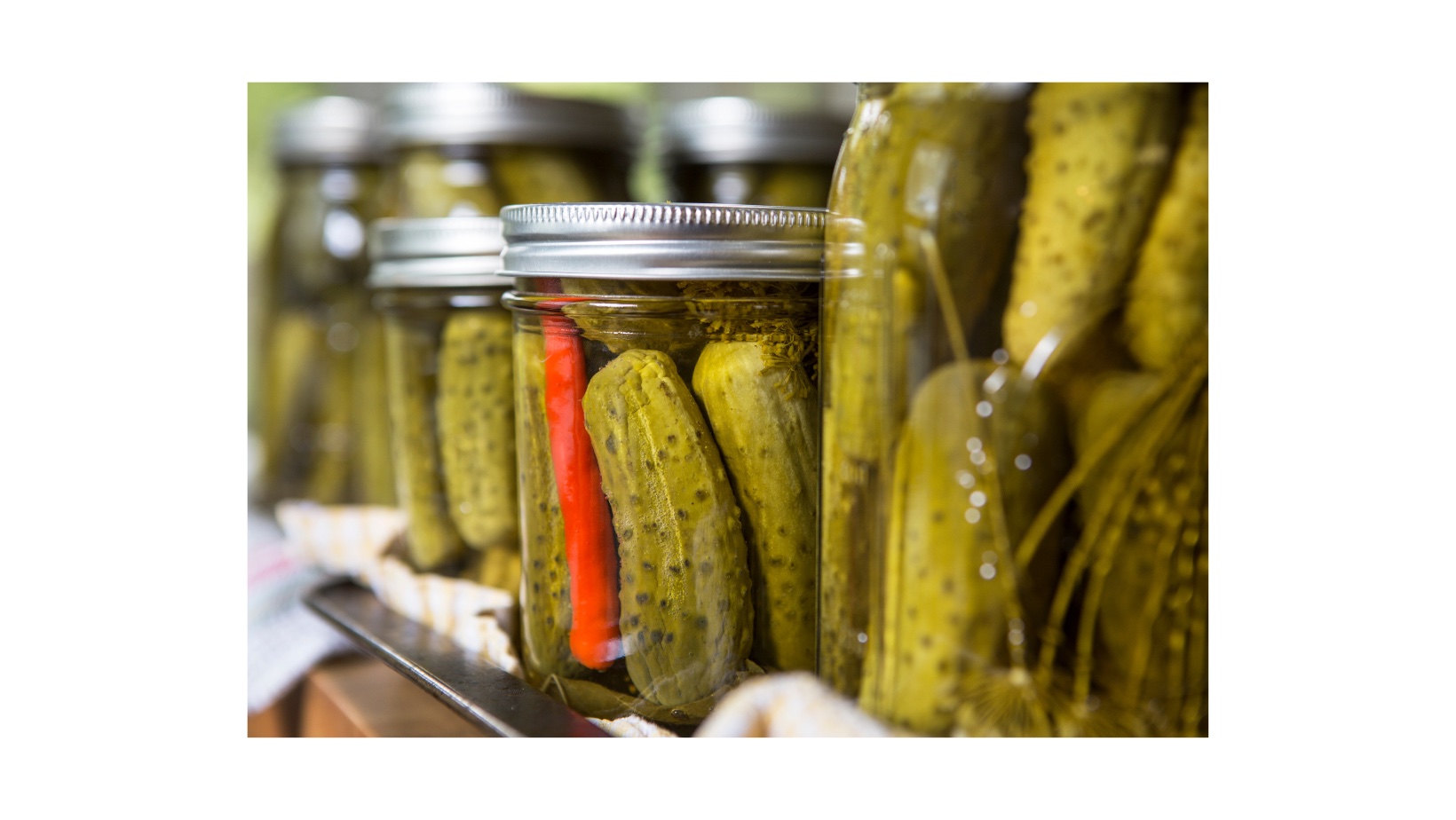
The Ultimate Guide to Cucumbers: Harvest, Freshness, and Preservation
Crisp, refreshing, and incredibly versatile, cucumbers are a staple of the summer garden and the kitchen. Whether you’re dealing with a backyard bumper crop or just trying to keep your grocery haul from turning into green slime, mastering the art of cucumber care is a game-changer. Here is everything you need to know to get the most out of your cucumbers:
1. How to Harvest Cucumbers
Timing is everything when it comes to harvesting. A cucumber left on the vine too long becomes yellow, woody, and filled with bitter seeds.
- Size Matters: Harvest slicing cucumbers when they are about 6 to 8 inches long. Pickling varieties should be harvested smaller, around 2 to 4 inches.
- Check the Texture: The skin should be firm and a uniform dark green (for most standard varieties). If it starts turning yellow, it’s overripe.
- Cut, Don't Pull: Never yank a cucumber off the vine; you risk damaging the plant. Use a sharp pair of shears or pruners to cut the stem about a quarter-inch above the fruit.
- Harvest Frequently: The more you pick, the more the plant will produce! Check your vines every day or two during peak season.
2. Tips for Maximum Freshness
Cucumbers are over 95% water, making them highly susceptible to dehydration, chill damage, and spoilage. Use these tips to keep them crunchy for up to two weeks:
- Cucumbers are surprisingly sensitive to cold. Storing them below 50°F (10°C) can cause "chilling injury," leading to soft spots and accelerated decay. Avoid the coldest parts of your fridge (like the very back or near the freezer vent). The crisper drawer is usually best.
- Keep Them Dry: Moisture is the enemy of freshness. Wash your cucumbers only right before you plan to eat them. If you buy them wrapped in plastic, keep them in it until use, as it helps retain their internal moisture.
- If storing loose cucumbers in a bag in the fridge, wrap them individually in paper towels to absorb any excess surface moisture.
- Cucumbers are highly sensitive to ethylene gas, a ripening agent produced by certain fruits. Storage Warning: Keep cucumbers away from bananas, tomatoes, melons, and avocados, or they will yellow and spoil rapidly.
3. Preservation Methods
If your garden is producing faster than you can eat, or you hit a massive sale at the farmer's market, it's time to preserve.
- Refrigerator Pickles ("Quick Pickles")
Best for: Slicing or pickling cucumbers
Shelf Life: 2–4 weeks (in fridge)
Slice cucumbers and pack into jars with dill, garlic, and spices. Pour a hot mixture of equal parts vinegar and water (with salt and sugar) over them. Refrigerate once cooled.
- Canned Pickles (Water Bath)
Best for: Pickling varieties (Kirby, Gherkins)
Shelf life: 1–2 years (pantry)
Follow a tested, safe canning recipe using a vinegar brine. Process the jars in a boiling water bath to shelf-stabilize them.
Best for: Smoothies, cold soups, or cocktails
Shelf life: 6 months (freezer)
Cucumbers don't freeze well whole or sliced, due to their water content. Instead, blend them into a puree or juice and freeze them in ice cube trays for a refreshing addition to drinks later.
Best for: Traditional sour dills
Shelf life: 4–6 months (cold storage)
Submerge whole or sliced cucumbers in a saltwater brine (no vinegar) with herbs. Let natural lacto-fermentation take place at room temperature for 1–3 weeks before moving to the fridge.
The Ultimate Quick-Pickle Brine Formula
Want to save a couple of cucumbers right now? Use this foolproof ratio for a fast refrigerator pickle:
Brine Ration = 1 cup vinegar + 1 Cup Water + 1Tbsp Salt + 1Tbsp Sugar
Bring it to a boil, slightly chill, pour it over your sliced cucumbers, refrigerate, and they’ll be ready to eat in just 24 hours!
|
|
|
|
|
New to Preservation?? Looking for Tested Recipes??
Whether you are freezing, drying or canning, it is always important to follow recipes that had been tested to ensure that it is safe to consume. Do not risk losing all your hard work due to spoilage. Known as the canning bible, So Easy to Preserve, 6th Edition, is a 375-page book with 185 tested recipes, along with step by step instructions and in depth infomration for both the new and experienced food preserver.
Pick up your copy today for $40.00-limited supply available.
For more information please contact Der Holcomb, Family and Consumer Extension Agent, by email: der_xiong@ncsu.edu or phone: 828-632-3125.
|
|
|
|
|
Green Thumb Gazette Newsletter
The July edition is now available. For more information on July and August garden tasks and what to be on the lookout for click the link below. This months newsletter also includes upcoming events along with several horticulture educational topics. If you find this newsletter helpful and you would like to receive it each month contact Cari Rosenbalm at cari_rosenbalm@ncsu.edu to be added to the mailing list.
|
|
|
|
|
Alexander 4-H Update
Alexander 4-H has been having lots of fun with summer opportunities. Please go to our facebook page to catch updates and see what we have been doing this summer.
Most of the 4-H Clubs take a summer break and regroup in August. We do have a couple that continues to meet, the 4-H Garden Club and Red Pony 4-H Club.
The next newsletter for Alexander 4-H will be released for August.
|
|
|
|
|
|
|
NC State University and N.C. A&T State University work in tandem, along with federal, state and local governments, to form a strategic partnership called N.C. Cooperative Extension.
|
|
|
|
|
|
|